Artificial Intelligence could aid humanity's effort to free oceans from plastic, research shows

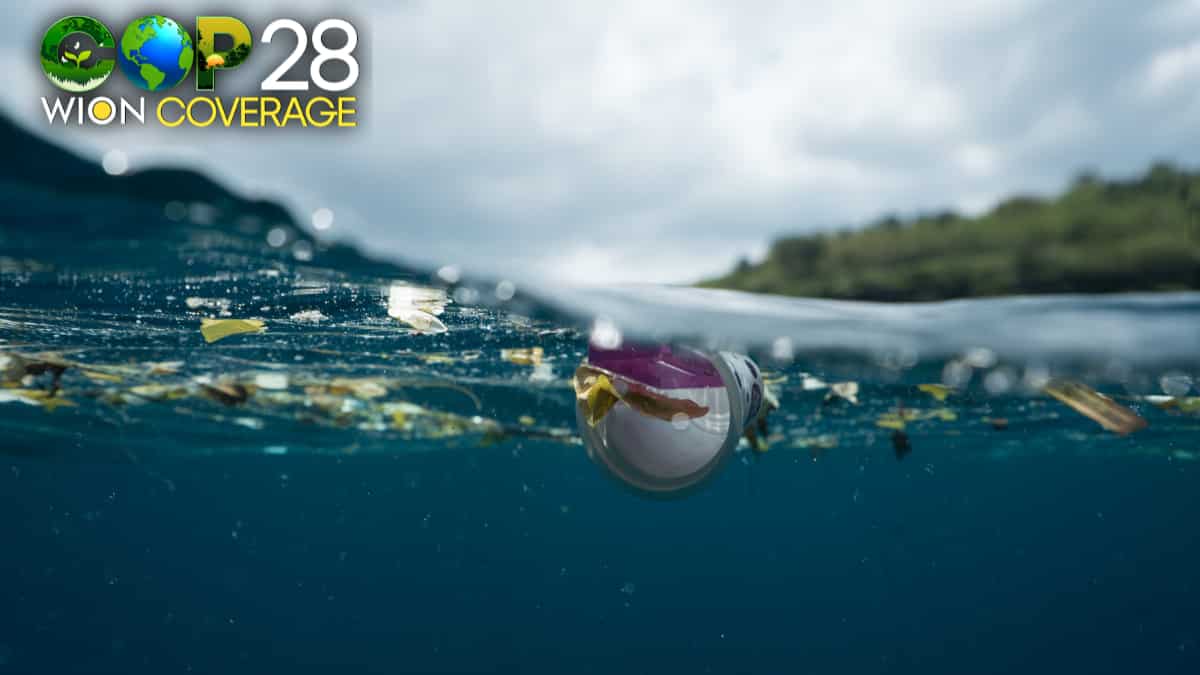
A representative image of plastic in the Sea/Pexels
A research team from The Netherlands has developed a new Artificial Intelligence model that can recognise floating plastics with much more accuracy than conventional satellite images. The AI modelis distinct because it can detect plastic's presence even when the sites are partly covered by clouds or the weather conditions are full of haze.
The study was done by researchers from The Netherlands' Wageningen University and published in iScience.
What does it mean?
The application of the research could help systematic removal of plastic litter from the oceans with ships.
The world produces around 350 million tonnes of plastic waste each year, according to a dataset by the Organization for Economic Co-operation and Development (OECD).
Also watch |Women suffer more from 'Climate Anxiety' than men, shows study
Recent studies suggest that between 1 and 2 million tonnes of plastic enter the oceans annually, which accumulates along with the aggregations of natural materials like driftwood and algae.
While the total accumulation of marine debris is freely available, the processing of such data needs to be analysed automatically through Artificial Intelligence models.
Marc Rußwurm, Assistant Professor at Wageningen University, said in an official statement, "These models learn from examples provided by oceanographers and remote sensing specialists, who visually identified several thousand instances of marine debris in satellite images on locations across the globe. In this way, they 'trained' the model to recognise plastic debris."
Rußwurm said, "The detector remains accurate even in more challenging conditions; for example, when cloud cover and atmospheric haze make it difficult for existing models to identify marine debris precisely."
What is the bottom-line?
The development reflects that deep artificial intelligence detection model can better predict marine debris objects than previous methods such as conventional satellites marking a significant move forward in humanity's bid to ensure clean oceans and sustain marine diversity.