
&imwidth=800&imheight=600&format=webp&quality=medium "Could Algeria be involved in another 'Disgrace of Gijon' at the 2026 FIFA World Cup?")
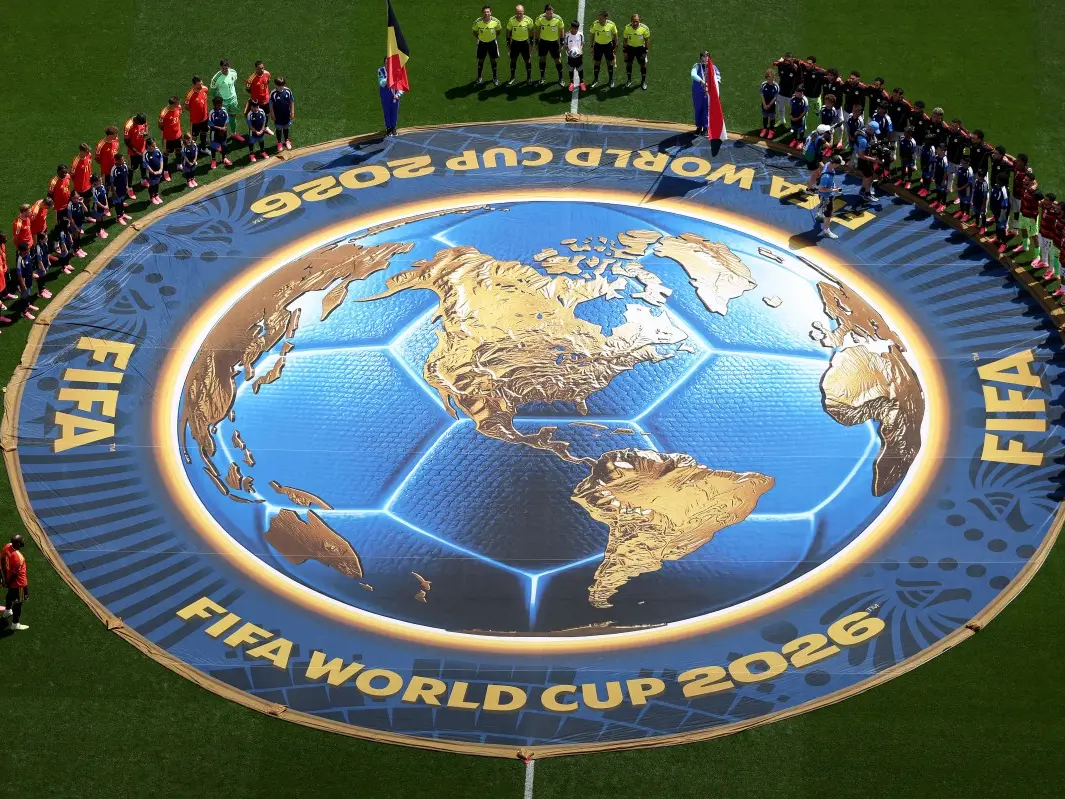
The 2026 World Cup has entered its decisive final round of group-stage matches, with both games in each of the tournament’s 12 groups now kicking off simultaneously. The reason FIFA introduced simultaneous kick-offs for final group matches dates back to the 1982 World Cup and the infamous “Disgrace of Gijon” involving West Germany and Austria. In that controversial encounter, Algeria had already completed their group campaign and were in position to qualify.
What is Disgrace of Gijon?
West Germany and Austria entered their match fully aware that a narrow German victory would allow both teams to progress while eliminating Algeria on goal difference. West Germany scored in the 10th minute, and with the result sufficient for both sides, the match effectively lost its competitive edge. The two teams appeared content with the score line and largely stopped pushing for additional goals, sparking outrage among Algerian supporters and neutrals alike.

In response, FIFA changed the World Cup format ahead of the 1986 tournament, ensuring that final group-stage matches would be played simultaneously. The move was designed to reduce the possibility of teams agreeing, either explicitly or implicitly, on a result that would benefit both sides.
)
Tunisia vs Netherlands Photograph: (WION)
Will history repeat itself for Algeria?
Ironically, the format of the 2026 World Cup may have created a different kind of scenario. The introduction of head-to-head records as the primary tiebreaker, replacing goal difference, gives some teams a clearer picture of what is required to reach the knockout stages. That situation now appears to favor Algeria and Austria in Group J.
With Argentina already guaranteed top spot and four points expected to be enough for most third-placed teams to advance, both Algeria and Austria know that a draw in Kansas City would likely send them through to the next round. A similar scenario exists in Group D, where Australia and Paraguay could also benefit from sharing the points.
However, there is an additional twist. Finishing second in Group J would likely set up a difficult last-32 clash against Spain, one of the tournament favourites. The team ending third could instead face Belgium or Egypt, a potentially more favorable route through the knockout stages. As a result, the final group-stage showdown between Algeria and Austria carries an unusual dynamic, raising questions about whether FIFA’s latest format adjustments have unintentionally created new strategic opportunities decades after the “Disgrace of Gijon.”

