Quad summit: Leaders condemn North Korea for its 'destabilising ballistic missile launches'

Quad Summit Hiroshima
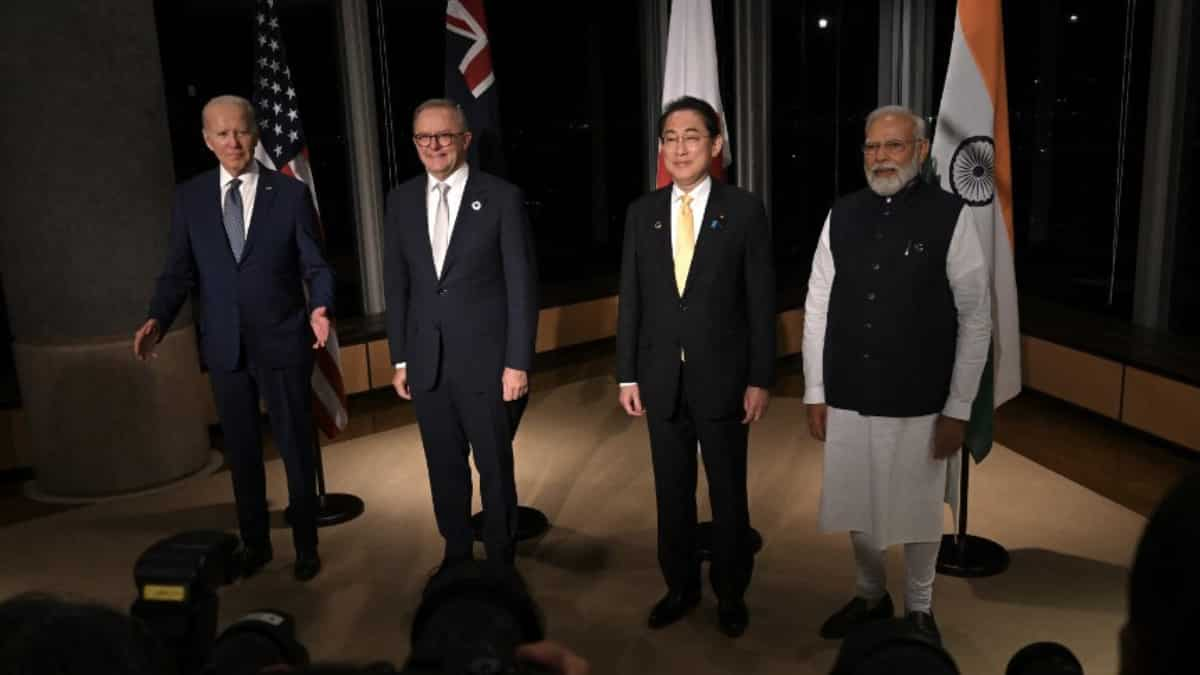
On Saturday (May 20th) at the sidelines of the G7 summit in Hiroshima, the leaders of the United States, Japan, India, and Australia, collectively known as the Quad, held a meeting. The meeting was hosted by Australian Prime Minister Anthony Albanese, and this was the third time that the leaders met for an in-person Quad summit.
In a joint statement released after the summit, the bloc leaders condemned "North Korea's destabilising ballistic missile launches and pursuit of nuclear weapons in violation of multiple UN Security Council resolutions (UNSCRs)." They also expressed their concern over the situation in Myanmar and condemned "terrorism and violent extremism in all its forms and manifestations, including cross-border terrorism".
As per Reuters, during the opening remarks at the meeting, the four leaders — Prime Minister Anthony Albanese of Australia, Prime Minister Narendra Modi of India, Prime Minister Kishida Fumio of Japan, and President Joe Biden of the United States reiterated their commitment to the Indo-Pacific region.

President Biden said that "a great deal of the future of our world is going to be written here in the Indo-Pacific."
In their joint statement released after the meeting, the four leaders reaffirmed their "shared vision," seeking "a region where no country dominates and no country is dominated – one where all countries are free from coercion, and can exercise their agency to determine their futures. Our four countries are united by this shared vision."
)
Nigeria: Protesters take to the streets, police fire shots
)
US-Iran war: Tehran draws red lines — seven demands before any peace talks
)
Russia-Europe tensions: Polish PM warns Russian attacks could test NATO's unity
&im=FitAndFill=(700,400))
‘Not the US or China’: These are the countries leading the world in arable land
)
EXCLUSIVE | Singer Hanita Bhambri on her Toxic debut, working with Vishal Mishra and more
)
Sikh bus driver assaulted, bus stolen and rammed into cars in England; video surfaces
)
Mark Carney mimics Trump in hilarious moment over C$70 billion clean-energy investment; room erupts in laughter
&im=FitAndFill=(700,400))
Before Extraordinary Minami Minami, these popular K-dramas got Japanese versions
)
'Were you here to sell chickpeas?': Wasim Akram criticises Babar Azam's captaincy
)
Aravana prasadam shortage at Sabarimala temple in Kerala triggers protests, TDB questioned
)
‘End of my career...’: NSA Doval recalls tense Sikkim mission when China captured Indian intelligence team
)
Report: Iran rebuilding Taleghan 2, nuclear site tied to past weapons research, hit twice by Israel
)
Trump defends AI amid growing alarm, announces new 'AI force' and promises an 'AI czar'
)
Iran sets 7 conditions to end war with US: What are Tehran’s demands?
)
Trump announces ‘AI Force’ as debate grows over AI risks and regulation
)
China may have gained access to US's classified F-35 jets; parts meant for repairs diverted to Hong Kong, sparking Pentagon inquiry
)
Man breaks open wall hiding hundreds of books since 15 years
)
Gaza under attack: Health chief's son killed in IDF strikes
)
S Jaishankar, former Army chief among high-profile names issued Delhi SIR notices
)
Arvind Kejriwal, family members, Delhi CM Rekha Gupta get SIR notices
)
AI actress Tilly Norwood glitches mid-interview, switches from English to Chinese | Watch
)
Saudi vs Houthis: Houthis claim missiles & drones used in attack on key Saudi sites
)
Ed Sheeran addresses Macklemore's removal, Gaza conflict during Philadelphia concert: 'I cannot hide how I feel'
)
‘Will go to any extent’: Pakistan vows to defend Saudi Arabia amid Houthi attacks
66 years of the Indus Waters Treaty: How India and Pakistan settled a bitter river dispute
)
The Verdict | When precision fails: US commits war crime in Minab school strike, UN finds
)
9 women found dead near Johannesburg: South Africans rally, demand 'enough' to femicide
)
Kampala-Ankara rift deepens: Uganda suspends military ties, seeks Fred Lumbuye's extradition
)
Several petrol pumps, other businesses to refuse UPI payments above Rs 2,000 from Oct 16: Is it legal?
)
US-Iran war: Tehran sets seven conditions to re-engage in talks with US
)
Reacher star Alan Ritchson opens up about alleged blackmail, suicide attempt during difficult period
)
Africa is splitting, and a lot sooner than estimated, giving way to a new ocean
)
West Indies Squad for India Series: Hetmyer included for T20Is, Holder rested
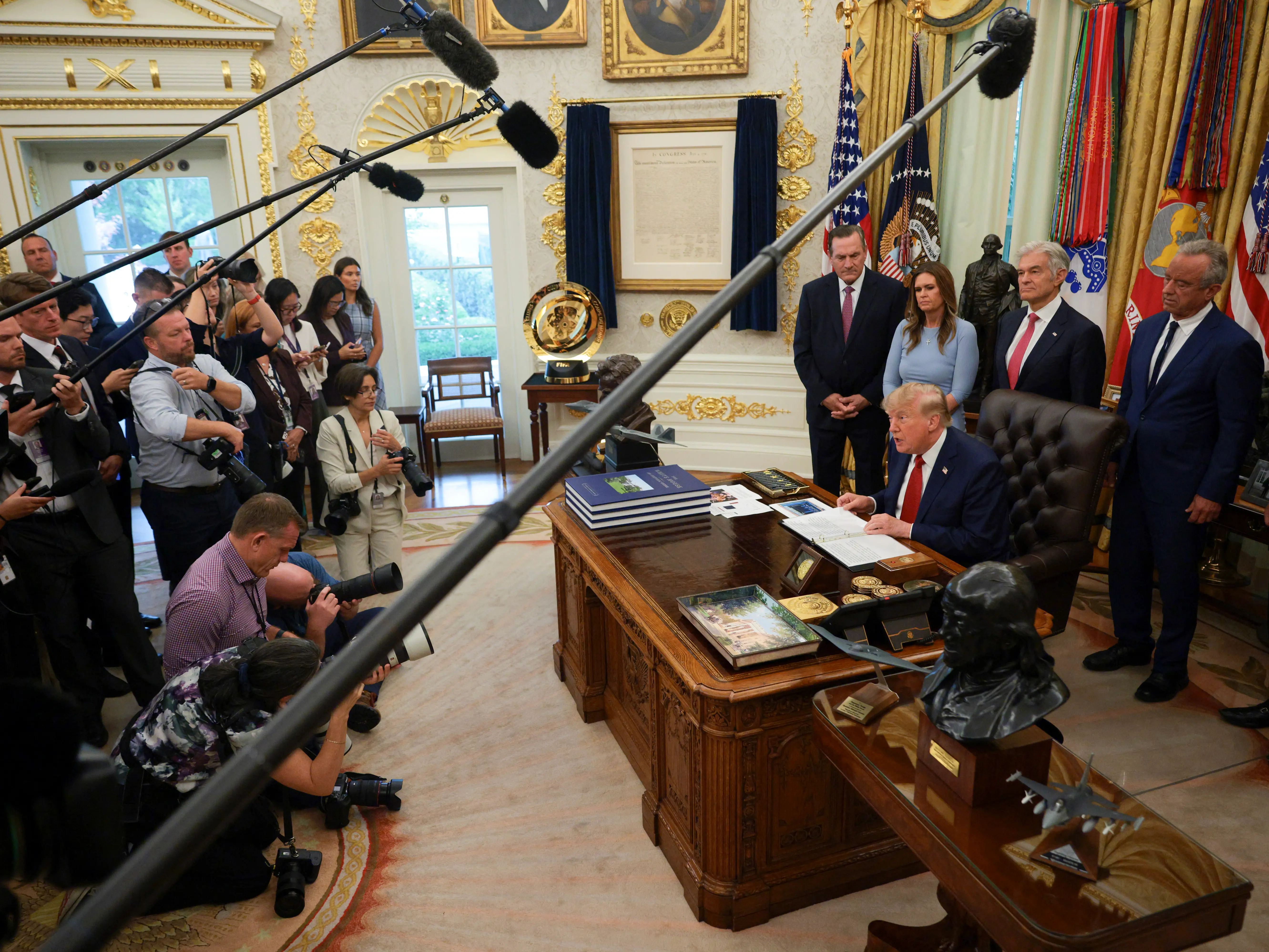)
Trump bans CNN, MS NOW and Politico from White House over ‘FAKE NEWS’
&im=FitAndFill=(700,400))
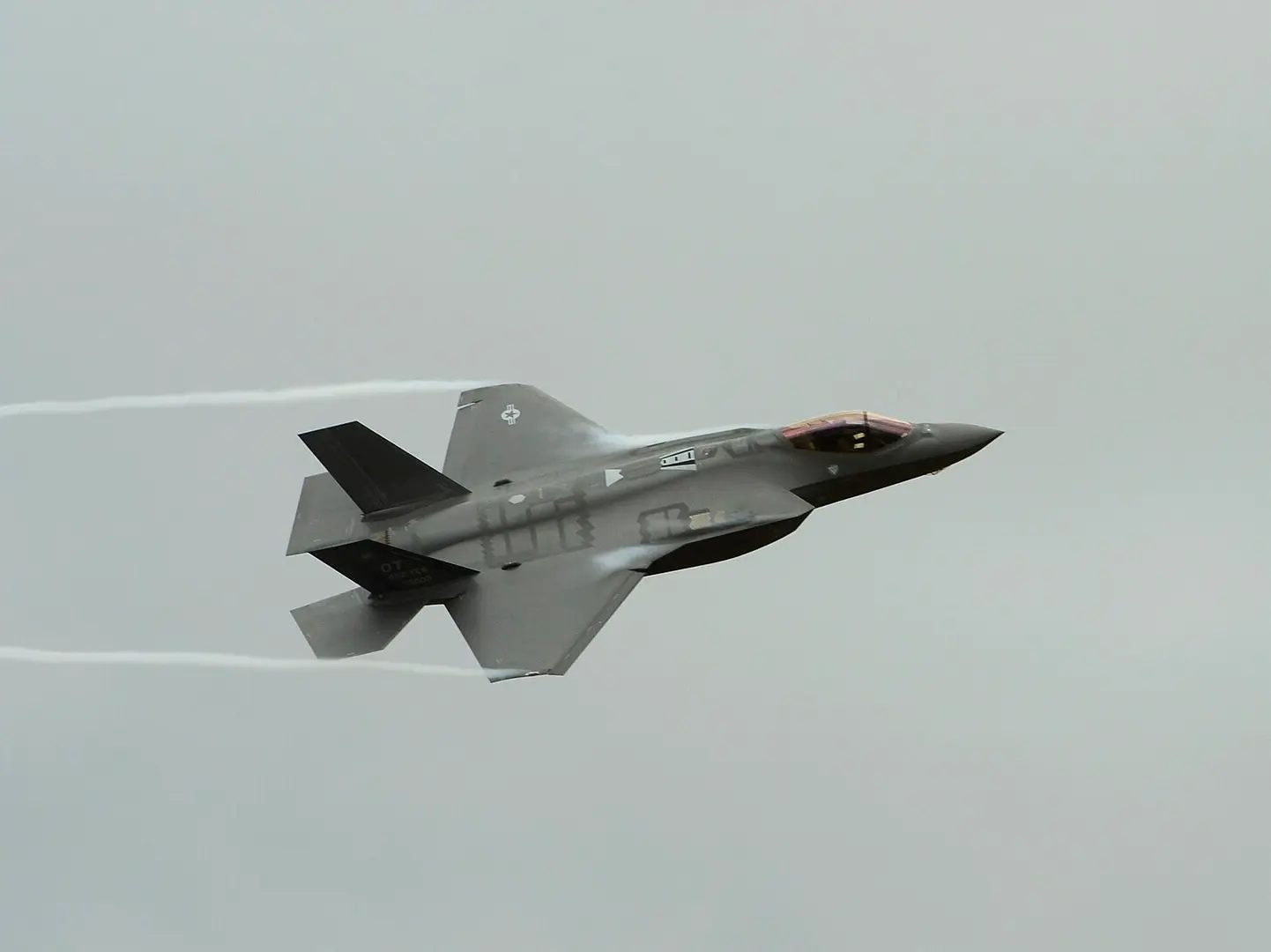
How many F-35s does Britain, Japan and Israel have?
)
Harry Brook targets long reign at top of T20I rankings after Sri Lanka sweep
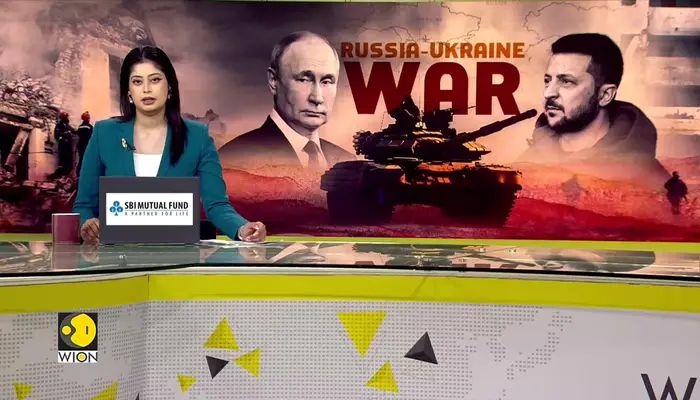)
Russia's deadly Ukraine strikes kill 2 in Sumy, hit Dnipro mall
)
Russia holds first parliamentary elections since the beginning of the Ukraine war
&im=FitAndFill=(700,400))
Meet top 5 Indian batters with fastest T20I centuries
)
Raphinha hat-trick powers Barcelona to 3-1 win over Sevilla in La Liga
)
The leaders said they support ASEAN centrality and unity, and that they are committed to working with Pacific island countries "to achieve shared aspirations and address shared challenges" and that they remain committed to strengthening cooperation in the Indian Ocean region.
"We welcome the work of IORA as the Indian Ocean region’s premier forum for addressing the region’s challenges. We recognise India’s leadership in finalising the IORA Outlook on the Indo-Pacific (IOIP) and express our support for its implementation. We thank Bangladesh for its term as IORA Chair and commit to working with Sri Lanka and India as they assume the roles of IORA Chair and Vice Chair respectively this year," it said.
They discussed various areas of collaboration, including climate change, health security, infrastructure development, digital connectivity, and cybersecurity.
Additionally, the statement announces the launch of multiple new initiatives in the Indo-Pacific region.
Quad announced its 'Statement of Principles on Clean Energy Supply Chains in the Indo-Pacific', which will provide a basis for the bloc's engagement in the region on clean energy supply chain development.
As per a statement, "the principles are designed to promote diverse, secure, transparent and resilient clean energy supply chains and support a sustainable, and inclusive clean energy transition."
They also announced a Clean Energy Supply Chains initiative, which is designed to accelerate the Indo-Pacific’s clean energy transition.
Recognising the Quad nations' work in delivering millions of COVID-19 vaccine doses globally, the leaders announced that their Quad Vaccine Partnership will now evolve into a broader Quad Health Security Partnership. Through this, they "plan to implement a suite of activities to build the region’s capacity to detect and respond rapidly to outbreaks of diseases with epidemic and pandemic potential."
To boost infrastructure expertise across the Indo-Pacific they announced the 'Quad Infrastructure Fellowships Program'.
The leaders also highlighted the importance of upholding international law and addressing maritime challenges. They expressed support for the United Nations and its reform agenda and emphasised the need to achieve the Sustainable Development Goals.
Indian Prime Minister Narendra Modi, who will also host the G20 summit later this year, informed the leaders of the other three Quad countries that India would host the next Quad summit in the coming year. He also emphasised the importance of the Quad as a platform for promoting peace and stability in the Indo-Pacific region.

