Pakistan shopkeepers stage nationwide strike in protest against soaring inflation

Pak inflation
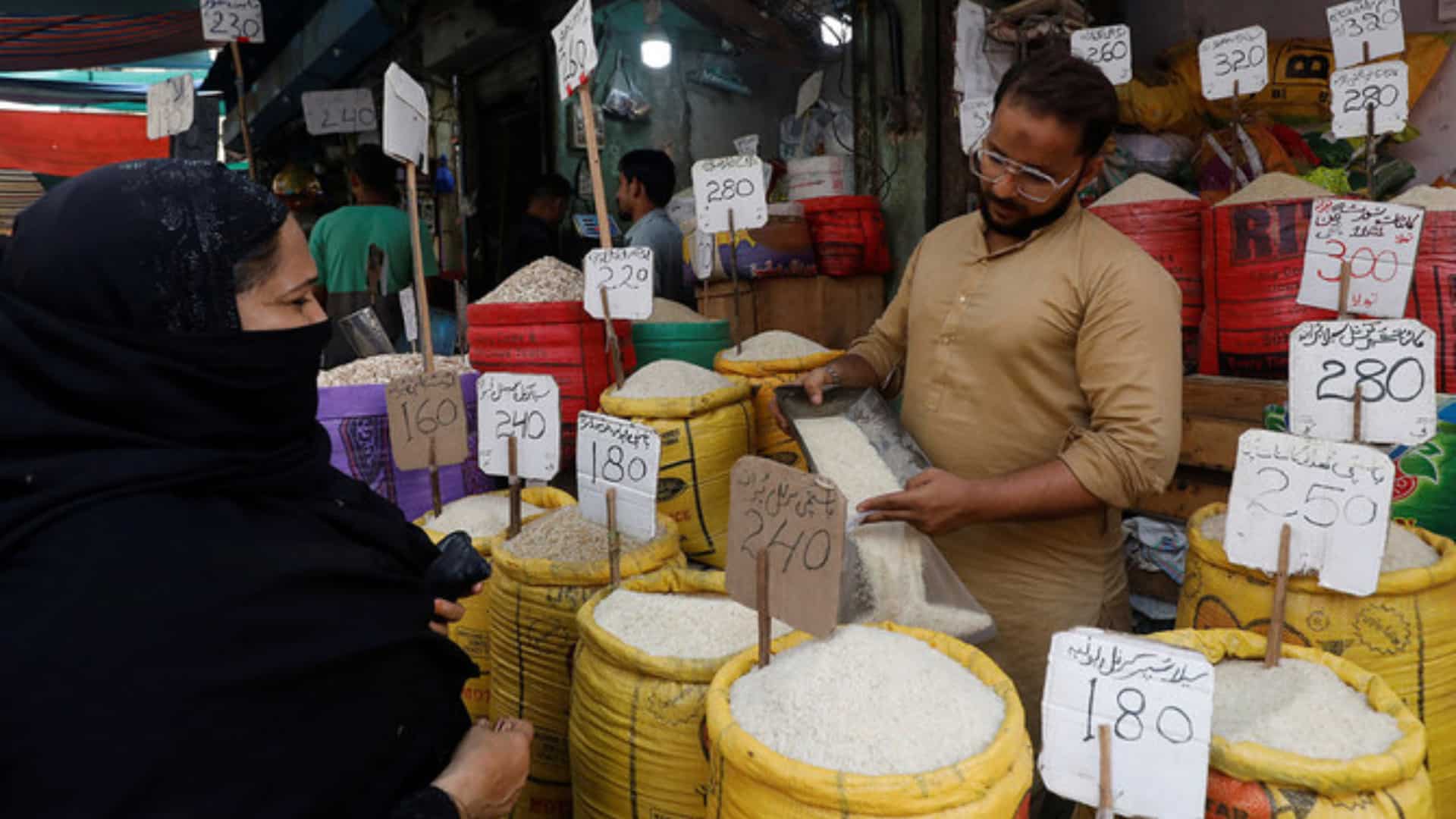
Thousands of shopkeepers across Pakistan closed their businesses on Saturday,September 2, 2023 in a nationwide strike, expressing their discontent with surging energy and fuel costs.This strike shed light onthe economic challenges Pakistan faces due to mismanagement, an IMF agreement, and the resulting subsidy cuts, which have led to soaring petrol and electricity prices in the South Asian nation.
Pakistan's economy has suffered from decades of mismanagement and instability, culminating in a recent agreement with the International Monetary Fund (IMF) to prevent a default.
However, in exchange for IMF support, Pakistan had to reduce popular subsidies aimed at offsetting living costs.
Consequently, prices for petrol and electricity have sharply risen, deepening the financial struggles of ordinary citizens.
Also watch |India vs Pak: India's XI for the clash against Pakistan
Nationwide shopkeeper protest
The strike witnessed widespread closures of markets in major cities like Lahore, Karachi, and Peshawar, with banners and placards condemning the "unreasonable surge in electricity bills and taxes."
Shopkeepers, including Lahore's Township Traders Union president Ajmal Hashmi, emphasised the urgent need for relief measures to alleviate the financial burden on the public, as reported by AFP.
Government's balancing act
Shopkeepers hold significant sway in Pakistan, and with national elections looming, the government faces the delicate task of keeping their support while adhering to IMF-imposed austerity measures. Pakistan's historically low tax revenues, particularly from traders, have contributed to its colossal foreign debt, making it imperative to break the cycle of relying on IMF bailouts.
Escalating costs and public angst
The government's decision to raise petrol prices beyond 300 rupees ($0.98)per litrefor the first time in Pakistan's history, along with an all-time low exchange rate against the dollar, has exacerbated economic challenges.
August's year-on-year inflation at 27.4 per cent and an eight per cent hike in motor fuel bills from July have further strained public finances, causing a growing divide between the government and the general populace.
As Pakistan awaits the announcement of an election date, a caretaker government has been in control since the dissolution of parliament.
The interim leadership and the terms of the IMF agreement were established during former Prime Minister Shehbaz Sharif's tenure, following the ousting of Imran Khan in 2022. Khan, a prominent political figure, remains incarcerated, facing legal challenges aimed at barring his participation in the upcoming elections.
(With inputs from agencies)
WATCH WION LIVE HERE: