Pakistan SC judge, tipped to be next chief justice, resigns. Was part of bench that disqualified Nawaz Sharif

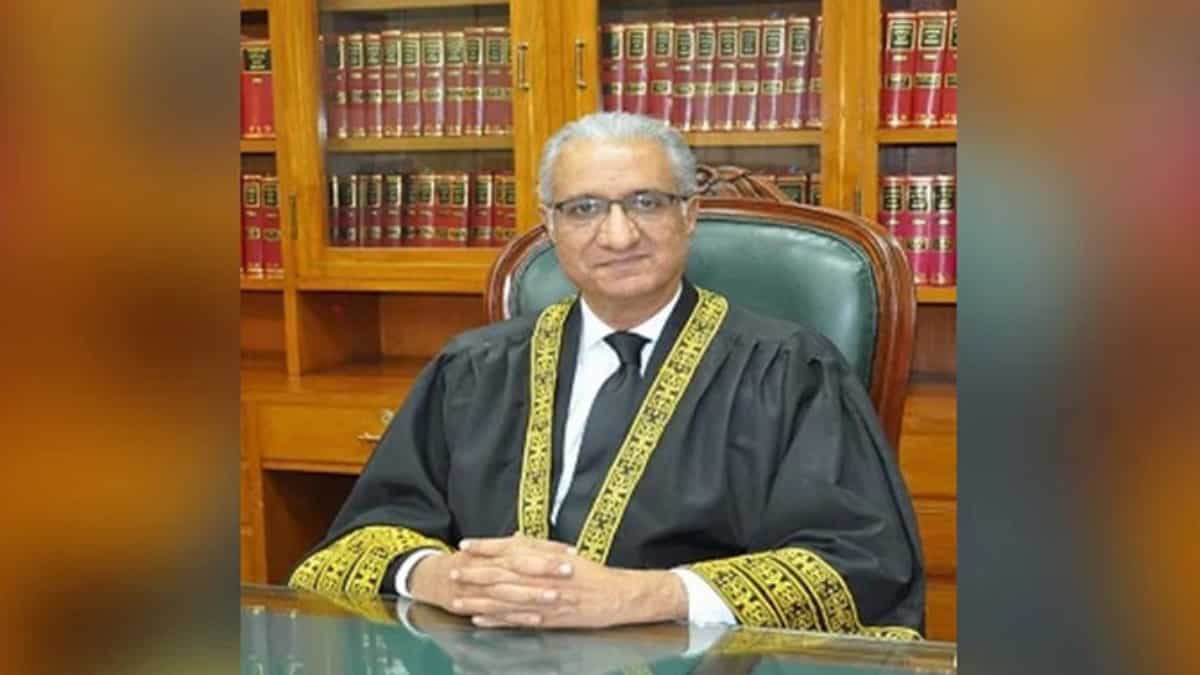
File photo of Justice Ijazul Ahsan of Supreme Court, who has now resigned.
Justice Ijazul Ahsan of the Pakistan Supreme Court, who was slated to be the country's next chief justice, resigned on Thursday (Jan 11). According to a report by the Indian news agency PTI, Justice Ahsan wrote in his resignation letter to President Arif Alvi that he no longer wished to continue.
He was the second senior-most judge of the apex court.
His resignation came a day after another top court judge Mazahar Ali Akbar Naqvi stepped down, PTI reported.
Ahsan had earlier served as a judge of the Lahore High Court, and later the Chief Justice of the high court.
Ahsan part of bench that disqualified Nawaz Sharif
Ahsan was a part of the five-member Supreme Judicial Council (SJC) but refused to join other members of the council on November 22 last year in the issuance of a fresh show-cause notice to judge Mazahar Ali Akbar Naqvi.
Naqvi was facing allegations of misconduct and was being probed by the council.
Also Watch |Justice Ahsan quits after Justice Mazahar Ali Naqvi's resignation
Ahsan was also part of the five-member bench that disqualified former prime minister Nawaz Sharif in the Panamagate case in 2017.
He was appointed to monitor and supervise the implementation of the case verdict which resulted in the conviction of Sharif in two corruption cases, and his eventual exile.
'A sad day for Supreme Court'
Legal experts in Pakistan reacted to Ahsan's resignation from the Supreme Court. Speaking to Dawn, lawyer Rida Hosain said that Ahsan's decision to step down was a sad day for the apex court.
“The decision was historic, brave, and a victory for fundamental rights,” Hosain said adding Ahsan was part of the bench that ordered provincial polls to be held on time. He was also part of the bench that declared military trials of civilians as “unconstitutional.”
Lawyer Abdul Moiz Jaferii told the publication that Naqvi's resignation was expected but Ahsan's was not.
“The simplest explanation is that Justice Ahsan couldn’t handle the heat. There was something he was afraid would come up, which he had until now been able to manage because he had someone more senior than himself to hide behind,” Jaferii said, adding it was sad that the outgoing judge was hounded by the same set of forces he helped to hunt all these years.
(With inputs from agencies)