Meet Ali Rameez, the Maldivian popstar who now 'preaches' radical Salafi Islam

Maldives
He used to be the heartthrob of the Maldivian youth, but today he chants only religious ayats
If you are old enough to have spenta couple of weeks in one of themarvellousMaldivian resorts in the 90's, eatingtropical fruits and grilled lobsters, you might have had the chance to meet AliRameez. You, in your beach shirt, might have even danced to the tune of the cover numbers he used to sing.
This is what AliRameezdid to earn a living in those days.He sang at the island nation'snumerous resorts.
He then became famous, a truepop-star and "the pin-up boy of all Maldivianerotic dreams", as aMalidivanfriend puts it. Hissongs nourished the romantic fairytale like dreams of young Maldivians. Girls would swoon over him.
Have a look at the video below to get a better idea.
This was AliRameez. I use "was"because now things have changed. His voice does not render any romantic songs any more. Instead, he has embraced the strict Salafi version of Islam, becoming one of its messengers in theMaldives.
It is nearly impossible not to draw aparallelwith Cat Stevens, the British-born rock singer who played his last concert in 1979 before changing his name toYusuf Islam and embracing radical Islam. Rameez is the MaldivianCat Stevens.
AliRameezdoes not sing American and British chartbustersanymore.He chants only religious ayats. He is still much appreciated though; His Facebook profile has more than 70,000 followers, a significant number in a country of350,000. Heis also pretty active on Twitter where he has more than 9,000 followers and tweets regularly.
One singular example of his online activity is the post below, a curious way to explain why a woman must wear a Hijab.
 A post published by Ali Rameez on his timeline. (Facebook)
AzraNaseem, radicalisationexpert and postdoctoral research fellow at Dublin City University, thinks AliRameez isa perfect example ofhow the Salafist movement inthe Maldives is persuading musicians to subscribe to their ideology. The Maldivian scholar'sreport on "OnlineRadicalisationof Religious Beliefs"says:"Rameezcarried his celebrity status into his new persona with tremendous success, and can be 'credited' with making the Salafist call 'fashionable' among thousands of young men and women."
Here is a sample of the kind of music he plays nowadays.
Here's another one.
The change is pretty evident.
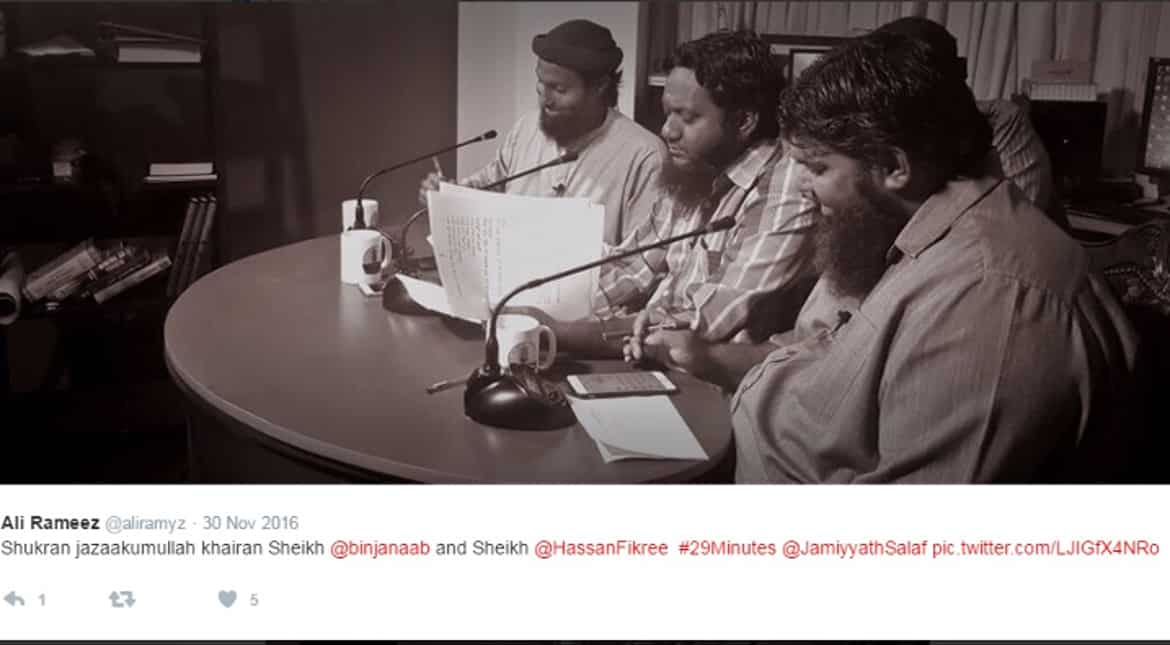
AliRameezis more than a cultural phenomenon, he is anactualvoice of the increasing Saudi-inspiredSalafi influence in the island nation. He takes part inreligious events, discusseshow to lead your life and hosts web shows along with members of the NGO, JamiyyathSalaf, one of the mostrecognisedMaldivian Salafi groupson Facebook. He sings mainly in Dhivehi, to reach the widest audience possible.
There is nothing wrong in playing devotional musicnor in embracing areligious path in lifebut the significance of AliRameez'schoice transcends the realm of the personal.The transition of a mass pop idol into astrict Salafi messengeris representative of what ishappening inthe Maldives.
On radicalisation in the Maldives, read more:
Rameez exemplifiesa moregeneral process ofradicalisationwhich ischanging the traditionally tolerant form of Islam practised in the archipelago. This is nota natural change;It is directlyfuelled and supported by Saudi Arabia.This impact on the youthcan be gauged by the fact that quitea fewof them havejoined Jabat al-Nusra ranks in the Syrian civil war.
(WION)