Is the US exchanging an Al Qaeda terrorist for the Pakistani doctor who helped them catch Osama?

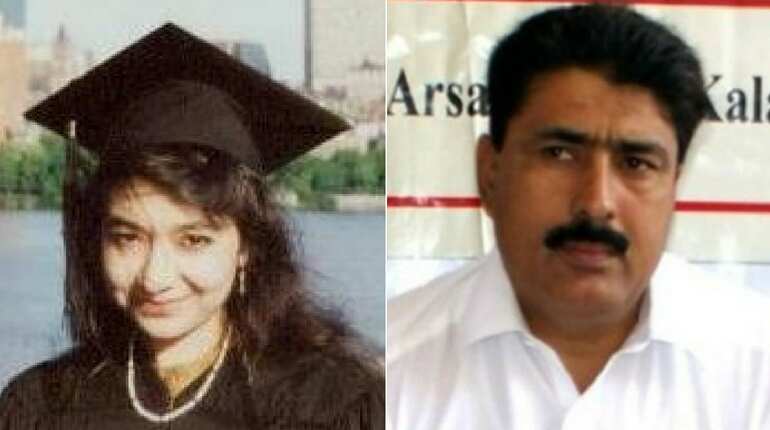
Aafia Siddiqui, Dr Shakil Afridi
Pakistan sentenced Dr Shakil Afridi to 30 years in prison. Then, last week, his sentence was commuted
Is Dr Shakil Afridi the man who actually helped the Americans identify Osama bin Laden or was he the fallguy for somebody else? Is Aafia Siddiqui an Al Qaeda terrorist or the victim of something she never understood?
These questions have come to the fore in Pakistan amid reports that both could be freed — Afridi from his Pakistani prison and Siddiqui from her 86-year prison sentence in the US.
Last week, Dr Shakil Afridi's 30-year prison sentence was commuted by the Pakistani government.
Afridi had been convicted of helping the Americans find bin Laden through a fake polio-eradication campaign in Abbotabad. According to investigative journalist Seymour Hersh, Afridi played no such role but was made the scapegoat to ensure the ex-ISI officer who spilled the beans on bin Laden's whereabouts to the Americans got out of the country.
The Americans appear to want to make amends and get Afridi out of prison. Reports have surfaced that he could be exchanged for Aafia Siddiqui, a Pakistani convicted of Al Qaeda links and jailed for 86 years in a Texas prison. Pakistan has denied the report but there's no doubt Aafia's release would be very popular in Pakistan. By all accounts, she is a mysterious figure.
Aafia Siddiqui is an MIT-trained neuroscientist who was influenced by radical Islamist ideas.
In 2002, she is alleged to have helped Al Qaeda operative Majid enter the US. in 2003, she married the nephew of 9/11 mastermind Khalid Sheikh Mohammad. That same year she vanished with her children.
Her family believes she was kidnapped — by whom is left unsaid — flown to Kabul and held in Bagram prison where she was tortured. The Pakistanis have denied any role in her rendition to Afghanistan. So have the Americans.
Her ex-husband says she was on the run because of her Islamist connections, moving between Quetta, Iran and Karachi. Two of her children live with her sister in Karachi but have maintained silence.
International jurists say Aafia's Al Qaeda links do not justify her 86-year sentence. Others say Pakistani intelligence may not want her to return as she could reveal details of their involvement in the US programme of illegal renditions.
Is Aafia a cold-blooded terrorist or somebody who was drawn into the jihadi web without really understanding what she was getting into? The truth may never be known.