

&imwidth=800&imheight=600&format=webp&quality=medium "Is there a place between life and death? Scientists explore the ‘third state’ of life")
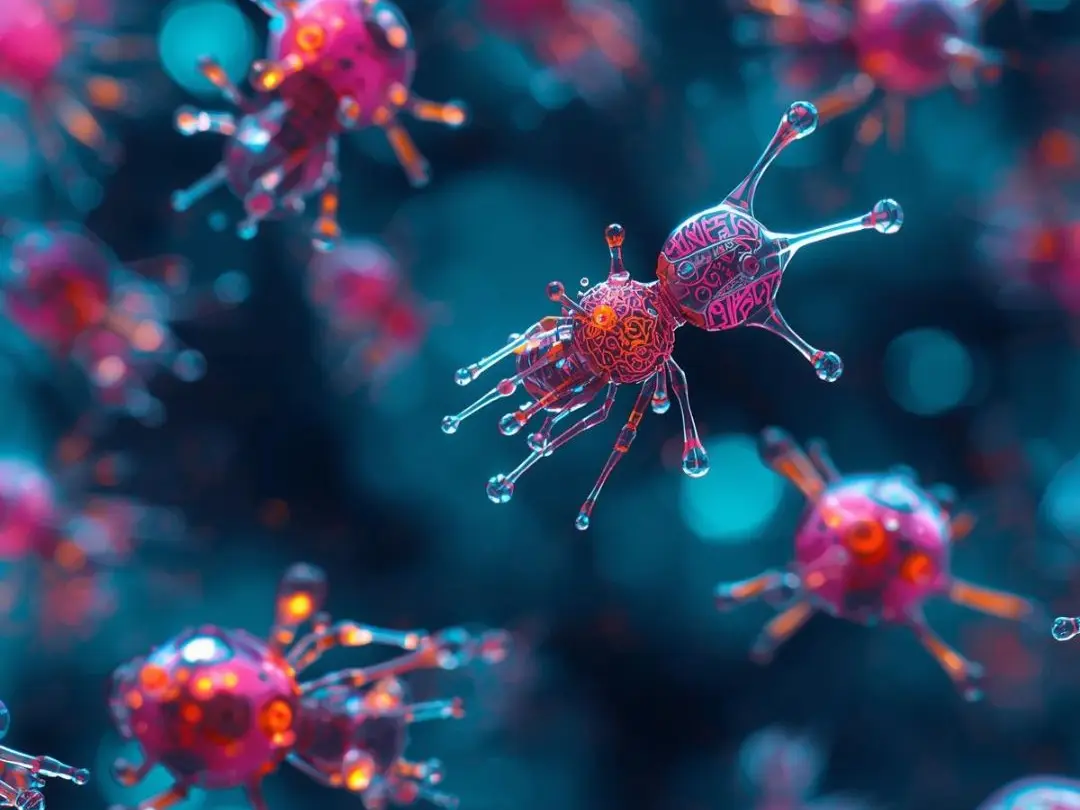
Some studies have reportedly shown that for some cells, death is not the end. Xenobots, a lab-designed multicellular organism originally tiny cells found in a frog's embryo, exhibit properties that are controversial and sometimes extraordinary. They are not robots; they are biological machines that were assembled by scientists with the help of certain computer-based tools.
These xenobots perform more roles beyond their functions. For example the cells designed by Peter Noble, PhD, a microbiologist from the University of Alabama at Birmingham, along with Alex Pozhitkov, PhD, a bioinformatics researcher at the City of Hope cancer center were from skin and heart, but they could perform tasks like movement using hairlike cilia, collect or push microscopic particles, almost like tiny janitors, self-organise into clusters or repair themselves if damaged, perform collective behaviors. This was baffling because these cells did not behave the same way within the frog. These cells were natural cells, but were given a new job in a new structure.
The scientists concluded that cells can reorganise into a new form and new structure in a new environment. It implies a state of biological autonomy that exists outside, irrespective of the organism as a whole. The authors argue that xenobots form a kind of “third state” of life, wherein cells can reorganise after the death of an organism to form something new. These forms likely wouldn’t materialise in nature, but xenobots show that cells have a surprising ability to adapt to changes in their environment. Experiments with human cells, or “anthrobots,” exhibit this behaviour, too.
Our life and our death were supposed to be the two states. But the third state of the xenbots autonomy at the cellular level does not fit both life and death, but lies somewhere in the grey zones. “The third state suggests that (an organism’s) death may play a significant role in how life transforms over time,” wrote the authors in the conversation.

