

&imwidth=800&imheight=600&format=webp&quality=medium "90% El Niño certainty: Why trees are India’s best defence against agrarian crisis")
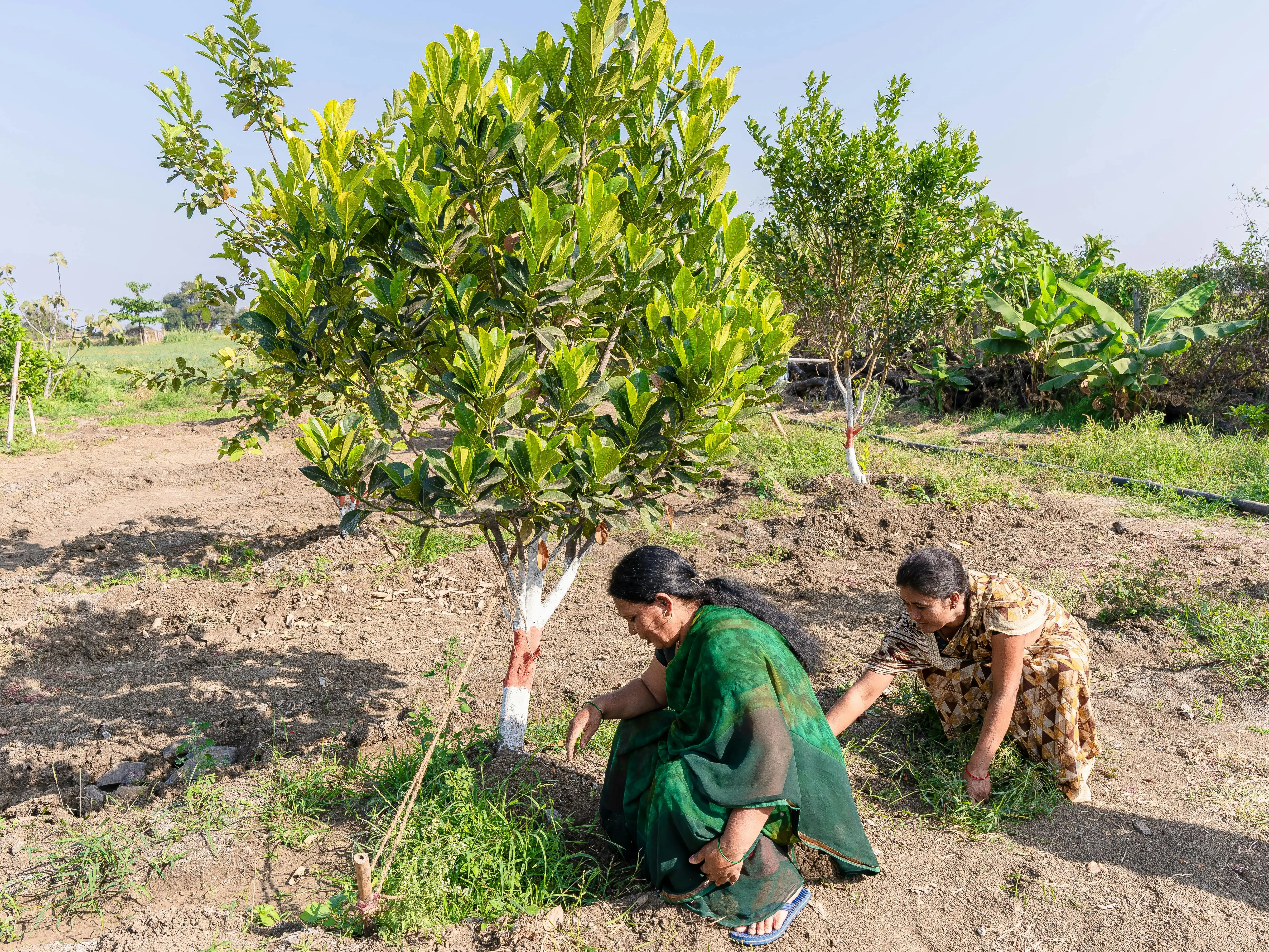
As meteorological agencies sound the alarm over a looming El Niño during the 2026 monsoon, experts are increasingly advocating for massive tree-planting initiatives to safeguard India’s vulnerable agricultural sector. The World Meteorological Organisation (WMO) recently issued an El Niño Watch, projecting an 80% probability of development between June and August, which surges to nearly 90% by year-end. This warming of the Pacific Ocean historically disrupts the Indian monsoon, threatening a country where nearly half of all cultivable land relies entirely on rain. Regions already plagued by acute water scarcity and recurring droughts—such as Rajasthan, Bundelkhand, and Marathwada face the highest risk. To mitigate this, agricultural experts are championing trees as vital ecological infrastructure. Beyond providing shade, trees restore the hydrological cycle; their deep roots facilitate groundwater recharge, while their dense canopies reduce soil temperature and drastically slow down evaporation during extreme heat spells.
Moreover, scientists have found that some trees use a trick called hydraulic lift, pulling up water from deep underground and releasing some of it closer to the surface. That moisture gives nearby crops and soil organisms a real boost during dry times.
“But the benefits don’t stop there. Tree plantations turn into havens for birds, insects, and pollinators. That means more bees and other species helping with pollination, which keeps fields productive; birds help by spreading seeds and keeping ecosystems healthy,” said Dr. Aneesha Dalmia, member of Partners for Water Access and Better Harvests in India.
“For farmers facing a future with uncertain weather, fruit trees can make all the difference. Unlike annual crops that might fail if the rains don’t come, fruit trees are often sturdier. Even during the bad year, the farmers offer some harvest, which helps in giving families food and another source of income to fall back on when traditional crops let them down. Moreover, experts believe that tree plantations need to be part of a bigger plan—mixed with agroforestry, soil conservation, rainwater harvesting and drought-resistant crops. This way, whole communities become more resilient, not just individual farms,” she added.
India’s approach to climate resilience is evolving from short-term crisis management to long-term strategic planning. Central to this shift is a growing realisation that trees are far more than mere tools for carbon capture or land restoration; they are vital green infrastructure. By recharging groundwater, supporting biodiversity, boosting local economies, and buffering communities against extreme weather, trees are foundational to ecological survival. With another El Niño looming in 2026, investing heavily in agroforestry and tree cover stands out as one of the most effective strategies to safeguard Indian agriculture for the future.

