Watch | Rare, elusive 'red sprite' snapped: Astronaut captures unique view from ISS

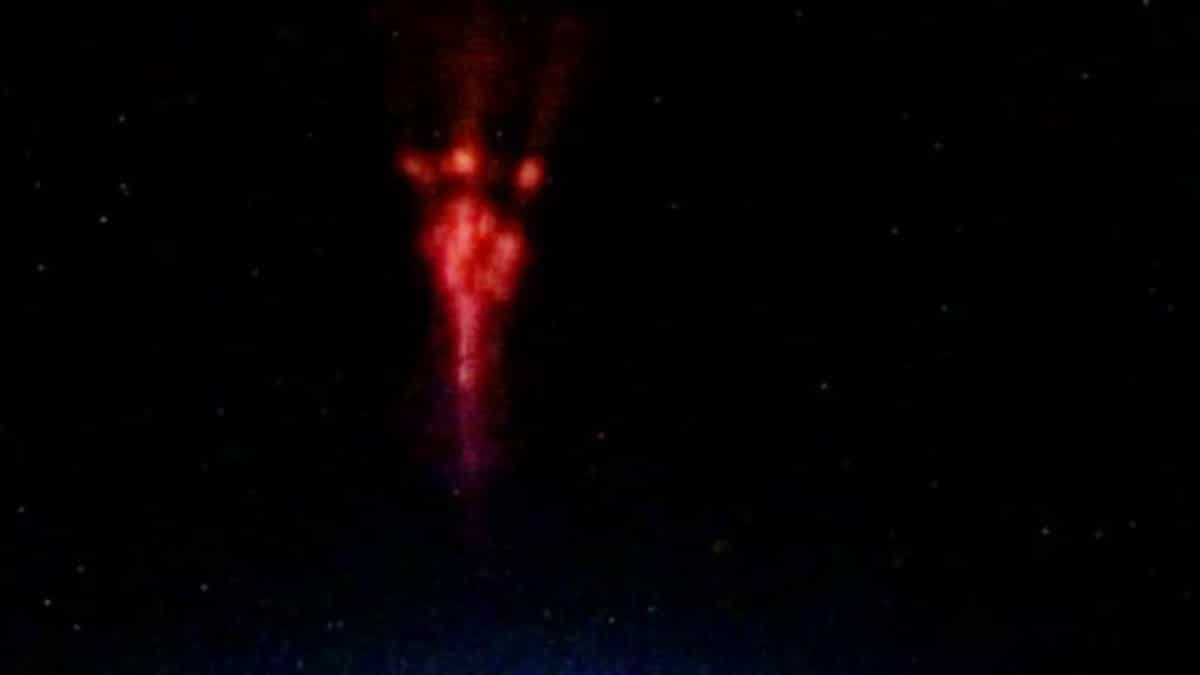
Image of red sprite snapped by the astronaut using Davis camera.
In a rare chance, astronaut Andreas Mogensen captured the unique and elusive "red sprite" from the International Space Station (ISS).
The ISS has been orbiting Earth at a height of nearly 250 miles which means that the space station takes around 16 trips around Earth every single day.
As the rare lightning phenomenon, called a red sprite, made a sudden appearance, the astronaut from the European Space Agency snapped an incredible photo and a timelapse video.
The space station's Davis camera was used by Andreas Mogensen as he spotted a thunderstorm brewing over Earth.
"Beyond the clouds is a fascinating world," he wrote in the caption, as he posted the photos of the phenomena on X (formerly Twitter).
Since August, Mogensen has been staying on the ISS and has been clicking photos of Earth from the space station's Cupola every Saturday.
Davis camera captures magic of 'red sprite'
The astronaut last week managed to capture footage of a red sprite over a thundercloud.
"Red sprites are part of the rare phenomena known as Transient Luminous Events, often shortened TLEs, that can appear over thunder clouds," wrote Mogensen on X.
"The red sprites form around 40 to 80 km [24 to 48 miles] above ground and as you can see in the video from the Davis camera, the red sprites appear after the thunder has struck and much higher up," he added.
Watch:Gaganyaan: India's first mission to send astronauts to space
Red sprites are one kind of electrical bursts of light which generally appear above highly active thunderstorms.
The Davis camera of ISS is an event camera which functions likethe human eye and senses change in contrast.
"These images taken by Andreas are fantastic," said Olivier Chanrion, who is a lead scientist for this experiment and DTU Space senior researcher.
"The Davis camera works well and gives us the high temporal resolution necessary to capture the quick processes in the lightning," he added.
(With inputs from agencies)