Use of pig fat for green jet fuel likely to hurt planet, warn experts

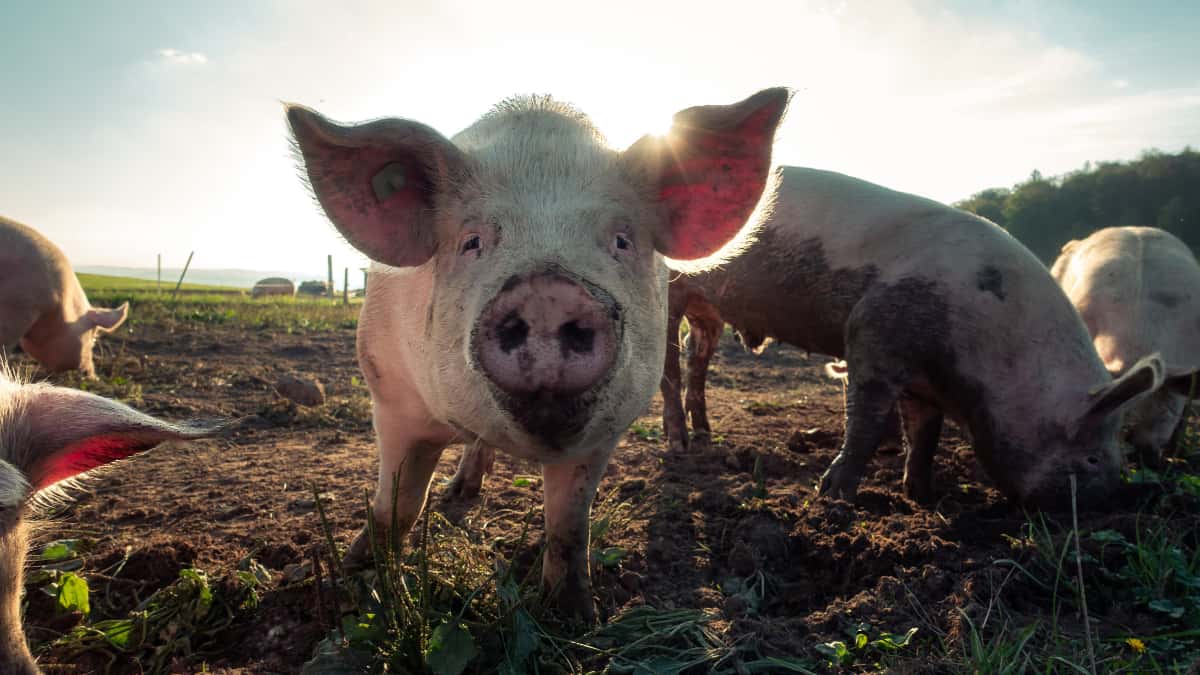
Representational image.
A new study has warned that using the fat of dead pigs, cattle and chickens to make greener jet fuel will adversely affect the planet Earth.
Animal fats are believed to be a waste, so aviation fuel which is made using it is considered to have a lower carbon footprint.
The requirement for fuel which is made using animal by-products is likely to triple by 2030, as airlines lead the charge.
However, experts fear scarcity will lead to other industries using more palm oil, which is a huge generator of carbon emissions.
Airlines have been under pressure to control their huge carbon emissions which are generally generated after fossil-based kerosene burns in aircraft engines.
However, a study released by Brussels-based Transport & Environment, which is a clean transport campaign group, emphasised that not enough animals get slaughtered every year to meet the growing demand of airlines for animal fats.
"There's not a never-ending supply of animals or animal fat," stated Matt Finch from Transport & Environment.
"So if you put on a massive extra demand source from anywhere from aviation, in this case, the industries where fat is currently being used, will have to look for alternatives. And that alternative is palm oil. So aviation indirectly, will be responsible for increasing the amount of palm oil being pulled through the European systems," he added.
How many dead pigs are needed to fuel an airplane?
As per Transport & Environment, a flight from Paris to New York requires fat from 8,800 dead pigs if all the fuel to be used in the aircraft must come from animal sources.
Since the UK is likely to restrict the use of animal products, flights which will get refuelled in Britain are likely to contain small amounts of animal-derived material in their engines.
In the EU, airlines will be given a target of using sixper cent sustainable aviation fuel for 2030 of which 1.2 per cent is likely to come from e-kerosene.
If the remaining 4.8 per cent of fuel is made out of animal fat, it would require around 400 dead pigs for every transatlantic flight.
WATCH |Indonesia confirms African Swine Fever outbreak
Pet food manufacturers and many other industries will have to source different ingredients if a greater share of animal fat is consumed by the aviation industry.
"These are really valuable ingredients for us and they are hard to replace, and they're put to good use already in a very sustainable way," stated Nicole Paley, deputy chief executive of UK Pet Food, the manufacturers' trade association.
"So diverting these ingredients to biofuels is actually creating another problem. It would put us in competition with the aviation industry. And when it comes to the purse strings of the aviation sector, the pet food industry would find it really difficult to compete," he added.
You cannow write forwionews.comand be a part of the community. Share your stories and opinions with ushere.
WATCH WION LIVE HERE