US university uses AI to prove our fingerprints are not unique: Report

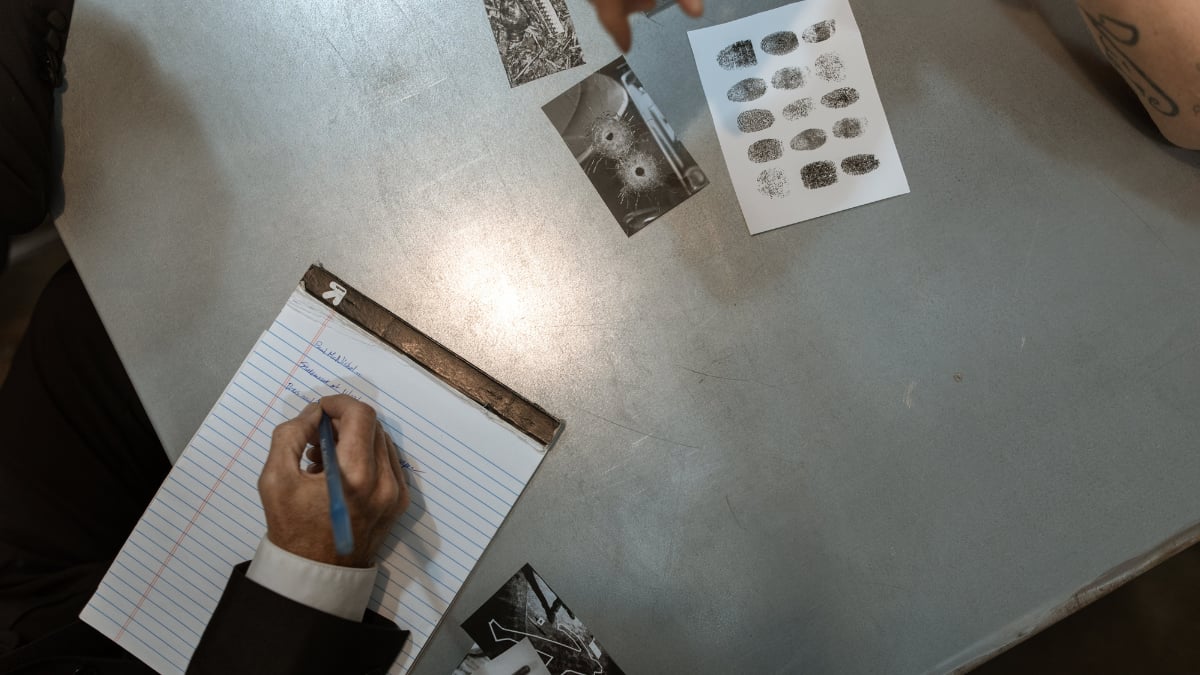
Representative image.
It is believed that each fingerprint on our hands is unique. However, scientists at a university in the United States challenged this with the use of artificial intelligence (AI). According to a report by BBC on Thursday (Jan 11), researchers at Columbia University trained an AI tool to examine 60,000 fingerprints to see if it could work out which fingerprints belong to the same person.
The AI tool could identify with an accuracy of 75-90%, whether prints from different fingers came from one person, the report said.
'We were very sceptical...'
Researchers at Columbia thought the AI tool was analysing fingerprints in a different way from traditional methods. Speaking to BBC, Professor Hod Lipson, who supervised the study, said the researchers were not sure how AI did it.
"It is clear that it isn't using traditional markers that forensics have been using for decades," said Professor Lipson. "It seems like it is using something like the curvature and the angle of the swirls in the centre," he added.
"We were very sceptical... we had to check and double check," he further said.
Professor Graham Williams, who teaches forensic science at Hull University, told the network that the idea of unique fingerprints had never been set in stone.
"All we can say is that as far as we are aware, no two people have yet to demonstrate the same fingerprints," Professor Williams said.
The findings of the study were deemed so surprising that they were rejected by an unnamed forensics journal.
Also watch: Artificial Intelligence: Job killer or job creator?
"I don't normally argue editorial decisions, but this finding was too important to ignore," Lipson added. He pointed out that if the findings tip the balance, then "I imagine that cold cases could be reviewed and even that innocent people could be acquitted."
BBC reported that the research's findings could have the potential to impact both biometrics and forensic science.
(With inputs from agencies)