This is why some people develop life-threatening COVID-19, while others get no symptoms at all

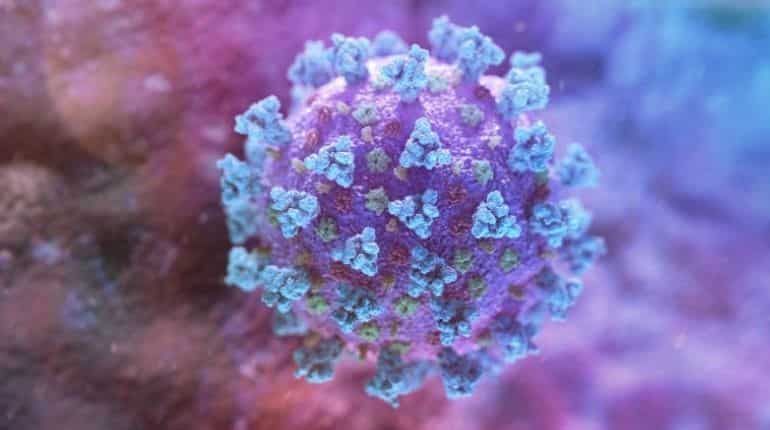
coronavirus (representative image).
Researchers in the UK have discovered 16 new genetic variants that can increase the severity of COVID-19 infection.
Some of the genes are associated with blood clotting, immune response, and inflammation intensity.
"Our latest findings point to specific molecular targets in critical COVID-19. These results explain why some people develop life-threatening COVID-19, while others get no symptoms at all," said Professor Kenneth Baillie, Consultant in Critical Care Medicine at the University of Edinburgh.
A single genetic variant disrupting a key messenger molecule in immune system signalling, called interferon alpha-10 was enough to increase a patient's risk of severe disease, according to the study published in the journal Nature.
This points to the gene's crucial role in the immune system. It may suggest that treating patients with interferon, a protein released by immune cells to protect against viruses, in the early stages of infection may be beneficial.
Furthermore, the study found that variations in genes that control the levels of a vital component of blood clotting, known as Factor 8, are associated with critical illness in COVID-19.
Some of the abnormal clotting seen in severe cases of COVID-19 may be explained by this. According to researchers, factor 8 underlies the most common type of haemophilia.
"It is now true to say that we understand the mechanisms of Covid better than the other syndromes we treat in intensive care in normal times -- sepsis, flu, and other forms of critical illness. COVID-19 is showing us the way to tackle those problems in the future," Baillie said.
Researchers sequenced the genomes of 7,491 patients from 224 intensive care units in the UK for the study.
The DNA of these people was compared with that of 48,400 other people who had not suffered from COVID-19, and 1,630 people who had suffered mild Covid.
As a result of obtaining the whole genome sequence for each participant in the study, the researchers were able to create a precise map and identify genetic variations that contribute to the severity of COVID-19.
Watch |Gravitas: Hong Kong: Shipping containers hired to store dead bodies
The team found 16 genes that differed in the DNA of the ICU patients from the DNA of the other groups.
A total of seven other genetic variations associated with severe COVID-19 have also been confirmed in earlier studies by the same team.
The findings could lead to new tests and treatments to help protect the public from this virus, the team said.

