The old 'cola trick' might not help remove food stuck in throat, suggests new study

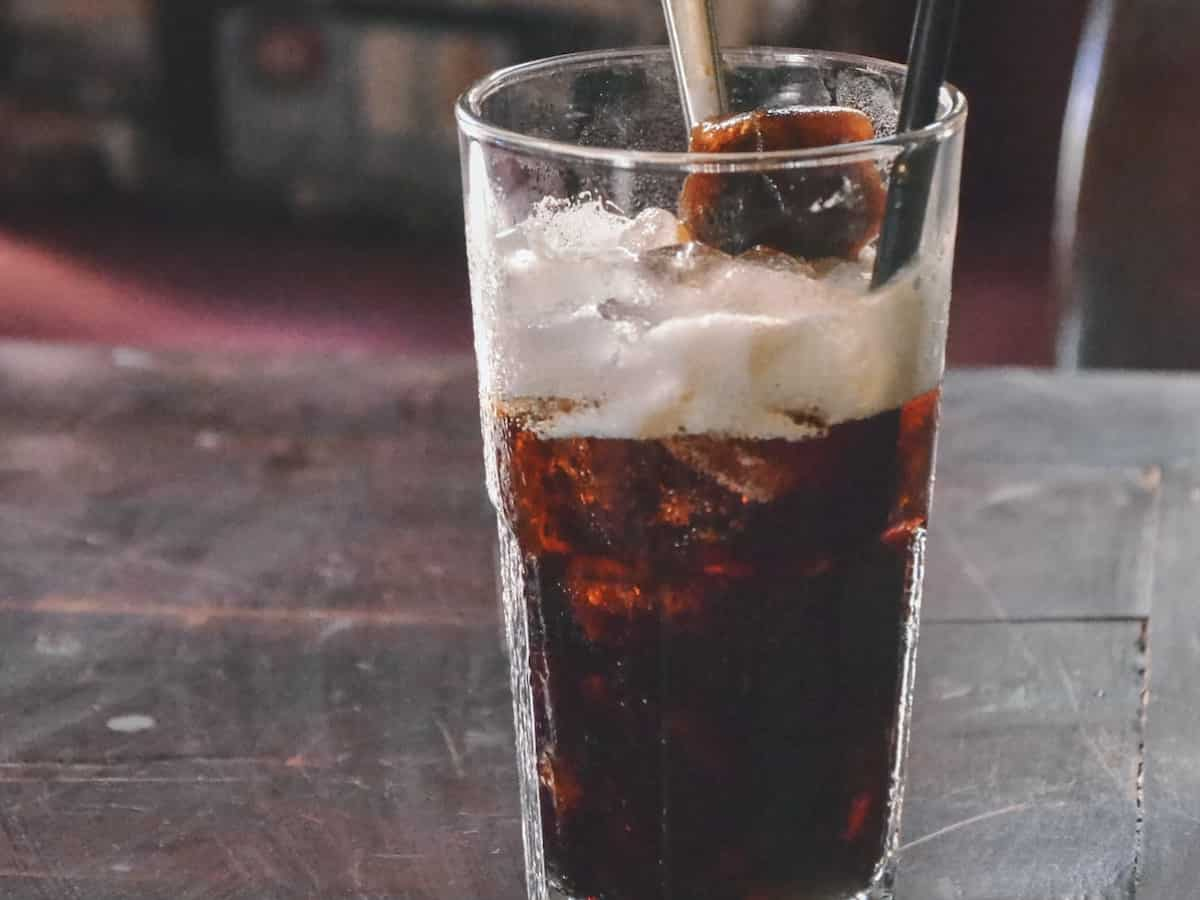
Cola drink
Whenever a piece of food like turkey gets stuck in the throat and you search for ways to let it pass easily through your oesophagus, the most common solution is drinking cola. Many credible health websites and even doctors or emergency workers have recommended the same.
However, a new study dispels this cola trick as a myth and shows that drinking cola might not help in clearing a blocked oesophagus.
The new research published in the Christmas issue of the British Medical Association journal says that the efficacy of using cola to clear a blocked oesophagus is unknown.
"If food gets stuck in the oesophagus, it is a frightening and painful sensation. It isn't the same as choking when food gets stuck in the trachea, but it certainly can be as frightening as choking," the study's lead author, Dr Arjan Bredenoord, a professor of gastroenterology at Amsterdam University Medical Centers in the Netherlands, told UPI via email.
In such a situation, it is best to seek appropriate medical treatment, instead of trying DIYs at home.
Why do people generally use cola?
Earlier, quite a few researches suggested that drinking a carbonated beverage might help dislodge food stuck in the food pipe.
Doctors believe that the carbon dioxide gas present in soda helps disintegrate the food. It is also thought that some of the soda gets into the stomach, which then releases gas. The pressure released thus helps dislodge the stuck food. Though this was never proven scientifically, it was more of a theoretical explanation.
Also Read |What are frostquakes? Earthquakes caused by freezing temperatures affecting northern regions
Sometimes the food loosens on its own but when it doesn’t, patients need to visit hospitals for an endoscopy, as per Bredenoord. In this procedure, a camera is inserted through the mouth into the oesophagus and the food is removed with a net or a forceps.
How new study tried to dispel cola myth
To test the efficacy of cola, Bredenoord with his team investigated five Dutch hospitals. Of the 51 participants in the study, half were given sips of cola, while the other half just waited for endoscopy.
The results indicated that cola was of no help. For patients who received cola as well as those who waited for endoscopy, there was an improvement in 61 per cent of them. There were no side effects or complications from cola use, but also no significant improvement.
The team suggested it is better to drink a few sips of water to ease the pain while waiting for a medical procedure, instead of using cola.
(With inputs from agencies)