The Milky Way Photographer of the year is all about spectacular images of our universe

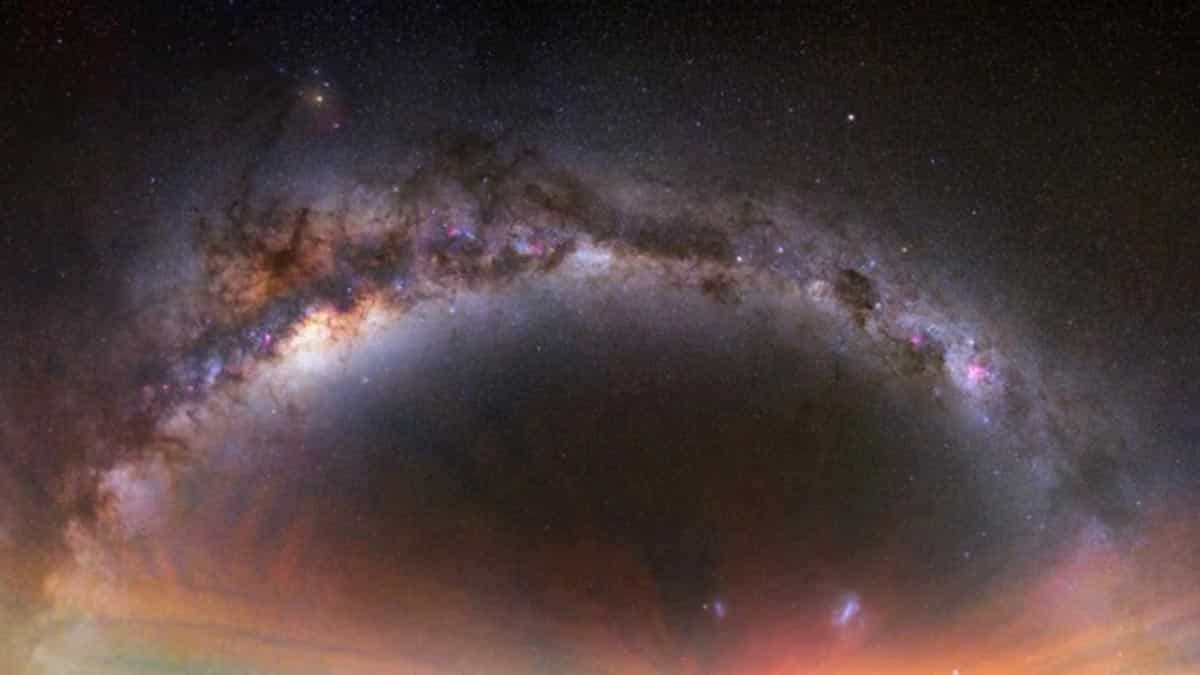
The image will surely leave you awestruck.
If you are a space enthusiast, the Milky Way Photographer of the Year might just be the thing you need to see. The competition features photos from all over the globe capturing the beauty and complexity of the night sky. The photos were taken in locations like Namibia, Australia, New Zealand and Japan. Hosted by photography blog Capture the Atlas, this year’s images were revealed on Wednesday. All we can say is that the 25 winning images can leave you stunned by the magnificence present in the universe.
“Modern cameras can capture vibrant details and colours in the night sky beyond what our eyes can see. However, what really matters in any great image is the photographer behind the camera, who provides the idea, plan, and creativity to bring the image to life,” Capture the Atlas stated on its blog.
The first photo in the set is from Yemen’s Socotra. The stars are captured from between the trees. The sky is coloured in hues of pink and purple. The image will surely leave you awestruck.
The second picture is from Argentina’s Cafayate Desert. The vast emptiness adds a stark contrast to the brightly lit sky.
The other photos similarly capture the Milky Way in all its glory. All the photos can be found at Capture the Atlas’s website.
Photography tips
Capture the Atlas stated that the Milky Way season takes place between February and October in the Northern Hemisphere. In the Southern Hemisphere it can be seen from January to November. In both hemispheres, the best time to photograph the Milky Way is between May and June.
If you are a space photography fan, Capture the Atlas blog also has some tips to capture the Milky Way on your camera. This includes keeping the aperture to the widest possible setting. Make sure that the exposure is between 3200 and 6400. “Generally, the best time of day to see the Milky Way is between 00:00 and 5:00 on nights with a new moon during the Milky Way season,” the blog stated. Other important factors to consider are the sunrise/sunset time, Milky Way visibility and the phase of the moon.
WATCH WION LIVE HERE