Scientists grow pair of 'laboratory testicles' that could help treat male infertility

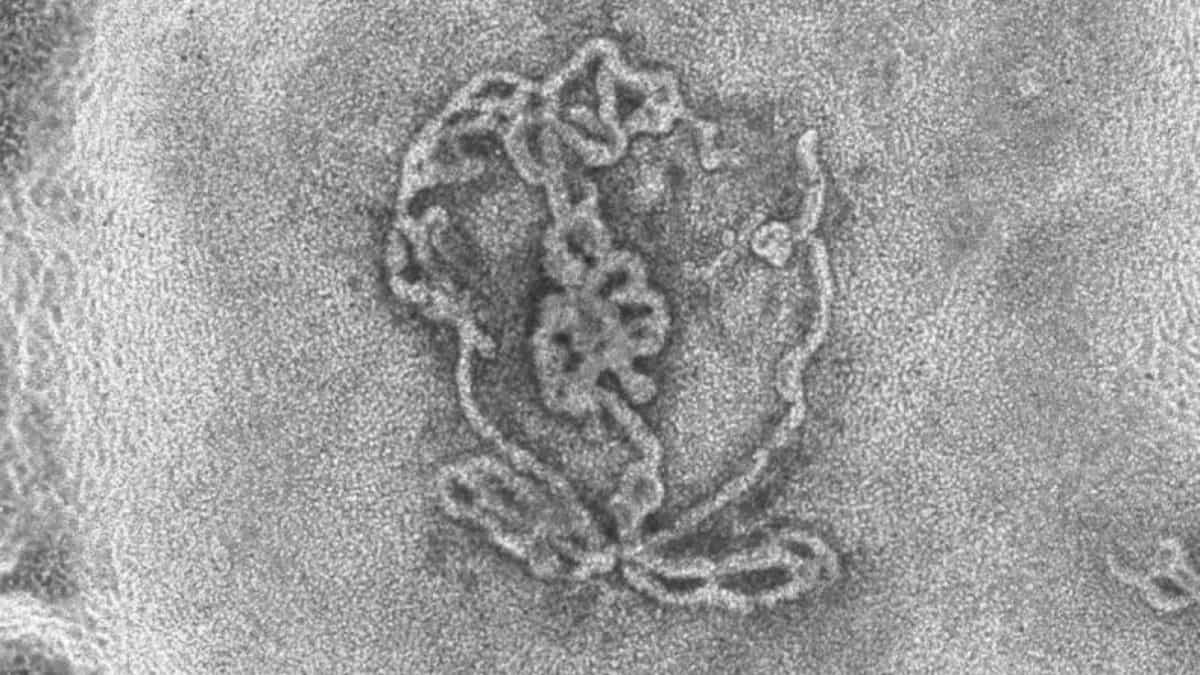
Image of a testicular organoid created from mouse embryos.
In a major breakthrough, the scientists have successfully grown the world's first pair of “laboratory testicles” at Israel’s Bar-Ilan Universitywhile trying to find a way to ease male infertility which affects 10 per cent to 15 per cent of men in the United States.
Scientists have produced tiny and artificial organs using cells which were extracted from mouse testes. The organs are reported to resemble the natural mouse testicles and also function like them.
The researchers, headed by Dr Nitzan Gonen, had aimed at developing human-like testicles using human stem cells which may help in treating infertility and developmental sex disorders.
"Fertility clinics are able to identify some of the problems that cause male infertility — a low sperm count or an abnormal structure — but we don’t understand fully what causes this, which genome mutations led to the condition, or what went wrong in the testicle’s functioning, as a result of which the tubes do not carry the sperm well,” said Gonen, while speaking to the Israeli newspaper Haaretz last week.
Also Read:Man in Australia jams batteries into his penis for 'sexual gratification', leaves doctors baffled
"Now it will be possible to study these subjects within the system of the model we have produced,” she said.
A step ahead of organoids!
Organoids, which are three-dimensional miniature versions of immature organs and resemble kidneys, brains and intestines, from stem cells, have already been generated by biologists.
The organoids which were created by Gonen’s team were cultured from immature testicular cells belonging to neonatal mice.
The researchers found that the procedure had succeeded after they noticed tubule-like structures and cellular organisation which appeared similar to those present in vivo testis.
Watch:Is 'Looksmaxxing' preying on younger men? Decoding the viral TikTok trend
According to the report, the artificial mouse testicles were able to function well for nine weeks, which is considered sufficient time for sperm generation and release to occur in a mouse. The process takes nearly 34.5 days.
There are two main functions of testicles - the synthesis of testosterone and the storage, production and maturation of sperm cells.
According to the findings of the study, which was recently published in the International Journal of Biological Sciences, the scientists emphasised that their organoids showed “signs of entry into meiosis,” the process which decreases the number of chromosomes by half to form sperm cells.
(With inputs from agencies)