Research points toward exceptional heating in Arctic area

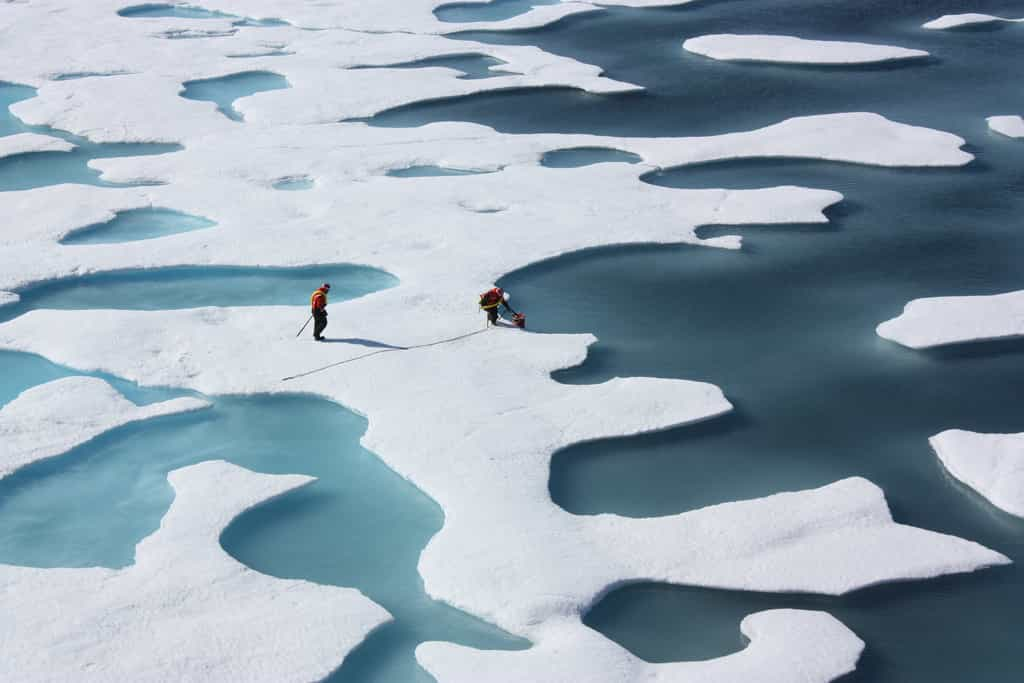
Representative image
A study on ‘Exceptional warming over the Barents area’ studying surface air temperature (SAT) data from Global reanalyses points towards maximum warming over the northern Barents area.
Researchers studied the warming over the past 20–40 years based on new available SAT observations and a quality-controlled comprehensive SAT dataset from the northern archipelagos in the Barents Sea.
They identified a statistically significant record-high annual warming of up to 2.7 °C per decade, with a maximum in autumn of up to 4.0 °C per decade. The researchers said the heating in this region was an “early warning” of what could happen across the rest of the Arctic.
As quoted by The Guardian, Prof Michael Mann, from Pennsylvania State University, US, says, “Sea ice loss and warming in the Barents Sea, in particular, have been isolated in previous work as being especially relevant to changes in winter-time atmospheric circulation that are tied to extreme winter weather events.”
“If this mechanism is valid, and there’s some debate over that, then this is yet another way climate change could be increasing certain types of extreme weather events [and which] isn’t well captured by current models,” he added.
Changes in surface air temperature (SAT) and sea ice are the main drivers of the ongoing environmental transformation of the Arctic1 and have emerged as a leading signal of global warming2,3.
For more than four decades, the Arctic sea ice extent has declined almost continuously, with the largest trends in September and the smallest on March 3. Between 1979 and 2021, the September trend was − 13.4% per decade, while the March trend was − 2.6% per decade.
(with inputs from agencies)
WATCH WION LIVE HERE
You can now write for wionews.com and be a part of the community. Share your stories and opinions with us here.