Oldest human brain? Cells of man killed 2,000 years ago found

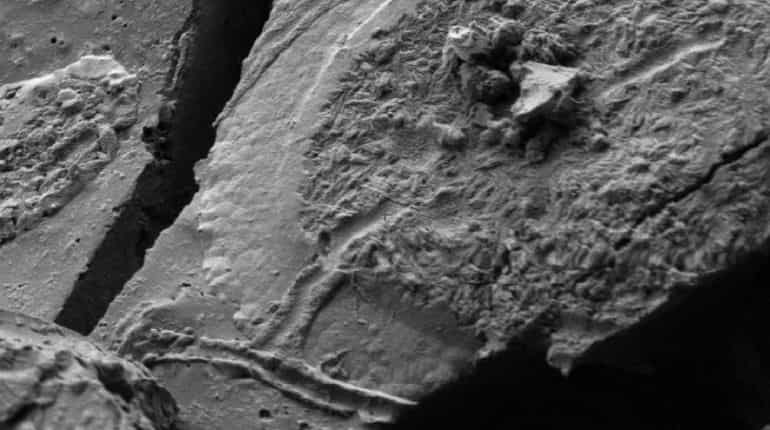
Brain cells of man killed 2,000 years ago found
The frozen neuronal structures were discovered at the at the archaeological site of Herculaneum, an ancient Roman city, as described by news agency AFP.
"The study of vitrified tissue as the one we found at Herculaneum... may save lives in future," said the study's lead author Pier Paolo Petrone, forensic anthropologist at Naples' University Federico II.
"The experimentation continues on several research fields, and the data and information we are obtaining will allow us to clarify other and newer aspects of what happened 2000 years ago during the most famous eruption of Vesuvius."
It is being said that the man was around the age of 20 when he was killed and his remains were found in the 1960s spread out on a wooden bed.
The lead author of the study published in science journal PLOS ONE explained that the extreme heat and the instant cooling of the eruption transformed the brain material into a glassy material, which froze the neuronal structures.
"The evidence of a rapid drop of temperature -- witnessed by the vitrified brain tissue -- is a unique feature of the volcanic processes occurring during the eruption, as it could provide relevant information for possible interventions by civil protection authorities during the initial stages of a future eruption," said Petrone.