International Space Station at risk of falling on Earth, NASA warns

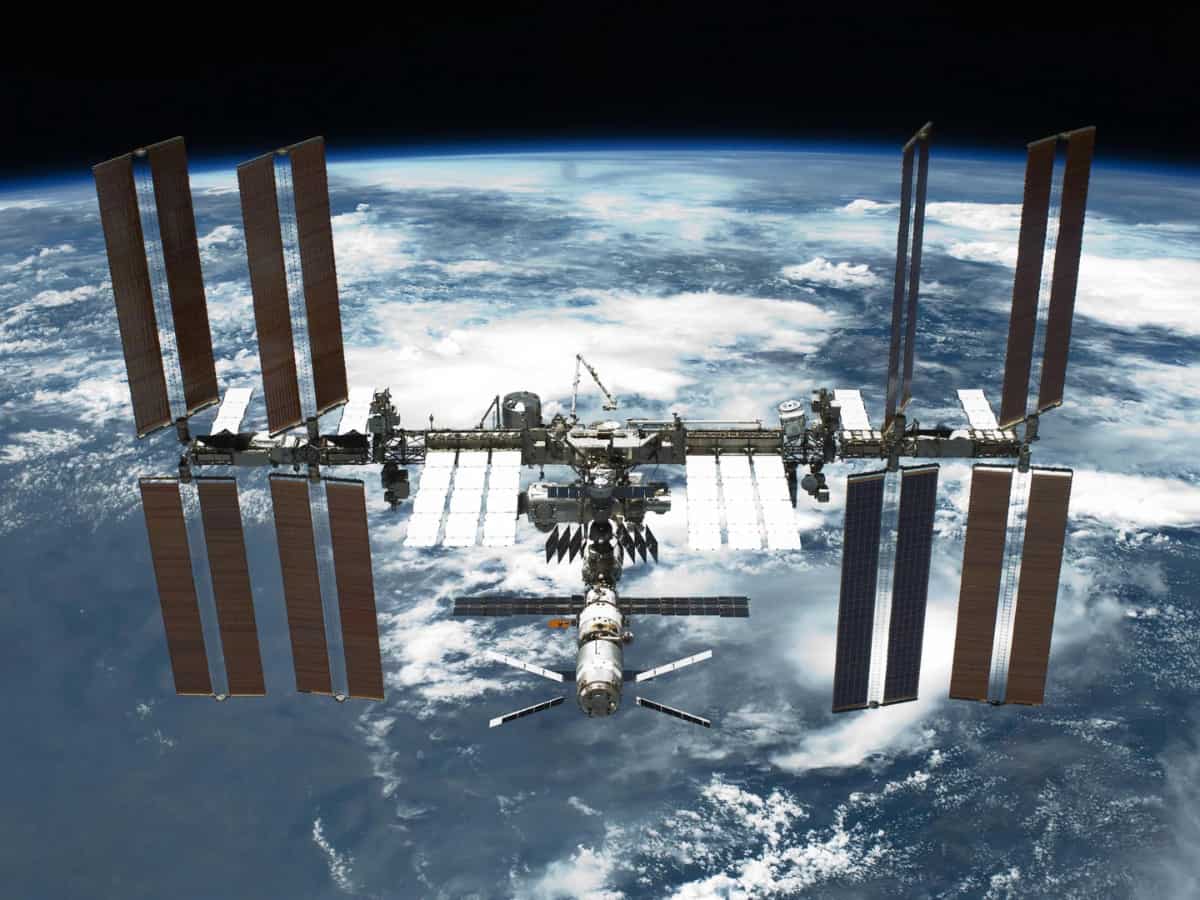
NASA plans to retire International Space Station (ISS) by 2030
The American space agency NASA is brainstorming ways to safely retrieve the International Space Station (ISS), a mission that looks trickier than it seems. NASA is taking this matter extremely seriously, because if gone wrong it can be a catastrophe on Earth.
At a briefing on Thursday, the space agency’s Aerospace Safety Advisory Panel (ASAP) called plans to deorbit the station in such a way that it does not cause any human casualties on the ground.
One such harmless and accurate method that the space agency comes up with is using a “space tug”. Space tug is a spacecraft that is used to transfer spaceborne cargo from one orbit to another. But this method is not at all cost effective and will require Joe Biden’s government to boost up its space budget.
Retirement plans for ISS
The International Space Station was constructed in the late 1980s with an intended lifespan of 15 years. But the ISS has already exceeded its time in space and has been in the orbit for the last 24 years.
"The day will inevitably come when the Station is at the end of its life and we may not be able to dictate that day, it is inconceivable to allow the Station to deorbit in an uncontrolled manner," said ASAP Chair Patricia Sanders at the briefing, as quoted by Space Policy Online.
Watch |NASA reveals long-awaited findings of UFO report
NASA has said that it wants to retire ISS by 2030, but to ensure a safe retirement, precise manoeuvres and calculations will be required to guide the ISS during its descent.
Why is it tricky to deorbit ISS?
The simple answer is ISS’ massive size. Because of its humongous size, it can pose an extreme hazard to populations over a broad area of Earth, if not taken down cautiously.
Deorbiting spacecraft is nothing new for NASA, but it is the hefty size of the ISS that poses a bigger risk and demands greater precision.
NASA plans to use a space tug to deorbit ISS. The space tug will nudge the station into the atmosphere, where it will begin to burn up during re-entry and fall over a remote part of the ocean called Point Nemo.
Also Read |NASA launched mission to 20,000 years old supernova remnant to understand life cycles of stars
Challenges
The main challenges in this plan remain precision and budget. To "initiate developing" the tug, NASA said it's allocated around $180 million. But in its actual construction, the cost could shoot up to $1 billion.
To account for those costs, NASA has asked for a budget boost to $27.2 billion for next year, but the Fiscal Responsibility Act of 2023 signed by President Joe Biden in June means that the space agency will likely suffer budget cuts.
Sanders said if those cuts come through, NASA will have to make "difficult choices," but stressed that the space tug is one of the "few areas that are not discretionary," as per Space Policy Online.
(With inputs from agencies)
WATCH WION LIVE HERE
You can now write for wionews.com and be a part of the community. Share your stories and opinions with us here.