Nasal drops show remarkable promise in stroke recovery, study finds

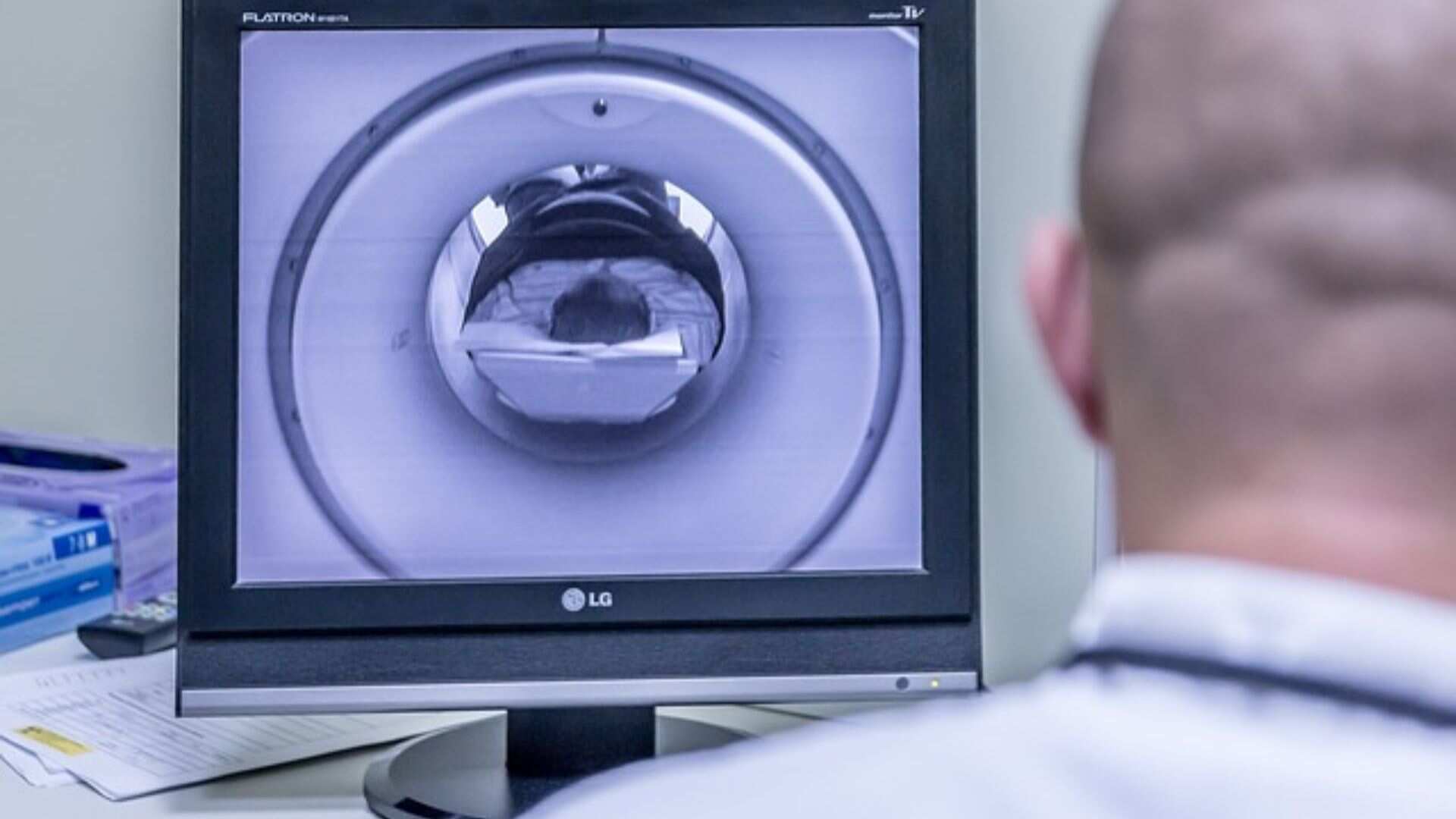
Brain scan
Scientists have successfully demonstrated the potential of using nasal drops containing a specific molecule to aid in the recovery of mice from the detrimental effects of a stroke.
The promising aspect of this treatment is that it can be administered seven days after the stroke occurs, offering hope that individuals who cannot receive immediate assistance can still benefit from protection against the severe consequences of the condition, according to Science Alert.
Research replicates positive results
The crucial component of these drops is a complement peptide called C3a, consisting of a sequence of amino acids, which has been recognised for its significant role in the immune system and the brain's development and adaptability. The ultimate goal is to transfer this treatment to humans, potentially revolutionizing stroke recovery methods.
"With this method, there's no need to race against the clock,"neuro-immunologist Marcela Pekna from the University of Gothenburg in Sweden told Science Alert.
"If the treatment is used in clinical practice, all stroke patients could receive it, even those who arrive at the hospital too late for thrombolysis or thrombectomy. Those who have remaining disability after the clot is removed could improve with this treatment too," he added.
The intentional delay in the administration of the C3a peptide is crucial due to its potential to amplify the presence of inflammatory cells in the brain, which can have detrimental effects instead of beneficial ones if applied too early.
To investigate its effectiveness, scientists simulated an artificial ischemic stroke, the most prevalent type of stroke, in mice. After a week, the mice treated with nasal drops exhibited significantly improved motor function recovery compared to a control group that received a placebo.
This finding highlights the promising potential of the nasal drops in facilitating faster and more comprehensive recovery from strokes.
The recent study provides valuable insights into the impact of C3a on the brain. Utilizing MRI scans, researchers discovered that the peptide effectively enhanced the formation of neural connections among nerve cells in the mice's brains. This finding contributes to a deeper understanding of the neurological effects of C3a and its potential role in promoting neural connectivity.
"Our results show that the C3a peptide affects the function of astrocytes – that is, cells that control many of the nerve cells' functions in both the healthy and the diseased brain – and which signals astrocytes send to nerve cells,"neuroscientist Milos Pekny from the University of Gothenburg said.
The current study builds upon previous research conducted by the same group of scientists, which investigated the protective and restorative effects of the C3a peptide in relation to stroke damage. The successful replication of their findings underscores the potential of this specific approach.
Ischemic strokes affect a significant number of individuals each year, with a considerable portion experiencing physical or cognitive impairments such as loss of voluntary movement, speech difficulties, and mental health issues like depression and anxiety.
The utilization of nasal drops containing the C3a peptide holds the potential to make a substantial impact on these statistics. However, further investigation is necessary to ensure the viability of this treatment in humans, as it has thus far been demonstrated in mice. This approach adds to the growing list of potential options that researchers are exploring to address the effects of strokes.
WATCH WION LIVE HERE: