Discovery of mysterious fungi lurking in Spanish riverbeds sparks warnings

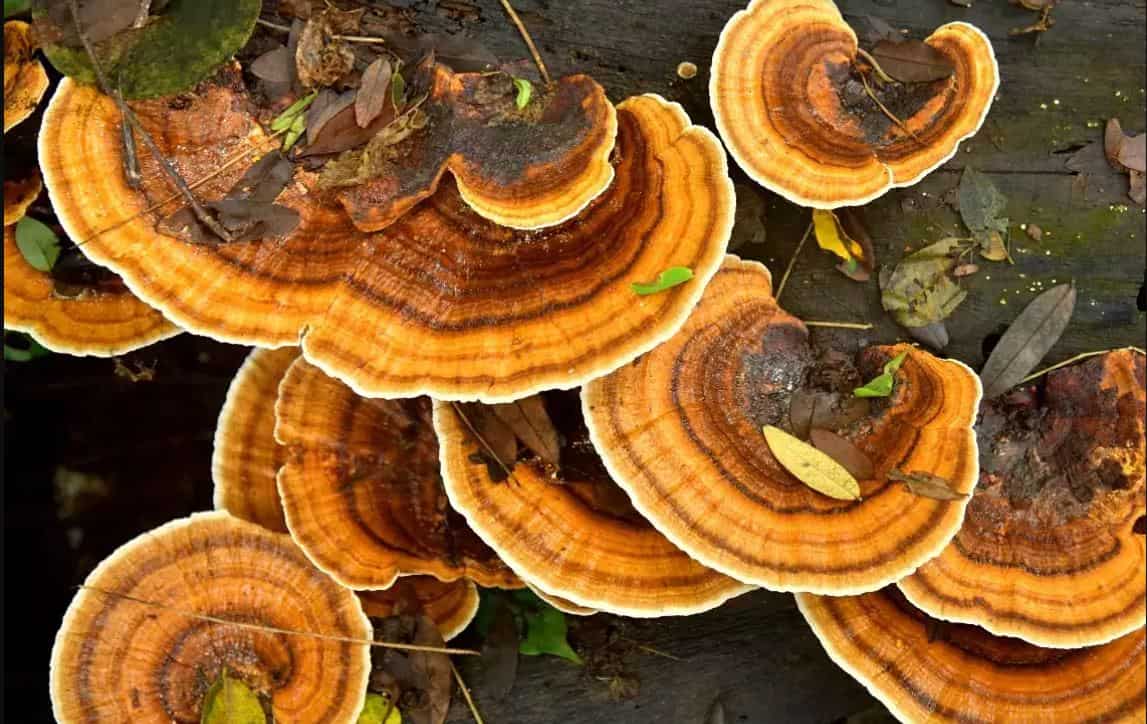
Representative image of fungus
Researchers have uncovered several new species of fungi lurking in the sediment of riverbeds across Spain, raising concerns about their potential harm to humans.
The study was published in the Journal of Fungi.
These newly discovered fungi are closely related to pathogenicspecies known to cause infections in humans. The research notes that during periods of drought, these fungi could become airborne and pose a risk of infection to both humans and animals.
Also watch |Scientists develop fabric made of 'Fungi' which needs no stitching
Lead author of the study, Josepa Gené from the public university of Tarragona in Spain, said in an official statement: "When sediments are exposed to air, these fungi may produce many spores that disperse, interacting with humans and animals during this dispersion. Infections tend to affect the most vulnerable populations and are not transmitted between humans but rather result from some form of injury."
These fungi also pose a potential threat to individuals swimming in the rivers where they reside.
Gené further said:"Other fungi are opportunistic pathogens of mammals, cold-blooded animals, and other creatures, causing mild and serious infections, not only in aquatic animals but also in those that pass through the environment, like humans swimming in rivers."
What exactly are these newly discoveredfungi species?
The newly identified fungi belong to the category of ascomycetes, which includes yeasts like Saccharomyces cerevisiae, filamentous fungi like Penicillium, and various plant pathogens.
Gené further said, "These findings allow us to complete our understanding of the evolution of fungi and determine if some of these microorganisms may be a threat to our health." The researchers plan to conduct lab investigations to understand the fungi's operation and growth at human body temperature, assessing their pathogenic potential during periods of drought.
Researchers say thatthe more information isaccumulated, the better humanity candetermine potential risks in specific areas.
(With inputs from agencies)