Lyrids meteor shower 2023: A complete guide on when, where & how to see it

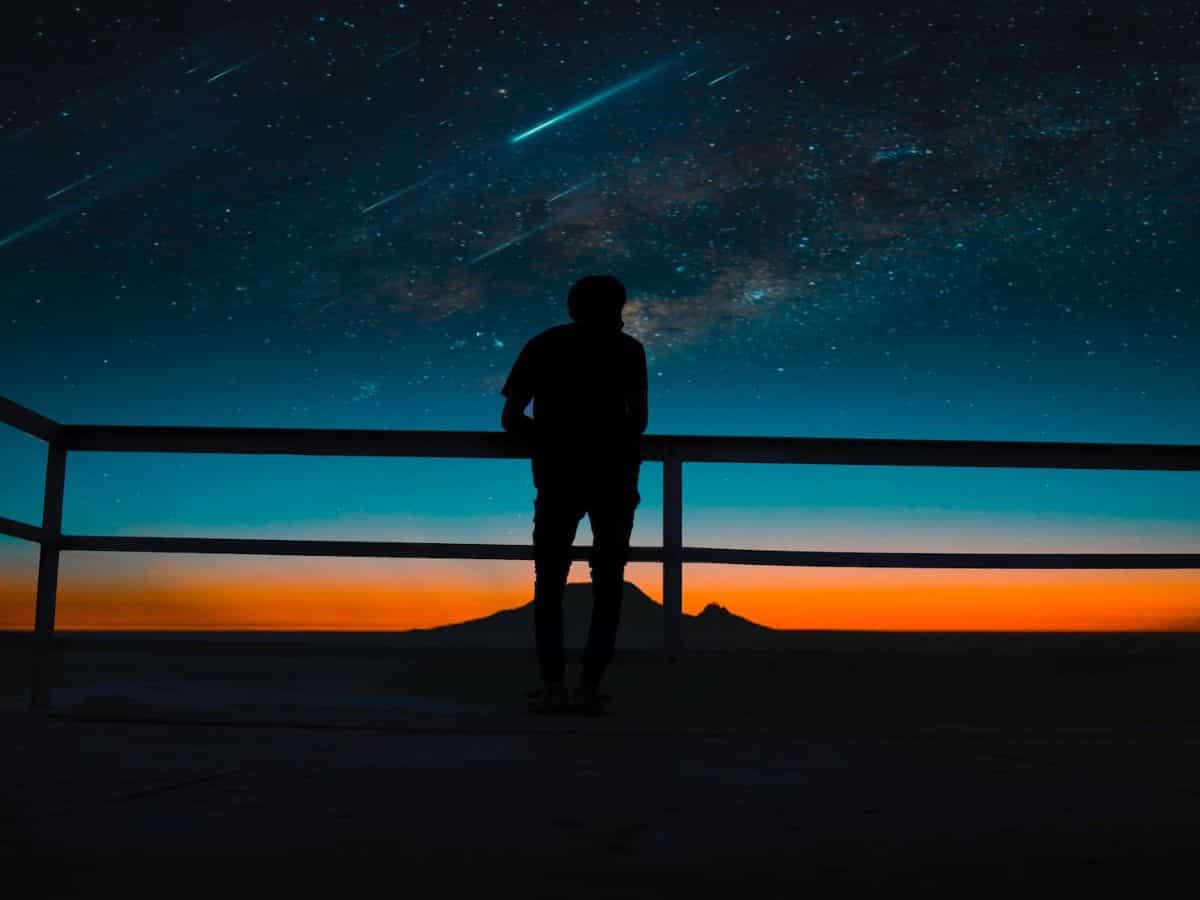
Lyrids meteor shower 2023
Lyrids meteor shower 2023: The Lyrid meteor shower that started on April 16 will reach its peak in the early hours of April 23. This shower is created by dust from the tail of comet C/1861 G1 (Thatcher). Lyrids are not generally vast in number, only about 18 an hour are expected, but they are often very bright and fast-moving. Some of the more spectacular ones are known to burn up so brightly that they cast shadows.
Lyrid meteor showers are named after a constellation called, Lyra. These are one of the oldest recorded meteor showers, which were seen over 2500 years ago, as per some historical Chinese text. The fireballs in the meteor shower are created by debris from comet Thatcher, which takes about 415 years to orbit around the Sun.
This year, viewing conditions are expected to be good because the moon has just 9 per cent of its surface illuminated, so even faint meteors will be visible. Occasionally, brief outbursts of 100 meteors an hour have been recorded for the Lyrids. The last report of such an outburst came from the US in 1982 and before that Japan in 1945, and Greece in 1922.
Lyrid Meteor Shower 2023: When and where to seethe radiant shower
Duration of the shower: April 15 to April 29.
NASA released an entire schedule for the Lyrid meteor shower, for what to look for in the sky this month:
April 6 - The sky will see a full moon.
April 11 - Mercury was at its highest and most visible point in the evening sky.
April 11 - According to NASA, Venus sat near the Pleiades star cluster this evening in the west.
April 15-16 - A couple of hours before sunrise on these days, the moon will be close to planet Saturn in the east.
April 20 - There will be a new moon.
April 23 - The crescent moon hangs just five degrees above Venus in the west after sunset, according to NASA.
April 23 - Marker of the peak of the Lyrids meteor shower in the morning. According to NASA, the best time to view is between midnight and dawn.
April 25 - This time, the moon finds its way to planet Mars in the evening, high in the west.
Expected meteors at peak (under ideal conditions): In a dark sky with no moon, you might see 10 to 15 Lyrids per hour. The Lyrids are known for uncommon surges that can sometimes bring rates of up to 100 per hour! Read more about Lyrid outbursts below.
Lyrid Meteor Shower 2023: How to witness the oldest-ever meteor shower
To witness the radiant meteor falling back on Earth, all you need is a clear sky and lots of patience. There is no need for any special equipment or skill set to view a meteor shower. The following tips can help enhance your shooting star viewing experience:
•Find a secluded viewing spot, away from the city lights. Once at the venue, your eyes may take 15 to 20 minutes to get used to the dark.
•Dress for the weather, and make sure you are comfortable, especially if you plan to stay out long. Bring a blanket or a comfortable chair with you, meteor watching can be a waiting game.
•Once you have found your viewing spot, lie down on the ground and look at the sky. You can use our Interactive Meteor Shower Sky Map or the table above to find the direction of the radiant; the higher the radiant is above the horizon, the more meteors you are likely to see.
•Meteor showers appear to originate from the radiant, but meteors can appear in any part of the sky.
WATCH WION LIVE HERE
You can now write for wionews.com and be a part of the community. Share your stories and opinions with us here.