
&imwidth=800&imheight=600&format=webp&quality=medium "Jupiter is literally the father of not just Earth, but the entire solar system. Here's why")
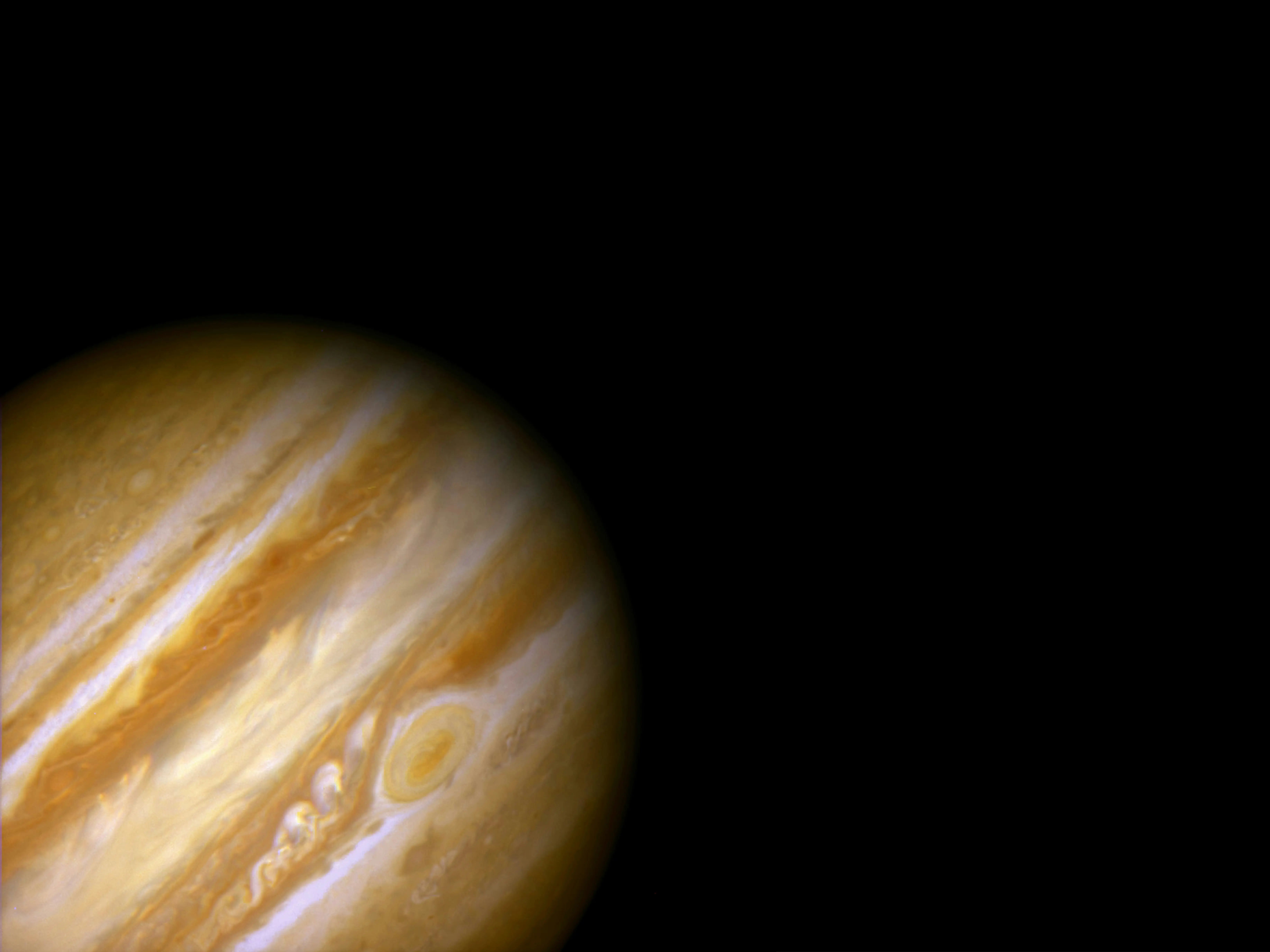
Jupiter is the reason why Earth exists today, a new study has found. The gas giant prevented gas and dust from flying towards the inner solar system and into the sun, thus preserving the building blocks of our planet. Scientists at Rice University in Houston stated in a study that as Jupiter continued to take shape in the early years, it started blocking the path of the material that later went on to make not just our planet, but also Mars and Venus. It literally made the solar system what it is today, acting like a wall. Besides, its gravity also stabilised the inner planets' orbits. The solar system also owed its structure to Jupiter which carved out rings and gaps which influenced the formation of rocky bodies.
Study co-lead Andre Izidoro, an assistant professor of Earth, environmental and planetary sciences at Rice University, said in a statement, "Jupiter didn't just become the biggest planet — it set the architecture for the whole inner solar system. Without it, we might not have Earth as we know it." Right after our sun was born, there was a swirling disk of gas and dust around it. All of it could have plunged into the Sun if not for Jupiter. The researchers said that Jupiter's huge gravitational pull "created ripples in the disk, disturbing the gas and forming ring-like bands of material that acted like cosmic traffic jams." These rings trapped the small dust grains that formed the rocky bodies and later coalesced to form planets.

Jupiter is the father of our solar system as it shaped almost everything here
Jupiter also divided the solar system into two zones - the inner portion and the outer one. As it grew in size, it opened a wide gap in the disk. The material from the two zones could not mix with each other because of this, and this barrier preserved the "isotopic" signatures found in meteorites. So there was the inner solar system, then the outer and also new regions where planetesimals could form much later. The study authors said that this is why some oldest meteorites formed millions of years later than the first solid bodies in the solar system. The researchers tried to answer the question of why some meteorites formed two to three million years after the first solids. "Our results show that Jupiter itself created the conditions for their delayed birth," Izidoro said.

