Human-induced climate change made summer drought ‘at least 20 times’ more likely, study finds

Global warming droughts
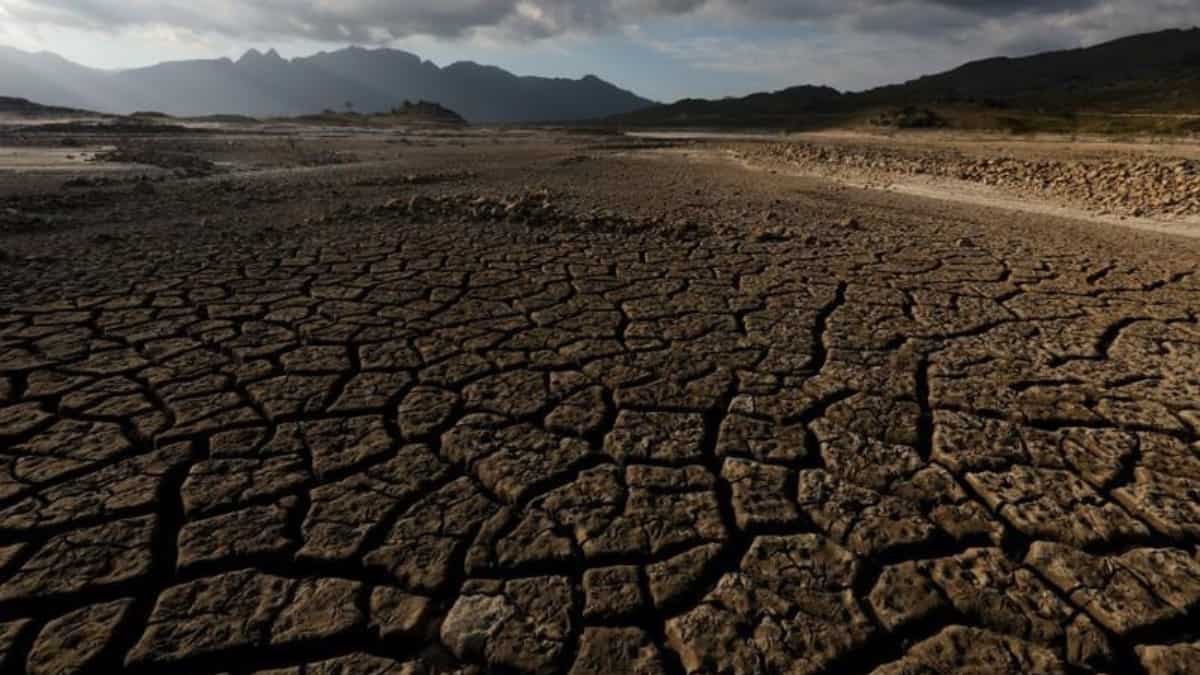
On Wednesday, scientists indicated that climate change has contributed to making record drought across the northern hemisphere this summer at least 20 times more likely. These findings are especially alarming considering without human-induced global heating they would expect such an event only once every four centuries.
“The 2022 summer has shown how human-induced climate change is increasing the risks of droughts in densely populated and cultivated regions,” said ProfessorSonia Seneviratneof ETH Zurich, Switzerland, who is also a part of the analysis team. She also warned that we need to phase out burning fossil fuels to prevent “more frequent and more intense droughts”.
According to experts, the intensity of the summer heat in 2022 would have been “virtually impossible” without global heating. In Europealone, heat waves caused nearly 24,000 heat-related fatalities. These heat-related drought conditions have led to food shortages in the Western US and critically low water levels in rivers in countries like Germany. These conditions have also caused food prices to soar across the world.
The new study is published by 21 members of the World Weather Attribution group, using peer-reviewed methods. The group is a global collective of scientists who examine and analyse ties between extreme weather events and human-caused climate change.
ALSO READ:'Significant milestone': Hole in the ozone layer will close in the next 50 years
According to reports, their key drought metric is calculating the changes in soil moisture and for this study, they analysed soil moisture levels in June, July and August of this year, in the top metre of soil, where plants take up water. Subsequently, the scientists used weather and soil data with computer models to compare and predict the likelihood of summer drought in the context of today’s global warming and in a world without it.
This comes amid the record drought already affecting crop production and power supplies, this is in addition to the food and energy crisis sparked by the Russian invasion of Ukraine. These dry conditions have been assessed by collecting and using data on soil moisture and have been attributed to heatwaves that swept across North America, Europe and Asia, with lower rainfall relatively less important.
The study examined conditions across the northern hemisphere excluding the tropical regions. Scientists also focused on western and central Europe where the drought was particularly severe and led to a significant reduction in crop yields. Reportedly, the summer in Europe this year was the driest on record which dates back to 1950 and it was the second driest on record in the northern hemisphere after 2012.
The primary cause for an increase in drought likelihood has been attributed to warmer temperatures, said the study. “In Europe, drought conditions led to reduced harvests. This was particularly worrying as it followed a climate change-fuelled heatwave in (India and Pakistan) that also destroyed crops, and happened at a time when global food prices were already extremely high due to the war in Ukraine.” said team member, Dr Friederike Otto, at Imperial College London, UK.
ALSO READ:UK’s Drax renewable energy power station cuts down primary forest in Canada, says report
Speaking about South Asian countries, scientists had already found that the deadly heatwave in the region was made 30 times more likely by human-induced climate change. Additionally, the intense rainfall, which caused devastating floods across Pakistan, earlier this year, was made 50% worse due to global warming, said the study.
“This new study clearly points to the fingerprint of climate change and should be another wake-up call to reduce emissions, but also to invest more in resilience,” said professor and director of the Red Cross’s Red Crescent climate centre, Maarten van Aalst.
In a world with climate change, the record northern hemisphere drought of 2022 would be expected at least once every 20 years. On the other hand, without climate change, such an event would be experienced only once every 400 years. The study also indicates that the drought experienced in western and central Europe was made at least three to four times more likely by global warming.
The analysis is complicated and carries uncertainties, but the estimates in the study are conservative, said the scientists. They added, with the real influence of human activities likely they might even be higher than what the study shows.
(With inputs from agencies)
WATCH WION LIVE HERE
You can now write for wionews.com and be a part of the community. Share your stories and opinions with us here.