How ISRO orbited 36 satellites in a single flight using its cryogenic engine, chairman explains

How ISRO orbited 36 satellites in a single flight using its cryogenic engine
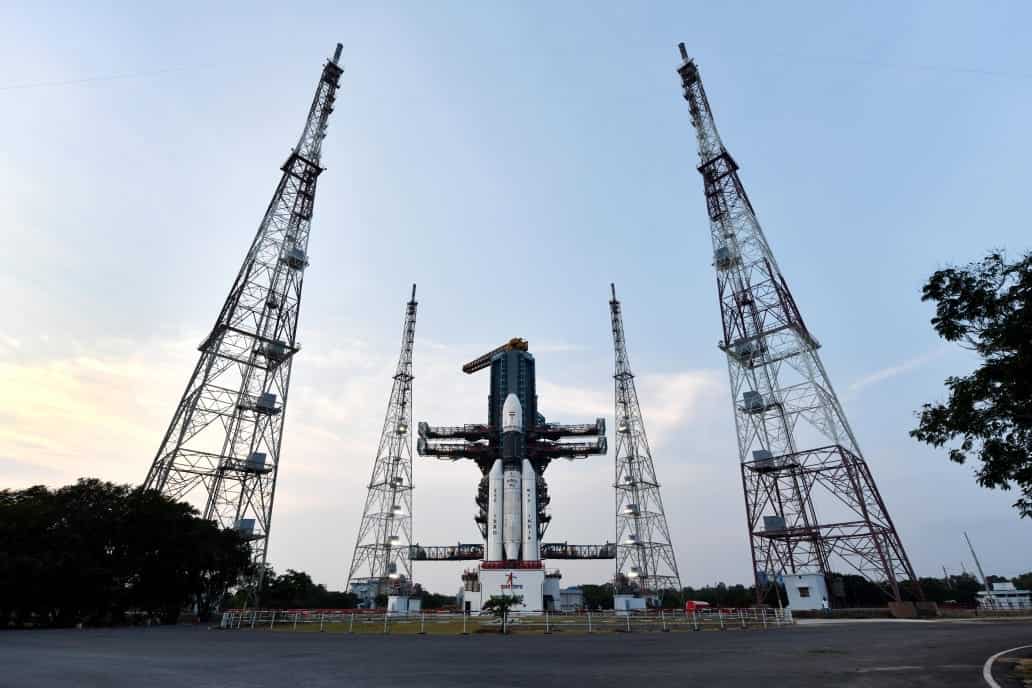
While the Indian Space agency ISRO had once orbited 104 satellites in a single PSLV rocket launch, the recent successful orbiting of 36 satellites using the LMV3(heaviest rocket), is a far more significant, sophisticated feat. While the PSLV is a tried and tested rocket that has been flying since 1993 and has done more than 50 missions(including multi-satellite injections) to date, the LVM3 is a relatively new rocket and has never injected more than one satellite into orbit. However, the LVM3 has had a record of delivering successes in all four(now five) flights.
The lead role for this 36-satellite mission was played by ISRO's Liquid Propulsion Systems Centre(LPSC), which designs and develops the liquid-fuelled engines and related systems that power the second and third stages of the LVM3. Given that the injection of 36 satellites was a long process taking nearly 90minutes, certain additional manoeuvres had to be performed by the rocket's last stage(Cryogenic stage).
Explaining the process, Dr Somanath, Chairman, ISRO told WION, "The satellite dispenser used for this LMV3/M2 mission is from the customer(OneWeb) and it has the heritage of launching 400 of their satellites, on other rockets. We interfaced their dispenser with our systems, sequencer and commanding system. Our rocket's(cryogenic) stage needed to do certain manoeuvres after reaching the designated orbit -rotate, move, appropriately to prevent the ejected satellites from hitting each other, for that there are complex manoeuvres".
He added that the 36 satellites were ejected in batches of four each and that the rocket stage performed the complex manoeuvres in space. "Using the stored Hydrogen gas and liquid oxygen available on board, without burning them, we are using it in gaseous form to provide thrust, control, movement, velocity etc. With this, we will do all the orientation to ensure that satellites move out and eventually, they never come(dangerously) close to each other" he elaborated.
In close coordination with OneWeb, whose satellites were being orbited, ISRO scientists performed calculations and analysis to ensure that the ejected satellites never come close to each other beyond a fixed distance. Given how Low Earth Orbits are getting increasingly populated with satellite constellations, it is important for such calculations to be carried out to ensure that the satellites don't come dangerously close to each other, even in the face of worst disturbances and perturbations.
