Google, Harvard reveal new insights about human brain using AI. Here's how

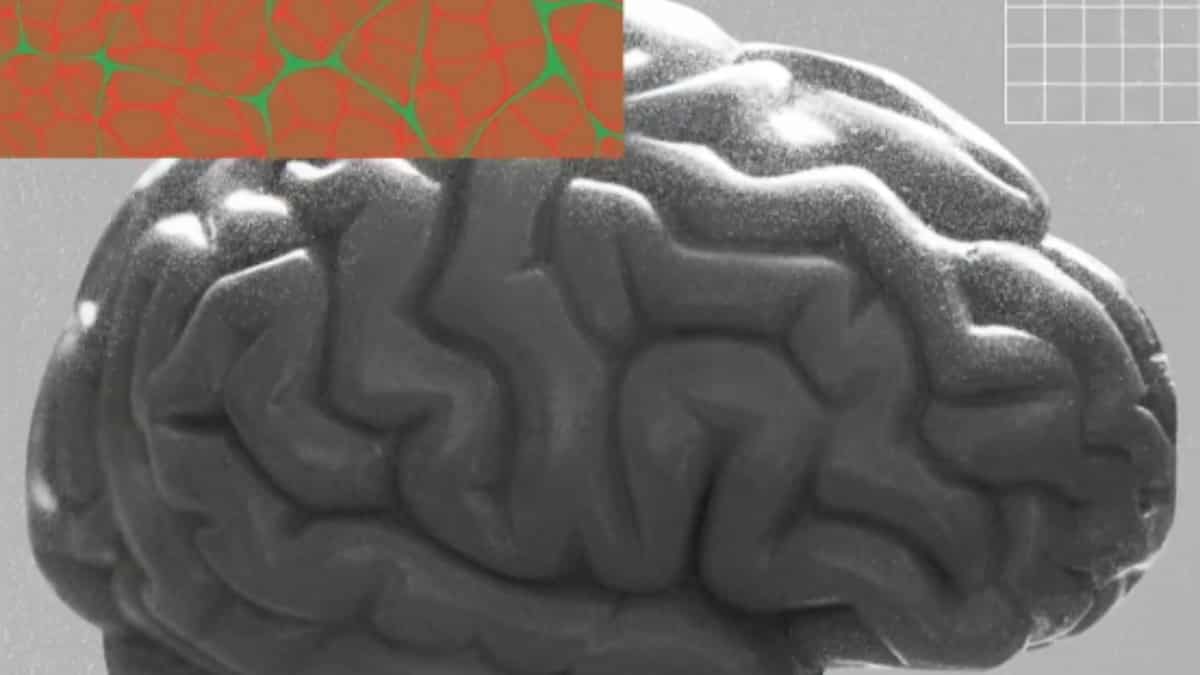
Researchers at Google developed advanced AI tools to construct an interactive 3D model of brain tissue.
Google and Harvard have unveiled the most detailed-ever map of the human brain. In a post on X last week, Google said that research from its connectomics team and Harvard revealed"surprising new insights about our human brain, using scientific imaging and our advanced AI (Artificial Intelligence)algorithms."
"By combining brain imaging with AI-based image processing and analysis, our teams have reconstructed nearly every cell and all of its connections within a small volume of human brain tissue about halfthe size of a grain of rice,"Googlesaid in a blog post on X on May 11.
"Thoughit'sof a small region of the brain, this 3D mappingnonetheless requires a monumental 1.4 petabytes (1.4 million gigabytes) to encode,"the American tech giant added.
What Google and Harvard found
Researchers at Harvard began their workby collecting thousands ofextremely thincross-sectional images from a donated brain sample."The small piece of healthy brain had to be removed during surgery on a woman with epilepsy to allow surgeons to reach the part they needed to operate on. A small piece of that otherwise discarded tissue was preserved as part of an IRB-approved study for later analysis,"the post said.
Researchers at Google developed advanced AI toolsto construct an interactive 3D model of brain tissue.
"The model underscores how complex the human brain is: describing just this small sample — one-millionth of the total human brain and about 3 mm long — requires more than a million Gigabytes of data: 1.4 Petabytes.Thisis the largest dataset ever made of human brain structure at this resolution,"the post added.
The one cubic millimetre tissue samplecontained about 50,000 cells and about 150 million synapses — thepoints of connectionwhere signals cross from one neuron to another.
Whorls of Axons
Google and Harvard pointed out that a curious finding of their research wasthe occurrence of“axon whorls.”Axonsare the filamentous part of a nerve cell that carries a signal away from the cell.
Also watch |New US bill takes aim at Neurotech industry, aims to protect consumer brain data
"There is still a lot more to observe and understand from our reconstruction of this piece of human brain, and we hope other researchers will use the data to make additional discoveries,"the postfurthersaid.
Scientistsbelieve that by continuing research into thebrain’sconnections, they can eventuallyunderstand things like how memories form or what leads to neurological disorders and diseases like autism andAlzheimer’s.
(With inputs from agencies)