Earth could be warming at a faster pace than previously known: Study

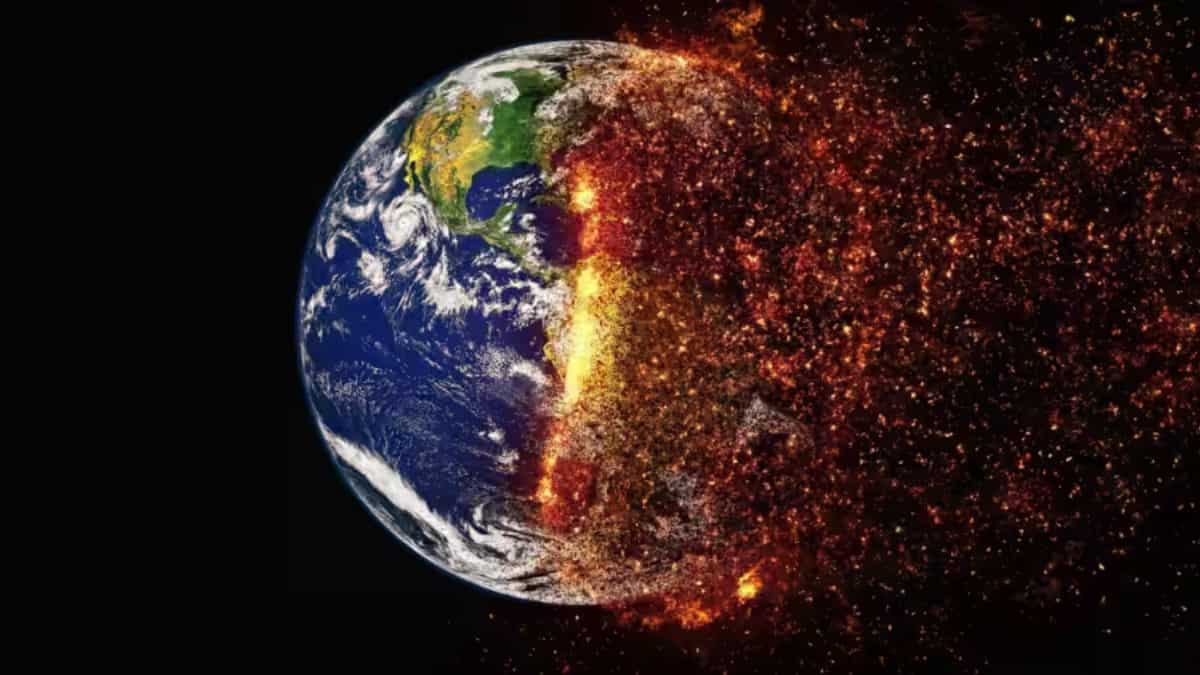
Global warming (Representative image)
Evidence has emerged to suggest an acceleration in Earth's warming trend, particularly in ocean temperatures, according to a recent study led by environmental scientist Audrey Minière of Paul Sabatier University in France. This comes amidst ongoing debates within the scientific community about the acceleration of global warming.
"Detecting an acceleration of Earth heating has remained elusive to date, despite suggestive evidence of a potential increase in heating rates," the researchers write in their paper published in Scientific Reports.
Earth is warming up but there could be a catch
Climate scientist Zeke Hasfather told the Associated Press that another study which suggested that the rate of warming has jumped by 50 per cent since 2010, is "not particularly well supported by the literature".
Current data implies an imminent breach of the global commitment to limit warming to 1.5°C, irrespective of whether heat increases are accelerating. The consequences are already apparent, with extreme weather events such as floods, fires, and storms intensifying.
As Hansen predicts, "There won't be any argument [by] late next spring, we'll be way off the trend line."
The research was published in Scientific Reports and underscored the urgency of addressing accelerated warming and its far-reaching impacts on the planet.
What is the current study stating?
The study says that more investigations are needed to attribute the changes related to the Earth's warming trends in terms of its alignment with a rise in Carbon dioxide levels.
Also watch |Global warming pushes ocean temperatures off the charts: Study
"The long-term acceleration of Earth warming aligns qualitatively with the rise in CO2 concentrations and the decline in aerosol concentration during the same period," Minière and colleagues explain.
"But further investigations are necessary to properly attribute these changes," they further say.
(With inputs from agencies)