Deep-sea mining bringing acute stress to Jellyfish, could reduce biodiversity

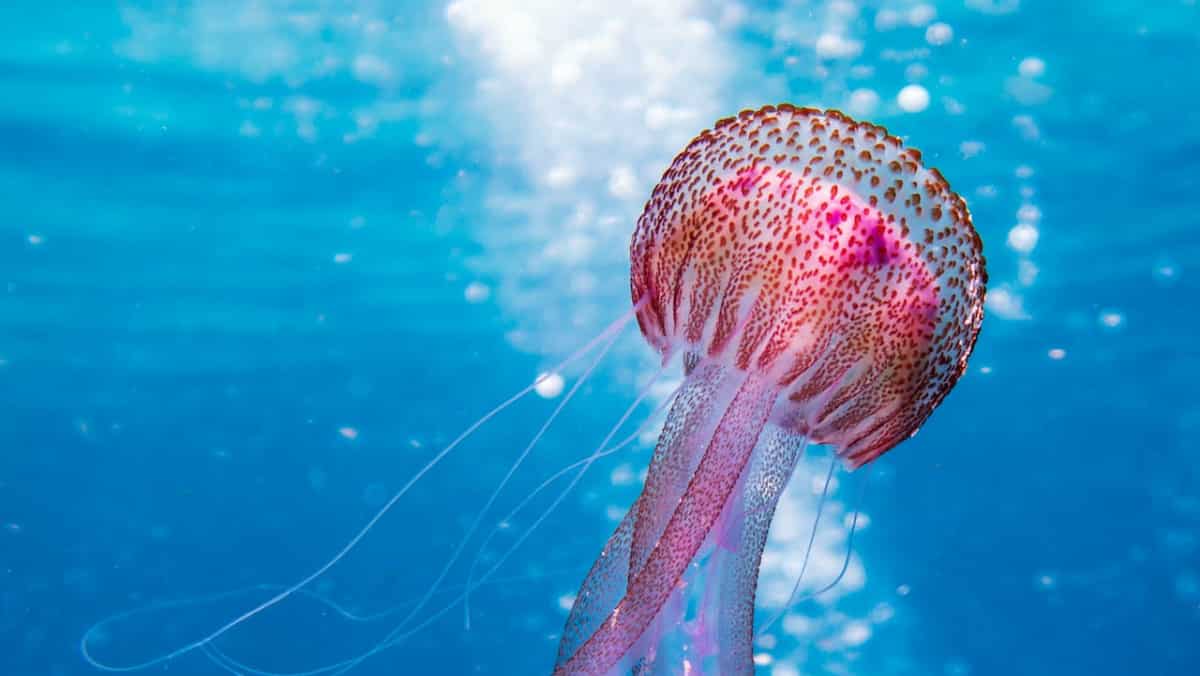
Jellyfish
A study on the effects of deep-sea mining has raised concerns about its potential harm to deep-sea jellyfish. The research, the first of its kind to examine mining impacts on animals in the water column, revealed that sediment stirred up from mining sites could trigger damaging stress responses in these marine organisms.
Many argue that commercial harvesting of the sea floor for minerals like cobalt and manganese is essential for supporting the production of electric vehicle batteries and electronics. However, at the same time, scientists have also cautioned that the potential impacts on deep-sea ecosystems remain inadequately understood, media reports said. There is a lack of comprehensive knowledge as so far the focus has only been on the impact on the seabed. Because of this, the water column as far as marine organisms like jellyfish is concerned, it has been left relatively unexplored.
The latest study is co-led by marine ecologist Vanessa Stenvers at the GEOMAR Helmholtz Centre for Ocean Research Kiel in Germany. Researchers have specifically analysed deep-sea helmet jellyfish (Periphylla periphylla) from Norwegian fjords for this latest study.
Using testing tanks on their research ship, the team exposed 64 jellyfish to sediment concentrations simulating those at mining sites, ranging from zero (control) to 333 milligrams per litre (mg/l).
Findings of the study
At sediment concentrations exceeding 17 mg/l, the jellyfish exhibited signs of acute stress, including sediment particles sticking to their bodies and heightened mucus production. The excessive mucus, a common stress response for jellyfish, could pose a threat to their health if exposed to sediment over extended periods, according to the researchers.
Watch |Is violence hurting Bangladesh's economy?
“Food in the deep sea is very scarce. If there’s no extra energy coming in; this could potentially lead to starvation,” Stenvers added.
The study also revealed that jellyfish at higher sediment concentrations doubled their respiration rate, indicating an increased need for energy. Those producing excessive mucus exhibited overexpression of genes related to energy metabolism, wound repair, and the immune system, the study noted.
The research also pointed out that if other gelatinous organisms in the deep ocean respond similarly, the potential consequences of commercial sea floor harvesting may extend to reduced biodiversity and threats to critical ecosystem functions, such as carbon sequestration and nutrient cycling.
(With inputs from agencies)