Union Budget 2026: Three ‘Kartavyas’ drive Sunrise Industries and Energy Security – 5 must-know takeaways

&imwidth=600&imheight=450&format=webp&quality=medium "Union Budget 2026: Three ‘Kartavyas’ drive Sunrise Industries and Energy Security – 5 must-know takeaways")
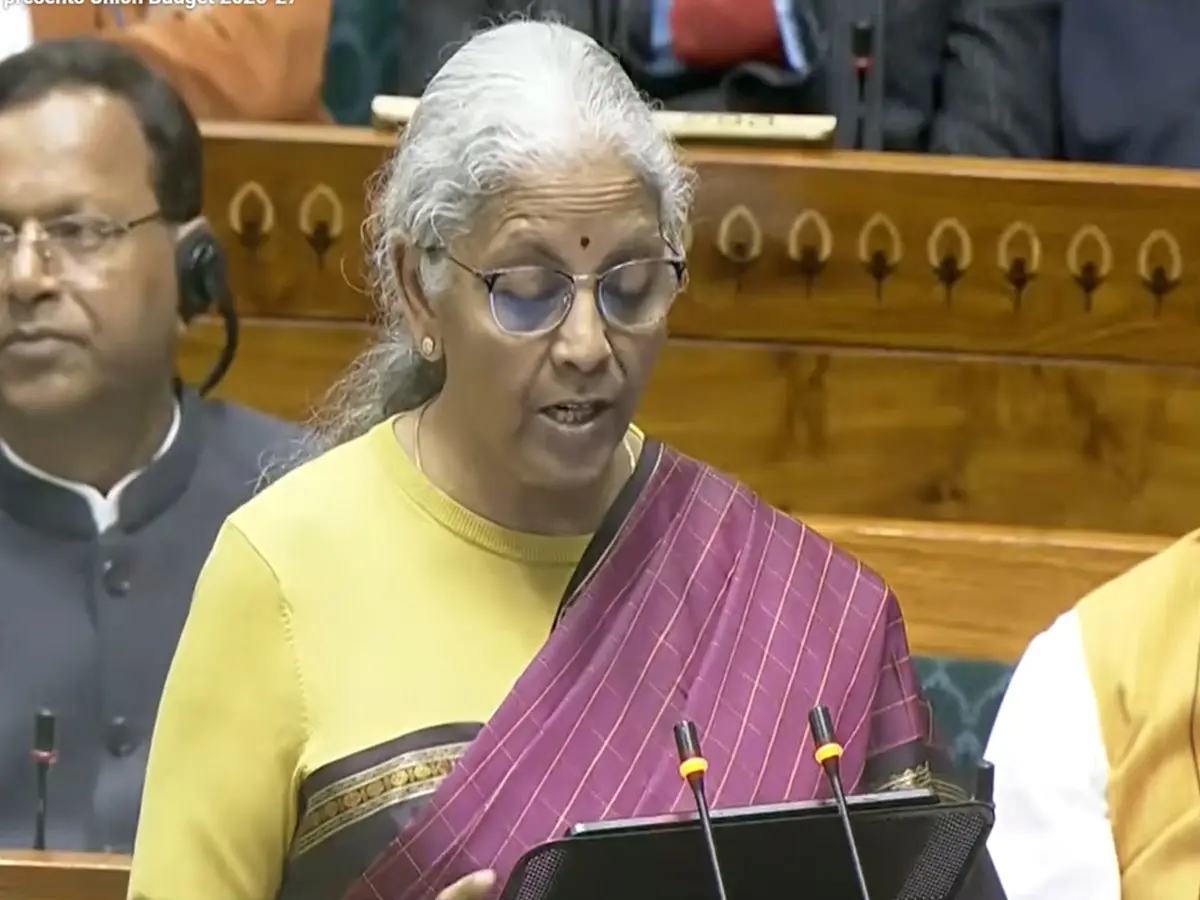
Union Finance Minister Nirmala Sitharaman Photograph: (ANI)
The Union Budget 2026, presented amid global economic uncertainties, lays out a clear roadmap for India's growth, with a sharp focus on the energy sector as a driver of progress.
Delhi looked cloudy with chilling winds rattling around, but Sunday appeared warm when Finance Minister Nirmala Sitharaman presented her ninth consecutive Union Budget 2026 and brought blazing sunshine for “Sunrise Sectors”—rapidly growing technology-driven industries expected to elevate India to a USD 30 trillion economy, and set to add much-needed spin to PM Modi's Viksit Bharat mission. Renewable energy is a premier "Sunrise Sector" in India, characterized by high growth potential with rapid innovation. The Union Budget 2026 has rolled out strong backing to achieve 500 GW of non-fossil capacity by 2030. Wearing a handwoven Kancheepuram Silk Sari, honouring Tamil Nadu's age-old weaving legacy as well as underlining the significance of Kanyakumari Nuclear project advances, the Finance Minister has provided substantial allocations for the power and renewable energy sector, including continued support for coal-based generation alongside renewables, hydro and pumped storage, to balance energy security, grid stability and the clean energy transition, aiming at "Make in India" in the clean-tech sector, and reduce reliance on fossil fuels.
The Union Budget 2026, presented amid global economic uncertainties, lays out a clear roadmap for India's growth, with a sharp focus on the energy sector as a driver of progress. Here are five major key takeaways that underline how the budget supports economic resilience, green initiatives and national self-reliance.
In essence, the Union Budget 2026 strikes a fine balance between immediate economic needs and long-term sustainability, with the energy sector at its heart. By backing renewables, nuclear and clean technologies, it not only drives growth but also cements India's role in the global fight against climate change. As the nation marches towards Viksit Bharat, these measures promise a brighter, greener future for all and signify India’s premier climate momentum of One Sun, One World and One Grid.