

&imwidth=800&imheight=600&format=webp&quality=medium "Civilisational statecraft and India’s diplomatic tradition in a multipolar world")
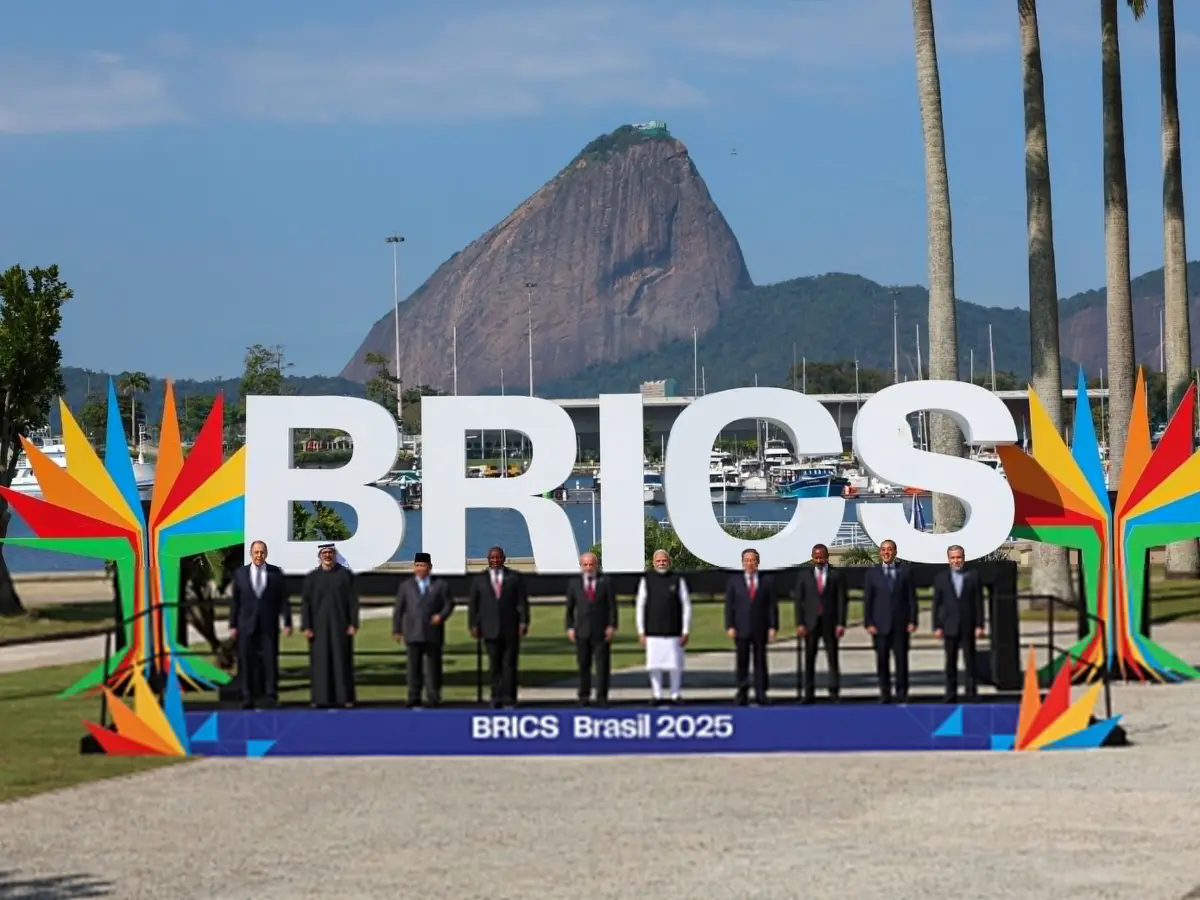
As India’s recent state election cycle comes to an end, attention is likely to shift once again to the international stage. The forthcoming Quadrilateral Security Dialogue Foreign Ministers’ Meeting in New Delhi, preparations relating to future BRICS Summit engagements, the India–Africa Summit, and a series of high-level diplomatic initiatives involving Prime Minister Narendra Modi, External Affairs Minister Subrahmanyam Jaishankar and other senior ministers are expected to underline India’s expanding global role.
At a time when the international system is becoming increasingly fragmented and multipolar, these developments also invite reflection on a larger question: whether India’s own civilisational traditions and strategic culture may offer insights into navigating a more uncertain world order.
In recent years, geopolitical debates across many countries have increasingly invoked the language of civilisation and identity. Yet there is an important distinction between using civilisation as an instrument of rivalry and understanding civilisation as a source of strategic and ethical reflection.
At its best, civilisational thinking does not encourage triumphalism or cultural confrontation. Rather, it provides deeper frameworks for understanding diplomacy, restraint, legitimacy, coexistence, and the responsible exercise of power.
For India, some of these traditions are embedded in texts such as the Mahabharata, the Ramayana, and the Tirukkural. While rooted in different historical and cultural contexts, they continue to offer remarkably sophisticated reflections on statecraft, political conduct, leadership, negotiation, ethics, and power.
The Mahabharata in particular is far more than an epic of war. It is also a profound meditation on diplomacy, moral ambiguity, political failure, and the tragic consequences of the breakdown of order. Before conflict becomes inevitable, repeated efforts are made to preserve peace through negotiation, compromise, mediation, and restraint.
Trending Stories
&imwidth=180&imheight=135&format=webp&quality=medium)
US charges two former FBI officials with lying to Congress about Hunter Biden probes. 'Politically motivated' Trump grievance or something else?
&imwidth=180&imheight=135&format=webp&quality=medium)
Tu Hai Meri Kiran film review: Sonakshi Sinha and Zaheer Iqbal's thriller gets tangled in its own twists
&imwidth=180&imheight=135&format=webp&quality=medium)
IND vs NZ 2nd T20I: Shreyas Iyer on brink of breaking Rohit Sharma’s record
&imwidth=180&imheight=135&format=webp&quality=medium)
Did Neha Bora call for Bangladesh-like GenZ protest, 'anarchy' in India? WION Fact-checks viral claim
&imwidth=180&imheight=135&format=webp&quality=medium)
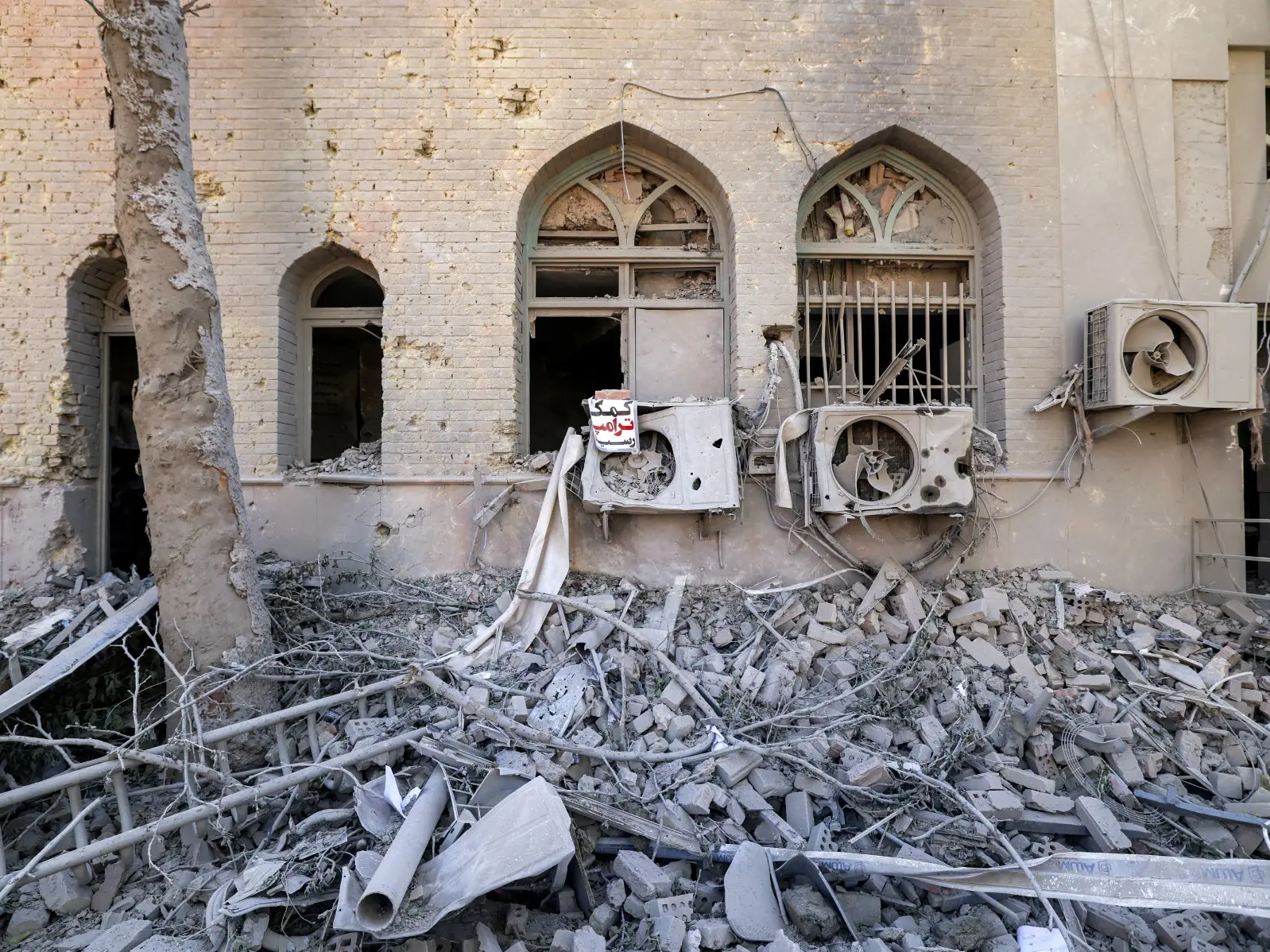
Will the US attack Iran this weekend? Trump's envoy says, 'absolutely'
&imwidth=180&imheight=135&format=webp&quality=medium)
Global cybersecurity alert: PHP flaws trigger website shutdowns as hack attempts surge into millions
&imwidth=180&imheight=135&format=webp&quality=medium)
US Navy, Marine Corps boards defy Trump's transgender military ban, vote to retain troops
&imwidth=180&imheight=135&format=webp&quality=medium)
Fauzi teaser out: Prabhas takes on the British Empire in patriotic avatar | Watch
&imwidth=180&imheight=135&format=webp&quality=medium)
Viral video shows cross falling on Colombia priest, no official confirmation | WATCH
&imwidth=180&imheight=135&format=webp&quality=medium)
Google Fitbit Air’s new health guardian feature tracks trends: How it works
&imwidth=180&imheight=135&format=webp&quality=medium)
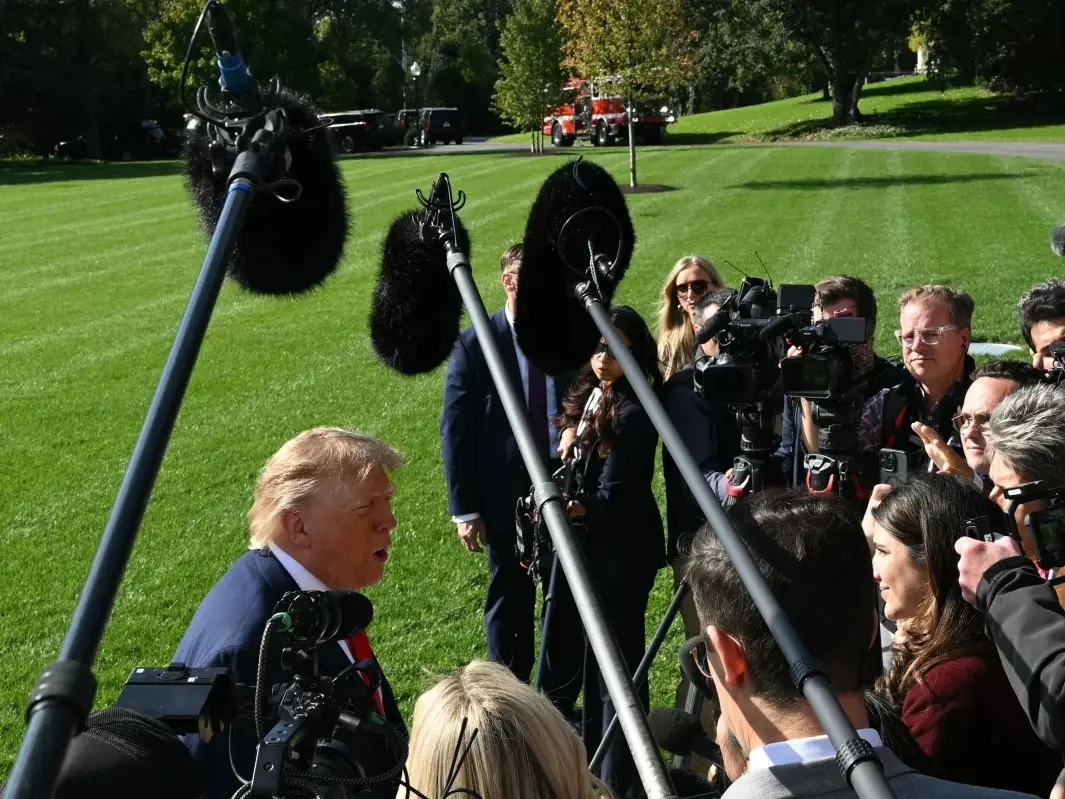
'You’re a horrible little reporter, aren’t you?': Trump snaps at NBC reporter questioning his support for Ramaswamy's campaign ad
&imwidth=180&imheight=135&format=webp&quality=medium)
'Black triangle' UFO flying at 1,800mph spotted over sensitive US site: Latest Trump admin UFO file dump
&imwidth=180&imheight=135&format=webp&quality=medium)
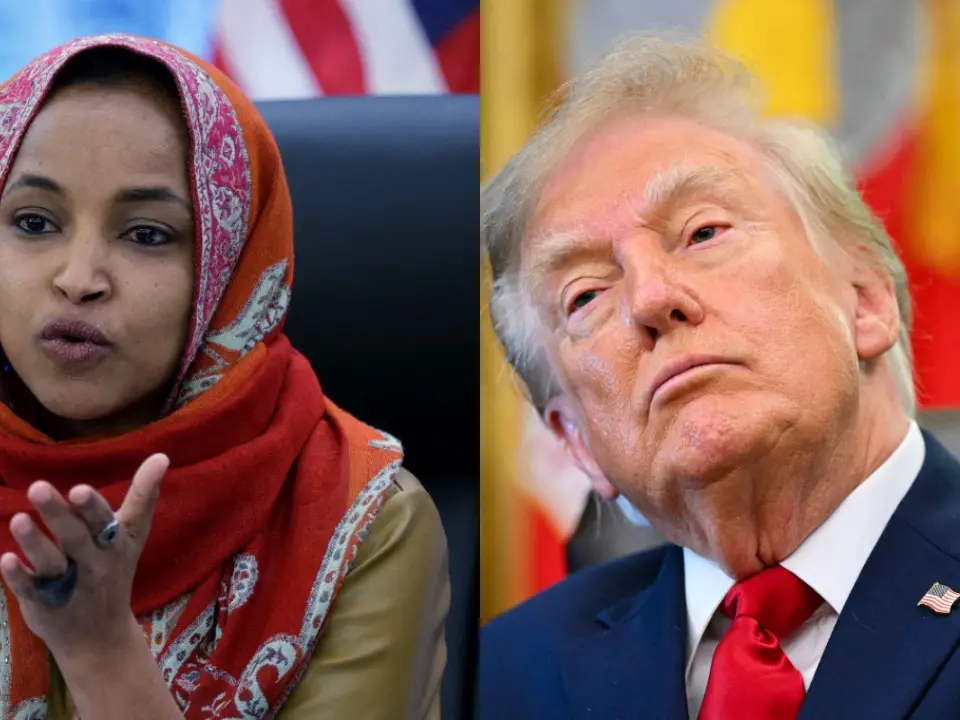
'My name has always been Ilhan Omar': Congresswoman hits back at Trump, calls him a 'creep'
&imwidth=180&imheight=135&format=webp&quality=medium)
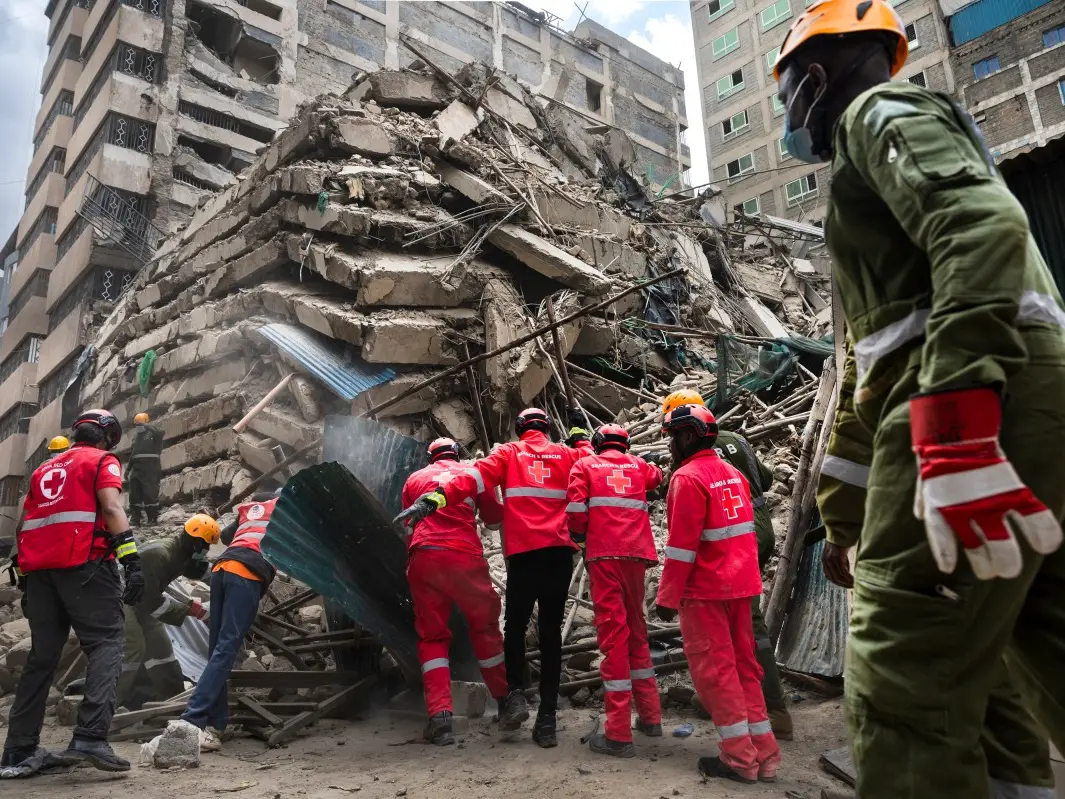
Nairobi building collapse: Several feared trapped after 16-storey structure crumbles; rescue operation underway
&imwidth=180&imheight=135&format=webp&quality=medium)
Chemical warehouse explosion in Mexico: Several injured in multiple blasts, 1,000 evacuated in León
&imwidth=180&imheight=135&format=webp&quality=medium)
AI deepfakes are spreading online: Why is removing them so difficult?
&imwidth=180&imheight=135&format=webp&quality=medium)
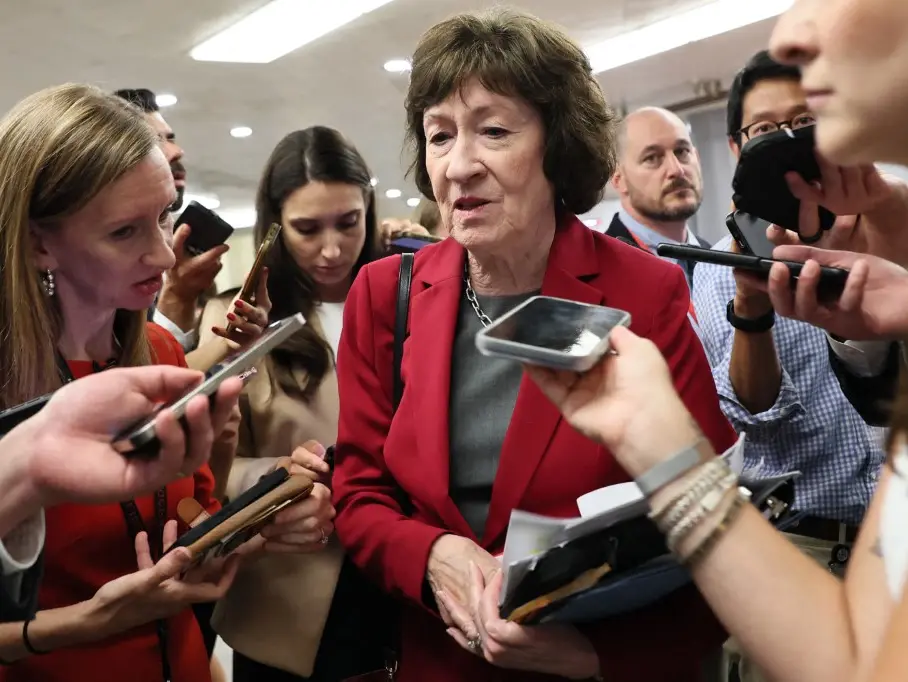
US midterms 2026: Trump revises Canada tariffs as Susan Collins faces tight re-election race in Maine
&imwidth=180&imheight=135&format=webp&quality=medium)
Anthropic security chief issues grim cyberattack warning: ‘It’s going to get a lot worse’
&im=FitAndFill=(700,400)&imwidth=180&imheight=135&format=webp&quality=medium)
How smart robots and AI assemble vehicles in 20 hours
&imwidth=180&imheight=135&format=webp&quality=medium)
Pakistan airline PIA unveils new crew uniforms, faces online criticism
&imwidth=180&imheight=135&format=webp&quality=medium)
IND-W vs ZIM-W, 1st ODI: Rawal, Charani star in India’s nine-wicket win over Zimbabwe
&imwidth=180&imheight=135&format=webp&quality=medium)
Emmanuel Macron calls Paris suburb shooting a 'racist terrorist attack' after one killed, several injured
&imwidth=180&imheight=135&format=webp&quality=medium)
Gravitas | US attack could trigger WW III: Russian planes in Tehran, Israeli jets, US warships in action
&imwidth=180&imheight=135&format=webp&quality=medium)
Horrific video shows the moment 18-year-old fell to her death from Mexico amusement park ride
&imwidth=180&imheight=135&format=webp&quality=medium)
China's dancing robot turns violent bodyguard, lifts cars and fights intruders - Watch
&imwidth=180&imheight=135&format=webp&quality=medium)
US midterms 2026: Viral video claims Lindsey Graham paid underage men for sex; clip released weeks before his sister's Senate race
&imwidth=180&imheight=135&format=webp&quality=medium)
First Lady Melania Trump secures ceasefire between Russia, Ukraine in Oleshky: White House
&im=FitAndFill=(700,400)&imwidth=180&imheight=135&format=webp&quality=medium)
New Friday OTT releases (October 23, 2026): Gajab Raat, Dorothy, Chaar Yaar- Watch these 6 new movies and TV shows on Netflix, Prime Video and more
&imwidth=180&imheight=135&format=webp&quality=medium)
French Open: PV Sindhu storms into final with win over Hina Akechi
&imwidth=180&imheight=135&format=webp&quality=medium)
'Already tired of his 9-to-5': Baby born with a moustache becomes internet sensation, video goes viral | Watch
&imwidth=180&imheight=135&format=webp&quality=medium)
India-China face-off continues near Arunachal’s Taksing, reveals ITBP chief in first official confirmation of tensions
&imwidth=180&imheight=135&format=webp&quality=medium)
Negotiators from Ukraine, Russia, United States to meet in Abu Dhabi: Zelensky
&imwidth=180&imheight=135&format=webp&quality=medium)
Farooq Abdullah says Pakistan’s raising of Kashmir issue keeps pressure on Delhi
&imwidth=180&imheight=135&format=webp&quality=medium)
Massive 7.2 magnitude quake off Vanuatu triggers tsunami warning for coasts within 300 km
The epic recognises that power is necessary in political life. Yet it also warns that power exercised without wisdom, self-restraint, or ethical purpose can ultimately destroy the very order it seeks to defend. In this sense, the Mahabharata does not romanticise conflict; rather, it portrays the terrible costs that arise when political systems lose the capacity for balance and accommodation.
The Ramayana, though different in tone and structure, also places considerable emphasis on legitimacy, ethical leadership, alliances, loyalty, and responsibility. Leadership is presented not merely as authority, but as a moral obligation linked to justice, trust, and social order.
Similarly, the Tirukkural offers one of the most concise and sophisticated reflections on governance and ethical conduct in the Indian intellectual tradition. Its observations on prudent leadership, diplomacy, learning, justice, and measured conduct remain strikingly relevant even in contemporary political life.
Taken together, these traditions suggest a strategic culture that values:
- restraint alongside strength
- diplomacy alongside deterrence
- legitimacy alongside power
- and coexistence alongside competition
Such ideas may have renewed relevance in an era where international politics is becoming increasingly transactional, polarised, and unstable.
For countries such as India, which must simultaneously navigate major power competition, regional instability, economic transformation, and expanding international expectations, strategic maturity will depend not only on material capability but also on intellectual confidence and diplomatic balance. Civilisational frameworks should therefore not be reduced to instruments of geopolitical assertion or cultural rivalry. Used wisely, they can instead serve as intellectual resources that encourage strategic patience, pluralism, restraint, and a more balanced understanding of power and responsibility.
As the world moves deeper into a multipolar era, there may be value in revisiting traditions that recognise both the necessity and the limits of power. In that respect, India’s civilisational inheritance may still have an important contribution to make—not only to its own foreign policy thinking, but also to wider global discussions on how states can pursue strength without abandoning restraint, and competition without losing the capacity for coexistence.
