Tibetans seek autonomy, not political separation from China: Dalai Lama

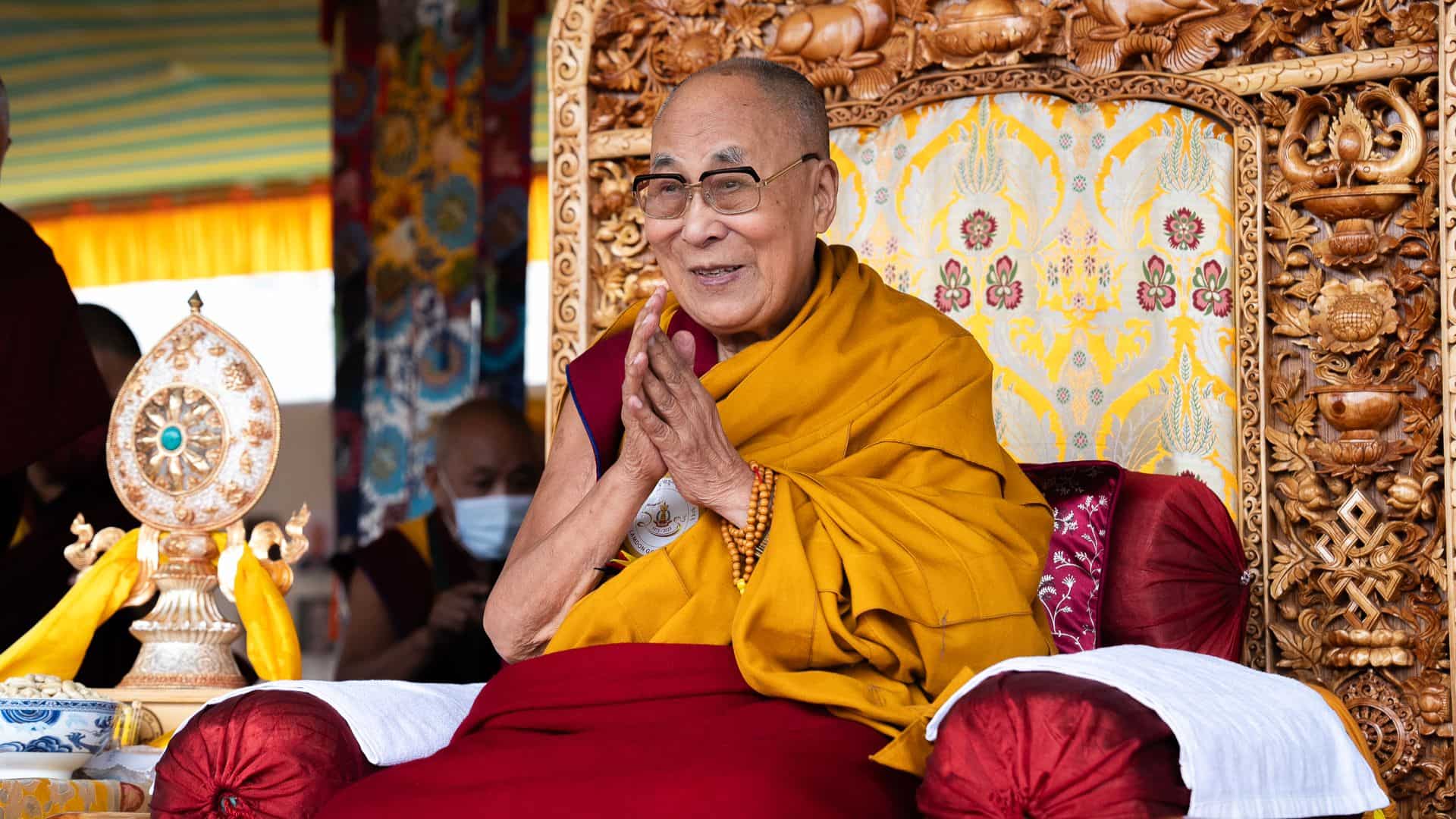
The Dalai Lama attending a school cultural event in Leh, Ladakh.
The Dalai Lama said in a latest discussion with reporters at his residence in Dharamshala that Tibetans are seeking greater autonomy rather than political separation from China.He expressed his desire to eventually visit Lhasa but indicated his preference to continue living in India's Dharamsala.
The discussiontook place before a demanding series of visitsacross India, which include planned visits to Sikkim, Karnataka, and Bodh Gaya in Bihar later this year, reported the Hindu.
The Dalai Lama reiterated his previous conciliatory statements, but China has consistently rejected these remarks, accusing the Dalai Lama, who has been in exile in India since 1959, of promoting separatism and being a "splittist."
Addressing the altitude challenges faced by many visitors to Tibet, the Dalai Lama shared, "China is also now changing... I think many people [in Tibet] love me... similarly many Chinese love me... and so they want me to go back [to Tibet]. But I do not want to stay there. Lhasa is very high…Dharamshala’s height is very suitable for my physical condition now." His statement marks the practical considerations of living in Tibet's high-altitude environment, which can be physically demanding, particularly for the aged.
Also watch |Indian govt: New China's map show Indian state within Chinese border
Spiritual roots in India
The Dalai Lama's spiritual journey is a tale of two homelands. Paying homage to the ancient seat of Buddhist teachings in India, he remarked, "I was born in Tibet, but my spiritual knowledge is from here, from Nalanda in India." He went on to say, "So half my body is from here at least," highlighting the profound influence that India has had on his spiritual growth.
Despite his age, the Dalai Lama continues to connect with the public. He has been actively meeting people daily during the post-COVID period, extending his greetings to crowds from his golf cart and receiving the reverence of countless Buddhist devotees and international visitors who come to pay their respects.
Upcoming engagements and diplomatic sensitivities
According to the Central Tibetan Administration (CTA), responsible for overseeing the Tibetan exile population, the Dalai Lama is scheduled to commence daily teachings in Dharamshala from October 2, reported The Hindu.
Later, he plans to depart for Gangtok on October 10, where he will engage in discourses near the Chinese border and the Doklam plateau, a region that witnessed a standoff between Indian and Chinese soldiers in 2017. This year, he also spent a month in Ladakh, a routine practice for him.
Furthermore, the Dalai Lama is set to travel to Bylakuppe in Karnataka, which is home to the second-largest Tibetan refugee settlement after Dharamshala. During this visit, he is expected to be joined by former USPresident Barack Obama.
China's ongoing concerns
China has previously expressed its objections to the Dalai Lama's interactions with senior USofficials, consistently protesting against what it perceives as contacts between "external forces" and "Tibetan Independence" advocates. This includes a recent meeting between the Dalai Lama and the USUnder Secretary for Civilian Security, democracy, and Human Rights, Uzra Zeya, who also holds the position of USSpecial Coordinator for Tibetan Issues.
WATCH WION LIVE HERE: