This Indian state bans artificial colours in cotton candy and Gobi Manchurian. Here's why

Karnataka
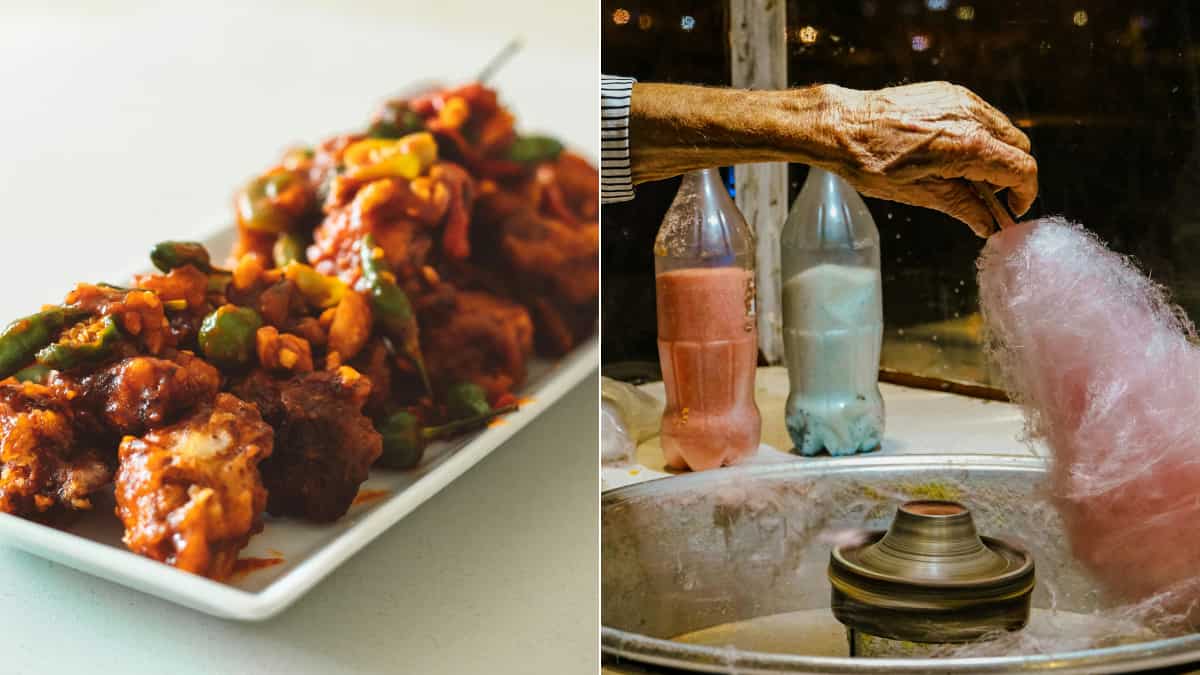
The government in the Indian state of Karnataka has banned the use of artificial colours in the popular 'Gobi Manchurian' dish and cotton candyover serious health concerns. Dinesh Gundu Rao, who is the minister for health and family welfare, made this announcement in the Vidhana Soudha.
Several concerns were raised over the quality of artificial colours and their excess usage, forcing the food safety and quality department to collect samples of Gobi Manchurian and cotton candy being sold across the state. The samples were analysed in laboratories.
The Food Safety Commissioner ordered a ban on the usage of any artificial colours in preparation for Gobi Manchurian based on the lab results which found them carcinogenic.
Rao said, "171 samples of Gobi Manchurian were collected, among which, 107 samples contained unsafe artificial colours. The unsafe colours such as tartrazine, sunset yellow and carmoisine were found."
The minister further said, "About 25 cotton candy samples were collected and 15 samples contained unsafe colours. In this, tartrazine, sunset yellow and Rhodamine –B unsafe colours were found."
"Rhodamine-B is carcinogenic. It can cause cancer if you consume it regularly and is banned. This is a serious issue as children often consume cotton candy. The use of this colour is illegal. It was used to get the pink colour for the cotton candy," he explained.
Watch:Electoral bonds: India's SC rejects SBI's electoral bonds plea
The health minister stated that the circular in this regard has been issued and awareness programmes will also be held and the government will take strict legal action. Further samples would be collected to initiate legal proceedings.
The artificial colours are unsafe under Guidelines 3(1) of the Food Safety and Standards Act, 2006. As per Rule 16.0 of the Food Safety and Standards (Food Products Standards and Food Additives) Regulations, 2011, no artificial colours should be used to prepare the Gobi Manchurian dish.
The authorities may lodge a case in the court in case of any violation under the Food Safety and Standards Act. The case attracts punishment of imprisonment of five years to life sentence and also a fine.
The order stated that "prolonged usage of artificial colours in food and its consumption can lead to deadly diseases like cancer" and the public has been advised not to use any artificial colours in food or to use them in limited quantities.
(With inputs from agencies)