South American weed gives Indian elephants a run for their habitat

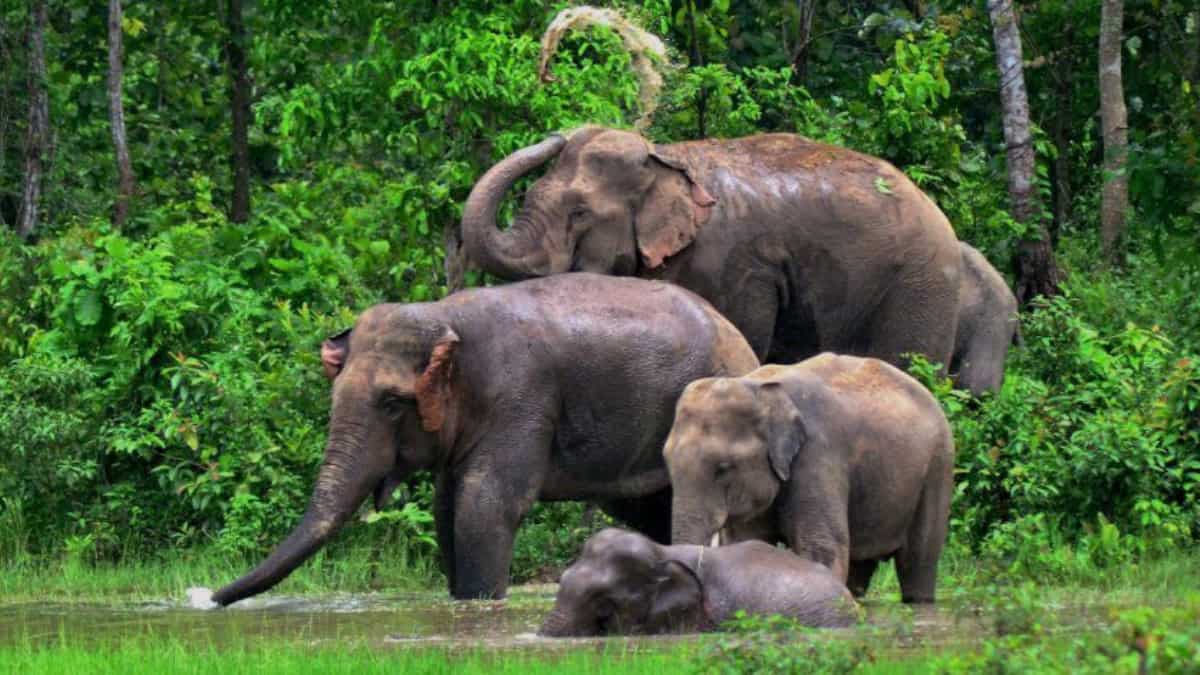
A group of Elephants in India's Tamil Nadu state | Representative
An aquatic weed with origins in Central and South American countries is posing a threat to the habitatsof elephants inTamil Nadu state in southern India. This weed, known as Ludwigia peruviana, has rapidly infested the majority of swamps in the area, where elephants previously used to find edible grass even during dry months.
According to a report in The Hindu, the state forest department clarified that most of these swamps are situated in private estates where they were purportedly sown for ornamental purposes.Incorrect removal attempts could inadvertently facilitate its spread even further.
The weed's invasion has limited the growth of native grasses and plants that elephants and other animals, like gaur, rely on for sustenance.
Where exactly is weed invasion affecting habitat of elephants?
The invasion is reportedly more intense in Valparai, within the Annamalai Tiger Reserve. The area serves as crucial habitat for elephants that migrate between Tamil Nadu and Kerala states.
Until the recent past, the region was known for human-elephant conflicts. But the vigilance of forest departments of Tamil Nadu and Kerala states has been largely effective in preventing such conflicts.
The last human death due to an elephant attack occurred over two years ago on June 4, 2021, according to The Hindu newspaper.
What are swamps?
Swamps are vital habitats that support various wildlife, including amphibians and otters, in addition to large herbivorous animals.
They act as important water storage areas that require preservation. However, the invasion of swamps by Ludwigia disrupts the natural ecosystem, leading to wild animals' migration to other regions.
Also watch| Foreign vets rush to Pakistan to save an ailing elephant | Inside South Asia
Ludwigia is among the 22 priority invasive plants in Tamil Nadu.The focus of the state's removal efforts is primarily on other invasive species such as Lantana camara, Senna spectabilis, and Acacia mearnsii (wattle) while removal ofLudwigiais emerging as the responsibility of private estate owners under a law to protect forests in the state.
The elimination ofLudwigia presents a unique challenge compared to other invasive plants because it grows in swamps, limiting the use of machinery to tackle the problem without damaging the ecosystem further. Even manual removal is tricky as the plant breaks easily, and new growth can emerge from the root or broken stems that fall back into the swamp.
WATCH WION LIVE HERE
You can now write for wionews.com and be a part of the community. Share your stories and opinions with us here.