Ram Temple consecration: History and significance of Kashi Dom Raja and Yajmans

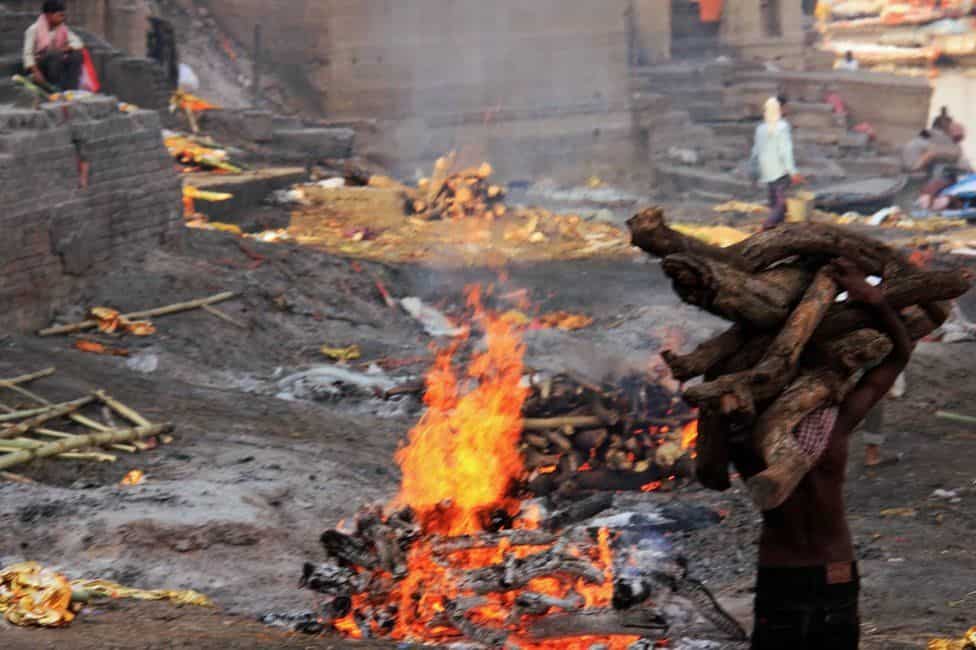
The consecration ceremony of Ayodhya Ram Temple is witnessing the participation of 15 hosts or ‘Yajmans’, which also includes the family of Kashi Dom Raja. Doms are said to be the keepers of the sacred flame revered by Hindus after the departure of their loved ones. The 300-people-strong community resides on the cremation ghats of Varanasi and is known as corpse burners.
Who is Dom Raja?
Dom Raja is the leader of a two-tier hierarchy of Doms—who are given the duties of burning the corpses at the ghat as per the roster. The Dom Raja presides over the sacred fire that has been burning for decades in his hearth. No matchstick is used to burn the corpses on the ghat but the sacred fire from Dom Raja, which makes the community essential for keeping the Hindu tradition alive.
Watch:Ayodhya Ram Mandir Inauguration: Lord Ram devotees celebrate around the world
As per Hindu belief, performing last ritesat Varanasi cremationghatsliberates one from the everlasting cycle of life and death.
Doms used to have complete monopoly and authority over the Varanasi ghats decades ago. But it ended some years backafter several protests broke out against Doms, accusing them of extortion.
The tradition is the only means of livelihood for some 300 people in the community. “Cremation is the only thing that we can do and which we have been doing since ages. It is the only source of income for us,” a Dom member was quoted as saying by Hindustan Times in a 2022 report.
“Our family depends upon the income from the cremation, be it what we get from family members while performing last rites, or what we get in the form of gold through the ashes.”
Who are Yajmans?
According to sacred Hindu text, Yajman is a person who presides over a Vedic sacrifice or Yajna and is assisted by a priest. Yajman is a person who becomes part of the deity. Once the Yajna is over, the Yajman offers Dakshina to the priest.
Yajna is a sacrifice and puranic puja of divine entities, through which we invoke the blessings of the Gods and Goddesses. It’s an essential ritual of the Hindu society, which begins with the setting up of the fire altar by pouring ghee while reciting mantras or verses.
(With inputs from agencies)