Opinion: Does India need more oil refineries or is it politics?

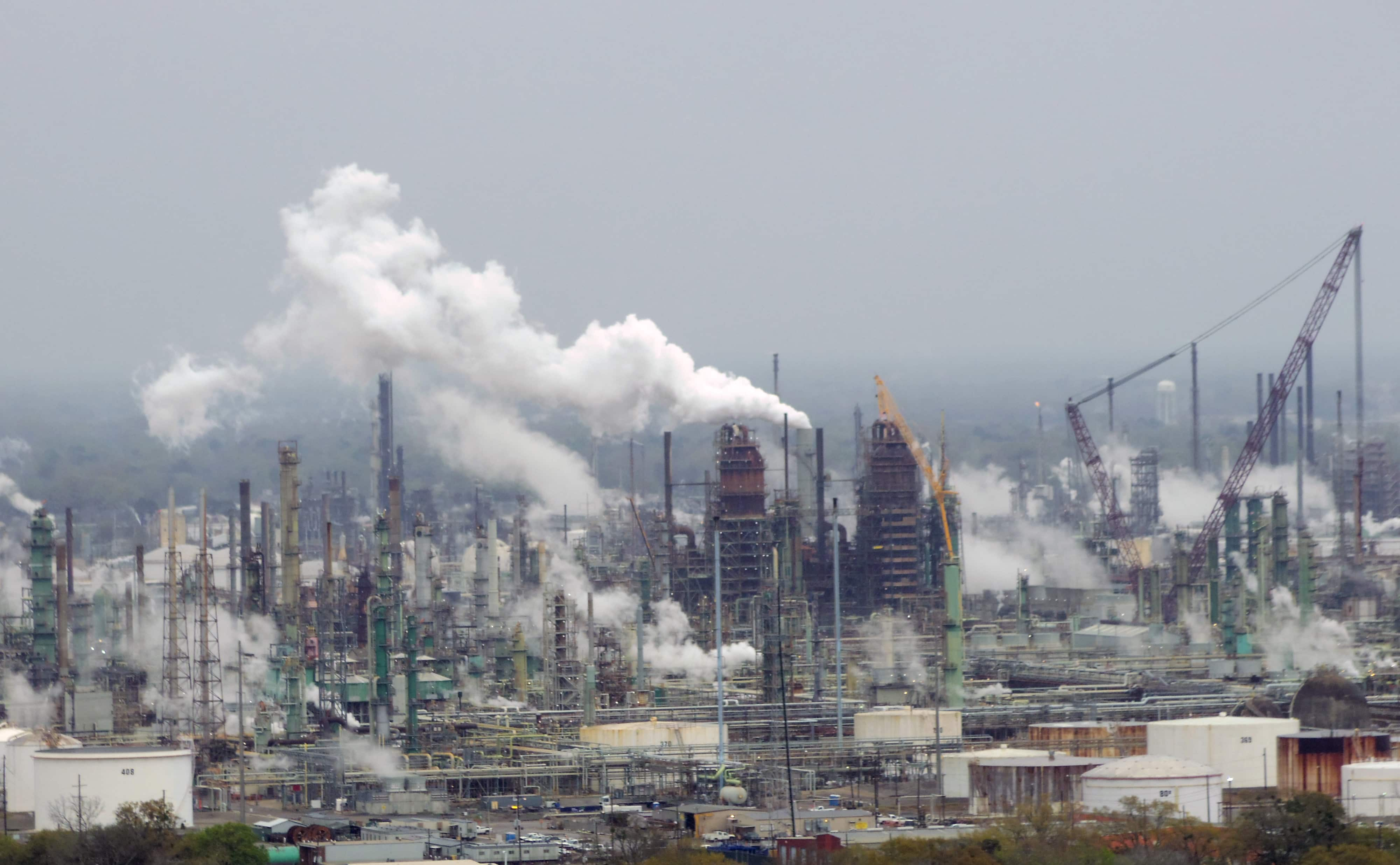
Oil refineries
The government can argue that such investments in new refineries are part of its infrastructure push and it will create jobs etc., but we all understand there is huge political rhetoric behind each such decision.
A few days back, PM Modi inaugurated a new oil refinery in Barmer (Rajasthan) with much fanfare. He also staged a rally there. Rajasthan is going to poll this year and since it is on the radar of Modi, holding a rally was an obvious choice.
The refinery's foundation stone was originally laid in September 2013 by Sonia Gandhi but work never saw the light of the day. During the latter part of the previous decade, Rajasthan made an emphatic entry in India’s oil scenario when Cairn India (now part of Vedanta Group) started substantial oil production there. The field is significant as it is producing around 25% of pan-India crude production and it only makes sense to have a refinery right adjacent to oil producing field.
Currently, the crude oil produced in Rajasthan is being transported to the west coast by pipeline and from there it is going to various refineries in the country.
But does it really make sense to have more refineries in India? Well, let’s try to assess. Currently, India has an installed refining capacity of 235 MMTPA (Million Metric Tonne) per annum and they processed 250 MMT crude in the year 2017. Here, one thing is worth mentioning, out of this 250 MMT crude oil processed, India has produced only 40 MMT. Therefore, 210 MMT crude oil processed was imported, which is whopping 84% of total refined crude.
Though India’s oil consumption has grown with a CAGR of around 5.4% over the past five years, still the total consumption was 200 MMT in 2017. India, thus, still has a huge surplus refining capacity and, currently, India is exporting finished petroleum products.
In all probability, the growth rate in consumption is bound to decline in the years to come because of the growing use of natural gas, biofuels and electric vehicles. Surface Transport Minister Nitin Gadkari has already made his intentions clear for a mega push on electric vehicles and a complete switchover by the decade of 2030. Railways have made its intention clear that it will push electric loco instead of diesel loco in days to come.
Look at the other aspects now. Already setting up of a mega 60 MMPTA refinery is in pipeline at the west coast by a consortium of IOC, BPC and HPC, 40 MMTPA of which is likely to be up and running by 2022-23. So by the year 2022, when country’s demand will touch 240-245 MMTPA the refining capacity will go up to 280 MMTPA. Please note that here expansion plans of various existing refineries have not been factored in which will further add to the capacity.
So oil companies need to depend on the export of finished products in order to run their refineries at full capacity. In a scenario when there is no dearth of refining capacity globally, finding a market for this won’t be so easy. Apart from that Indian refiners struggle to maintain good GRM (Gross Refinery Margin, a benchmark world over for refinery’s efficiency), which is essential to be competitive in the world market. Moreover, it does not make good sense that we import crude from outside, process it and then export the finished product.
In fact, the need of the hour is to give a decisive push to enhance crude production. The GOI needs to seriously look into what flagship oil producer ONGC is up to and how it can become more productive. Notwithstanding the argument that oil discovery and production is an arduous task, the fact remains that after Bombay High in the early eighties, ONGC has not made any significant oil discovery till date. i.e., for around 35 years.
So as our current refining capacity is 235 MMTPA and Crude oil production is 40 MMTPA. What we need to do is to reduce the gap of 235 and 40 by increasing oil production, we instead are further increasing 235.
The government can argue that such investments in new refineries are part of its infrastructure push and it will create jobs etc., but we all understand there is huge political rhetoric behind each such decision. Bottom-line is that the money spent by PSUs/GOI is taxpayer’s money at the end of the day. It would be extremely sad if that money spent does not bring true value to the nation in the longer run to come.
(Disclaimer: The opinions expressed above are the personal views of the author and do not reflect the views of ZMCL)