


In a move aimed at addressing growing discontent among party legislators following the recent cabinet expansion, the National Conference (NC) has decided to constitute informal advisory groups of legislators to strengthen coordination between the party and the government. NC President Dr Farooq Abdullah has initiated the process of forming these groups, which will be attached to individual ministers and act as a bridge between the party's elected representatives and the government.
In a letter addressed to all party legislators, Dr Abdullah said the decision was taken during a recent meeting with them. The proposed groups will facilitate regular interaction between ministers and legislators, ensuring that the latter remain informed about policy decisions, departmental functioning and the progress of government initiatives.
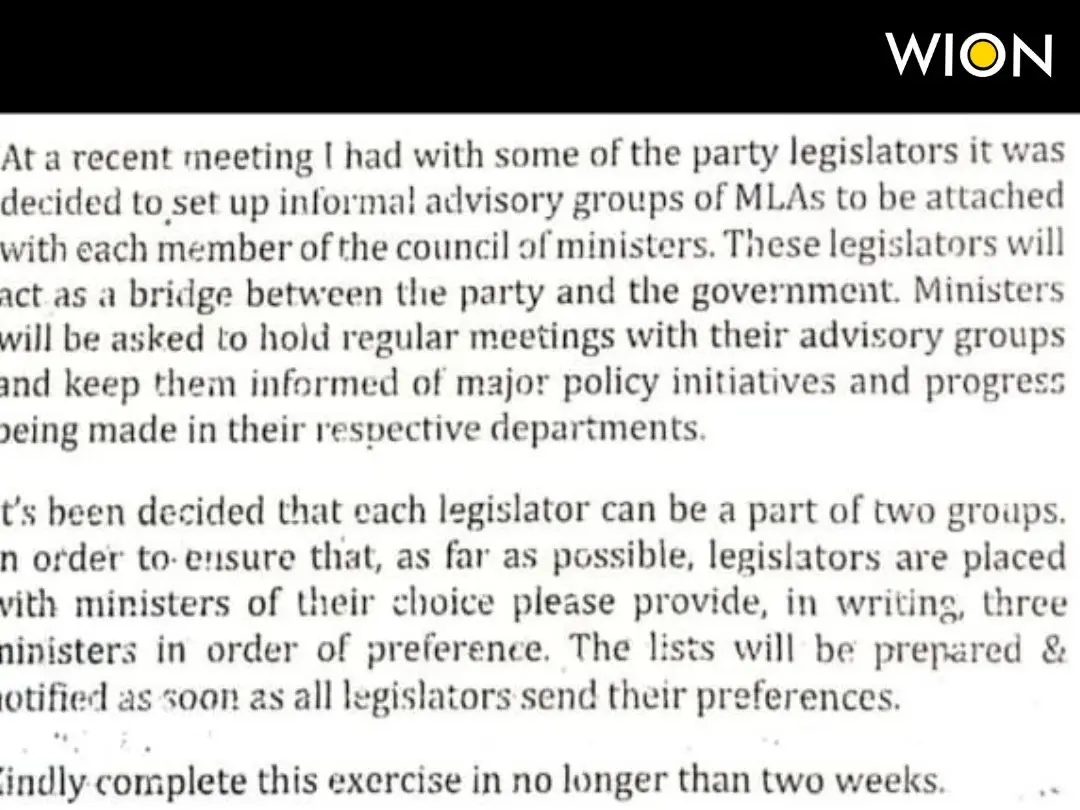
NC has decided to constitute informal advisory groups of legislators. Photograph: ()
According to the communication, legislators have been asked to submit their preferences for three ministers, in order of priority, within two weeks. Based on the preferences received, the party leadership will prepare and issue a final list of the advisory groups. The move comes against the backdrop of dissatisfaction among a section of NC legislators over the distribution of positions following the recent cabinet expansion by the NC-led government.
Some disgruntled legislators had earlier submitted a memorandum to the party leadership, seeking the constitution of advisory committees comprising elected representatives to work alongside ministers. They had called for a structured mechanism to ensure their participation in governance and provide them with an opportunity to raise constituency-related and departmental concerns.
The leadership's decision to establish informal advisory groups is being seen as an attempt to address these concerns and provide legislators with an institutionalised channel of communication without undertaking any further changes to the cabinet.
