Kerala temples ban oleander flowers in daily rituals after 24-year-old woman dies of its poison

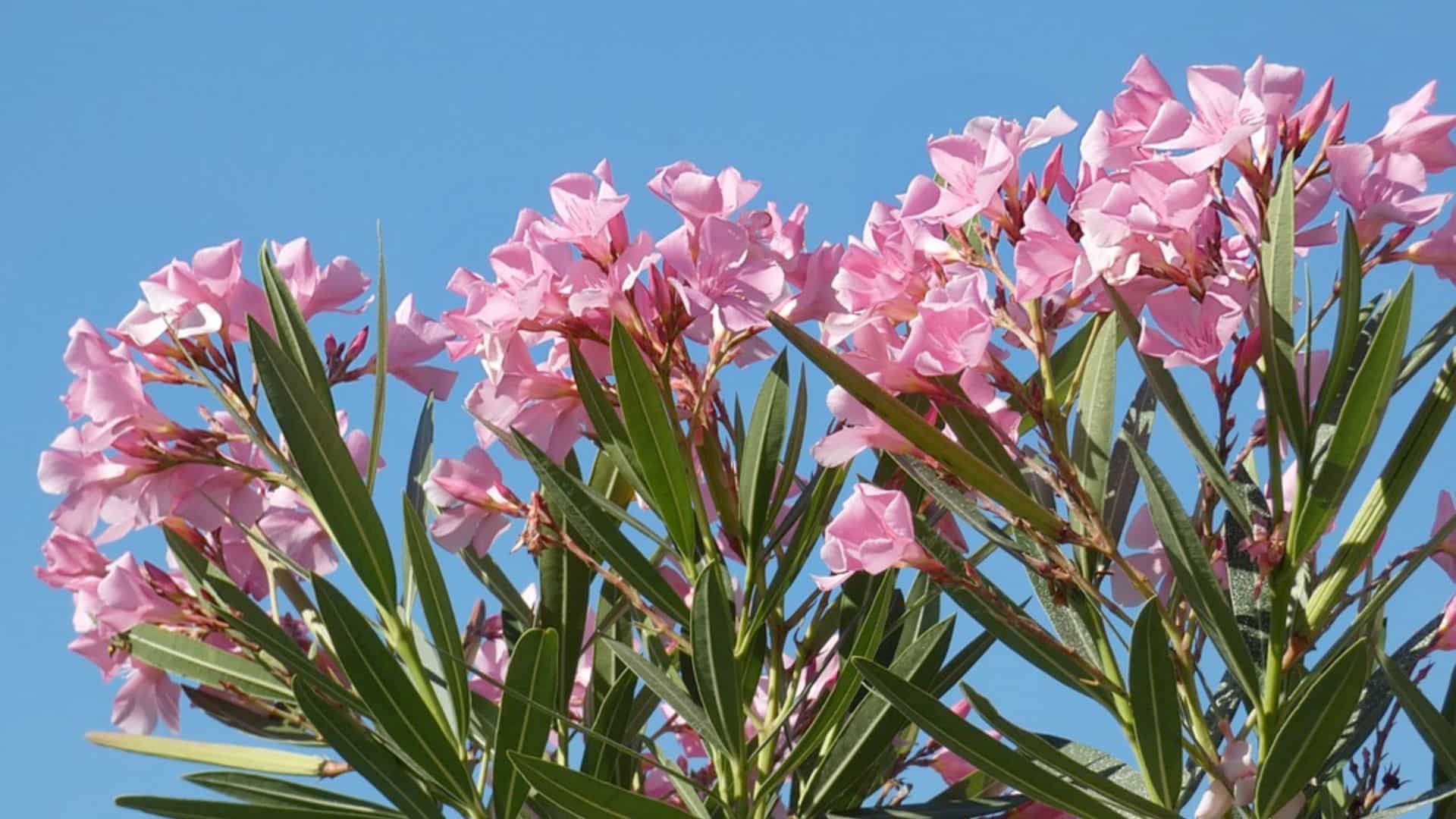
Indian woman dies from accidental oleander poisoning (representational image)
Two temple boards under the control of the Kerala government, overseeing approximately 2,500 temples across the state, have banned the use of oleander flowers, locally known as arali, in temple offerings. This decision follows the death of a 24-year-old woman who accidentally chewed oleander leaves.
Surya Surendran, a 24-year-old nurse, passed away on April 30 as a result of accidental oleander poisoning.
Surendran had a new job waiting for her in the UK, and she was supposed to leave on April 28. But on that morning, she ate some leaves from the oleander plant outside her house in Pallipad, Alappuzha. She was using her phone and probably didn't know how dangerous it was to eat those leaves.
Shortly afterward, she began to feel unwell and vomited several times. Later that day, she collapsed at Kochi airport and passed away a few days later in the hospital. When questioned about her diet, she informed doctors about consuming oleander leaves and flowers. The forensic surgeon who performed her autopsy alerted the police about oleander poisoning.
What is oleander?
Oleander, scientifically known as Nerium oleander or commonly referred to as rosebay, is a plant found across tropical, subtropical, and temperate regions worldwide. This shrub is known for its ability to withstand drought conditions, making it a popular choice for landscaping and ornamental purposes.
In Kerala, it is called arali or kanaveeram, and often planted along highways and beaches to create natural green barriers.
Even though it's recommended in certain Ayurvedic treatments, oleander's poisonous nature has been acknowledged globally.
Hannon D Langford and Paul J Boor wrote, the plant has been “exploited therapeutically and as an instrument of suicide since antiquity.” (‘Oleander toxicity: an examination of human and animal exposures’ published in the journal Toxicology in 1995).
Additionally, breathing in smoke from burning oleander or swallowing it can make you sick.
This happens because of certain chemicals called cardiac glycosides, like oleandrin, folinerin, and digitoxigenin, which are found in all parts of the plant.
(With inputs from agencies)