Karnataka Kannadiga reservation: Bill put on hold after CM Siddaramaiah's '100 pc reservation' post row

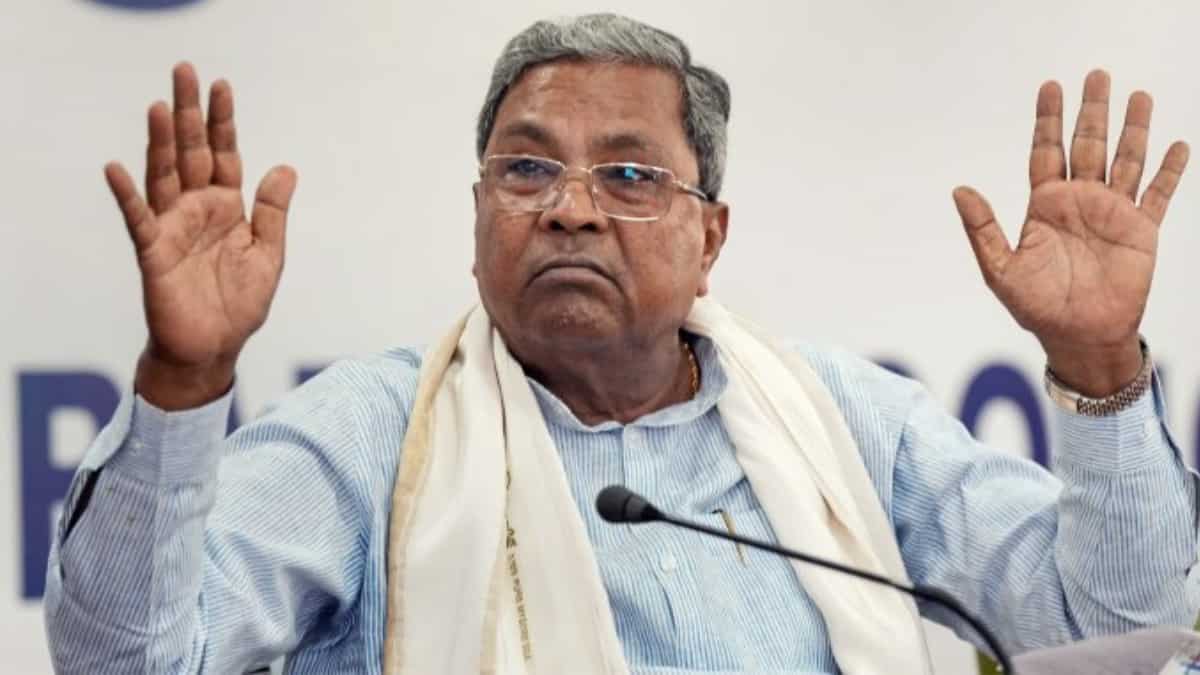
Siddaramaiah, the Karnataka chief minister
Karnataka, the southern state whose capital Bengaluru is called India's Silicon Valley, is in the middle of a controversy over a government bill to mandate reservation for locals in private jobs. The latest in the row was over a post by Karnataka Chief MinisterSiddaramaiah, on '100 per cent job reservation' for Kannadigas, which he subsequently deleted and amended.
The labour minister of the state said that reservations are capped at 70 per cent for non-management roles and 50 per cent for management-level positions.
After major backlash, Karnataka government late on July 17 evening put thebill for Kannadiga quota in private sector jobs on hold. Chief Minister Siddaramaiah govt said it will 'relook' at the bill.
What is Kannadigas reservation bill?
The legislation aims to bring in more than 50 per centreservations for Kannadigas in some specific categories of private jobs.
Formally called 'Karnataka State Employment of Local Candidates in the Industries, Factories and Other Establishments Bill, 2024', it was cleared by the state cabinet on Monday (July 15). It is expected to be tabled in local legislature on Thursday.
As per the text of the bill, any industry, factory or other establishments shall appoint "50 per cent of local candidates in management categories and 70 per cent in non-management categories."
What did the chief minister say about Kannadiga job reservation?
In the now-deleted post, Siddaramaiah had said there would be "100 per cent reservation" for Kannadigas in all Group C and Group D jobs in private companies.
"The Cabinet meeting held yesterday approved a bill to make recruitment of 100 per cent Kannadigas mandatory for 'C and D' grade posts in all private industries in the state," Siddaramaiah said in the earlier post.
It was soon deleted and replaced by a new post after state labour minister Santhosh S Lad made a clarification.
Lad told the news agency ANI: "At management [level] it has been decided to provide reservation to 50% of the people. At the non-management level, it has been decided to provide work to 70 per cent...If such skills are not available, people can be outsourced and they can be given work here. But the government is trying to bring in a law to give preference to locally available skills - if it is available here."
Later in the amended post, the chief minister said: "The cabinet meeting held on Monday approved the bill to fix 50% reservation for administrative posts and 75% for non-administrative posts for Kannadigas in private industries and other organizations of the state.
It is our government's wish that the Kannadigas should avoid being deprived of jobs in the land of Kannada and should be given an opportunity to build a comfortable life in the motherland. We are a pro-Kannada government. Our priority is to look after the welfare of the Kannadigas."
'Fascist and regressive’: Why is Kannadiga reservation job reservation bill a contentious issue?
Karnatakaattracts millions of workers from other states as well as from around the world, working mainly in software engineering firms and startups.
While private job reservations may be a boon for Kannadigas and political capital for the Congress party government of Siddaramaiah, it will not go down well with either the companies which bring in massive tax revenues for the state, or job seekers from other states and countries.
Some of the reactions were harsh, with critics calling the bill fascist and regressive.
TV Mohandas Pai wrote on X: “This bill should be junked. It is discriminatory, regressive and against the constitution."
"This is a fascist bill as in Animal Farm, unbelievable that @INCIndia can come up with a bill like this- a govt officer will sit on recruitment committees of private sector? People have to take a language test?” wrote the former Infosys CFO.
Biocon Ltd executive chairperson Kiran Mazumdar-Shaw wrote on X, “As a tech hub we need skilled talent and whilst the aim is to provide jobs for locals we must not affect our leading position in technology by this move. There must be caveats that exempt highly skilled recruitment from this policy.”
The job reservation move is the latest in a steady move towards regionalism in the south Indian state. Earlier, there was a row over the promotion of Kannada, when it was mandated that the signboards of businesses should also use the local language.
(With inputs from agencies)