Indian SC defers hearing on pleas against sedition law, govt says re-examining at advanced consultation stage

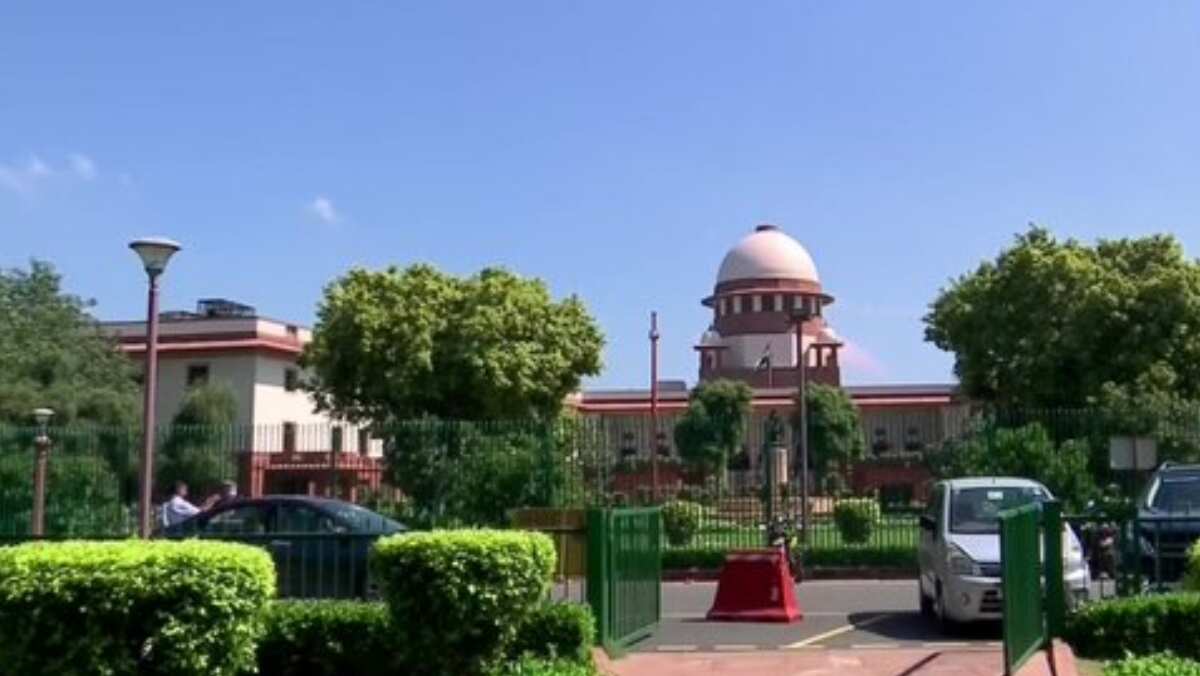
Indian Supreme Court
The Centre on Monday told India's Supreme Court that it was in the advanced stages of consultation with regard to reexamining the colonial-era sedition law. Upon this, a bench of Chief Justice D Y Chandrachud and Justice J B Pardiwala postponed the hearing of please against the law till the second week of August.
This comes as Supreme Court was all set to hear a number of pleas contesting the constitutionality of thesedition law under section 124A of the Indian Penal Code.
In recent years, the use of the sedition law in India has become a subject of controversy, with some critics arguing that it is being misused to stifle free speech and dissent. There have been a number of high-profile cases in which individuals, including journalists, activists, and students, have been charged with sedition.
The consultation process, according to Attorney General R. Venkataramani, is at an advanced level, and he will be seen it before it is presented to Parliament.
He pleaded with the bench, "Kindly post the matter for further hearing after the Monsoon session of Parliament." Gopal Sankaranarayanan, a senior advocate, had requested the bench to form a bench of seven judges to decide the concerns. The bench ruled that even if the case had to be heard by seven judges, a five-judge bench would have to hear it first.
The colonial-era legal code against sedition was placed on pause by the supreme court on 11 May, 2022, pending a "proper" government forum's review of it.
The court also instructed the federal government and the states not to file any new FIRs citing the crime. The top court had decided that in addition to the filing of FIRs, all investigations, trials, and other actions related to the sedition statute across the nation would be put on hold.
Also Read | Suspected ISIS chief, codename Abu Hussein al-Qurashi, killed in Syria: Turkey president
The bench talked of the necessity to strike a balance between the interests of civil rights and individuals with those of the State, noting that the legislation has come under heavy public criticism for its alleged use as a tool to stifle dissent, notably on social media.
Sedition was added to the penal code in 1890, about 30 years after the IPC was created and 57 years before Independence, and carries a maximum prison sentence of life under Section 124A of the IPC for "creating disaffection towards the government."
Critics of the sedition law argue that it is a colonial-era law that is outdated and incompatible with democratic principles, and that it is being used to suppress dissent and criticism of the government.
Supporters of the law argue that it is necessary to protect the integrity and sovereignty of the country, and that it is an important tool in combating various forms of extremism.
A growing number of people have been accused of sedition, including the Maharashtra political couple Navneet and Ravi Rana, novelist Arundhati Roy, student activist Umar Khalid, and journalist Siddique Kappan.
Watch | Experts predict AI to be the forefront of 2024 US election campaign
Overall, the use of the sedition law in India remains a contentious issue, with ongoing debates about its relevance and appropriateness in a democratic society that values freedom of speech and expression.
WATCH WION LIVE HERE
You can now write for wionews.com and be a part of the community. Share your stories and opinions with us here.