India: For Delhi, there were zero 'cold wave' days in December 2023, warmest in last six years

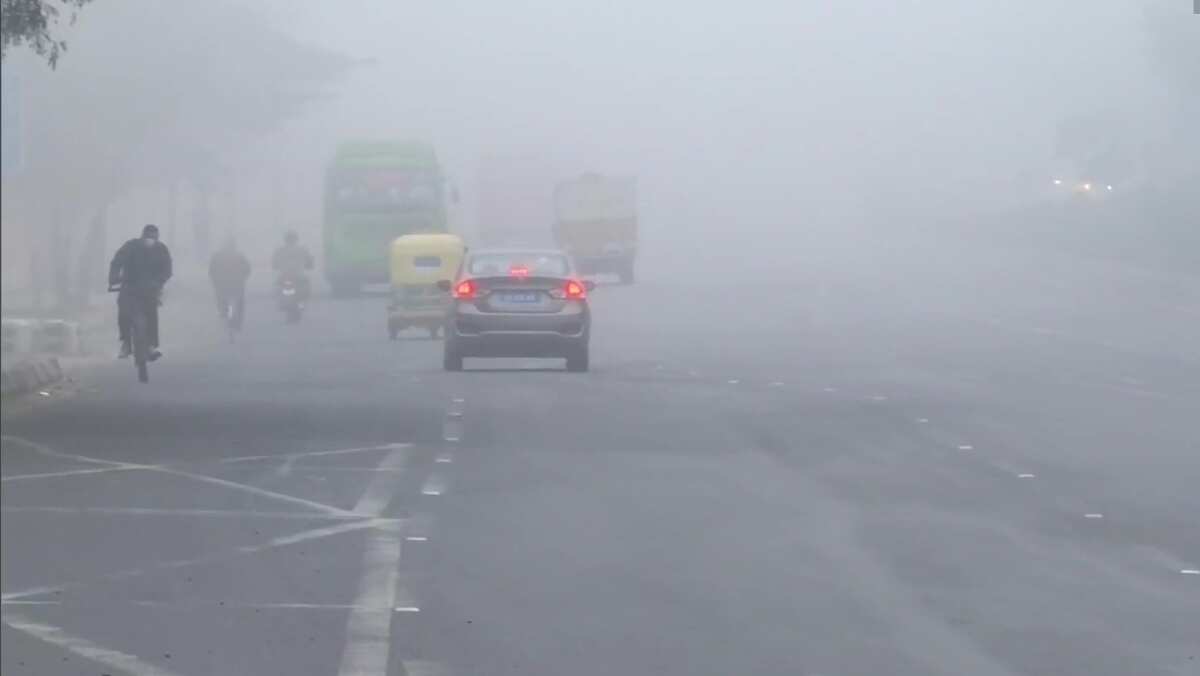
Delhi fog
Even as Delhi is experiencing a chilling winter with cold wave conditions in the first week of January, the Indian capital city recorded its warmest December in the last six years. In December 2023, the Indian capital has zero 'cold wave' days, as per the India Meteorological Department.
Many states across India are currently experiencing cold-wave-like conditions with bone-chilling temperatures.
‘Core cold wave zone’ states include Uttarakhand, Delhi, Haryana, Punjab, Himachal Pradesh, Rajasthan, Uttar Pradesh, Gujarat, Madhya Pradesh, Jharkhand, West Bengal, Odisha, Telangana, Chhattisgarh and Bihar.
Also Read |India Weather Update: Dense fog continues to blanket Delhi; North India grapples with cold wave
In the past couple of days, temperatures in many northern regions, including Delhi, have dropped below 5 degrees Celsius (23 Fahrenheit), as per reports.
A day is said to have been hit by a cold wave in case the minimum temperature is 10 degrees Celsius or below and is 4.5 degrees Celsius (C) less than normal for two straight days.
The cold wave is accompanied by dense fog conditions, prompting authorities to issue advisories in many states, including Punjab, Uttar Pradesh, Haryana, and Delhi, among others.
Drivers are been asked to exercise caution. Additionally, IMD also urged people to use fog lights to increase visibility avoiding potential accidents.
Minimum temp 6.9 degrees on Jan 3
Reports citing India Meteorological Department data on January 2 said the normal minimum temperature recorded was 6.9 degrees. Meanwhile, the minimum temperature was at 7.3 degrees Celsius on Wednesday (Jan 3), as per the weather department.
Watch |Ram Mandir trustees divides over the colour of Ram Lalla idol
In another update on the weather, the highest temperature is expected to remain under 20 degrees Celsius up until 8 January, 2024, as per IMD.
Apart from the dense fog and shivering temperatures, the 24-hour Air Quality Index (AQI) average in the Indian capital on Wednesday (Jan 3) was recorded at 332 at 7 am.
This comes under the "very poor" category on the AQI scale.
(With inputs from agencies)