

&imwidth=800&imheight=600&format=webp&quality=medium "India’s first leopard sterilisation plan to start soon in Maharashtra - Here's what we know about it")
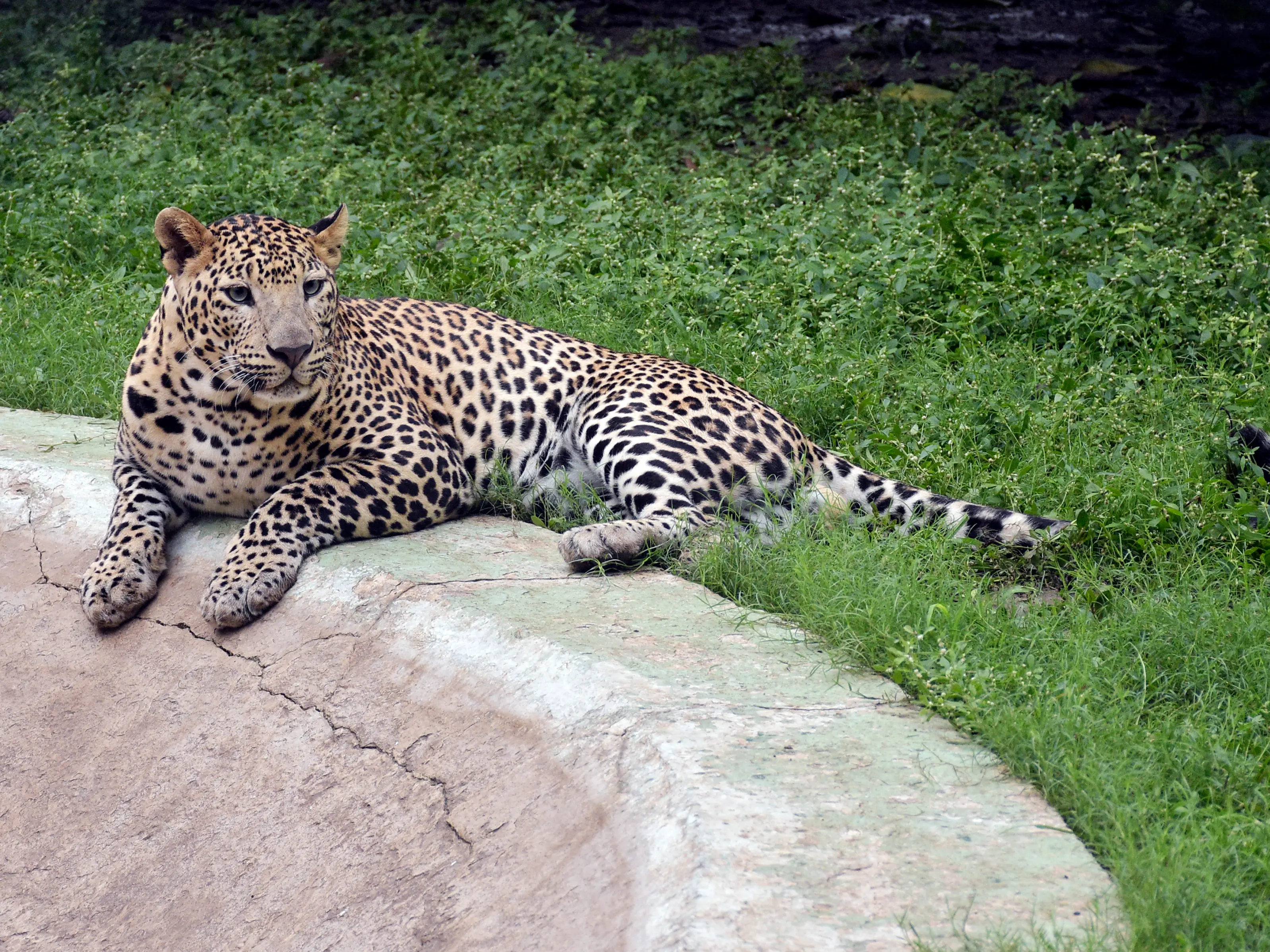
The Western Indian state of Maharashtra is going to launch a leopard-management trial to sterilise free-ranging leopards. The Centre has approved a Maharashtra government proposal to implement a birth control programme for leopards in regions where human-leopard encounters are rising.
The move aims to manage big cat sightings and reduce human-leopard attacks. The decision comes seventeen months after the Maharashtra government sent a proposal to the Union Ministry of Environment, Forest and Climate Change (MoEFCC), making it the country's first such initiative. This will help to curb growth in their population by stopping reproduction at its source. The trial is going to take place in the Junnar forest division which is also known as a sugarcane region.
Last year, the department proposed a plan to sterilise 125 female leopards to control the population. For now, the first phase will focus on just five female leopards. Those five female leopards will be captured and taken to the Manikdoh Leopard Rescue Centre in Pune, where they will undergo an immunocontraceptive procedure, a method used worldwide to control wildlife populations safely. The method is less invasive than surgery and temporarily prevents the leopards from reproducing without harming them.
Fourteen farmers in Maharashtra's Junnar, Nashik, Ahilyanagar, and Pune, died in the last two months. The government has also decided to seek help from artificial intelligence (AI) to alert the villagers about the movements of the leopards. In Junnar, the leopards killed three people in the last two months. In the districts of Nashik and Ahilyanagar, the number of victims stands at five since September. As these areas are covered by sugarcane fields, villagers fear that the leopards can attack them anytime, coming out of the fields. In addition, the leopards have also started entering residential colonies.
The Maharashtra Forest Minister Ganesh Ramachandra Naik says “Cutting down of trees for urban development and the establishment of dams have compelled many leopards to come out of the forests and enter residential areas. The state would seek permission for all the divisions and would also deliver 1,000 cages in addition to the present 200 cages to catch the leopards.” If the trial is successful, the government plans to expand the leopard birth control project to other areas, such as the Nashik and Ahilyanagar districts. Two leopard rescue centres will also be set up in the Pune district within two to three months to treat and rehabilitate captured leopards.
