
&imwidth=800&imheight=600&format=webp&quality=medium "IMD warns of chilly winter ahead with extended cold waves in North, Central India")
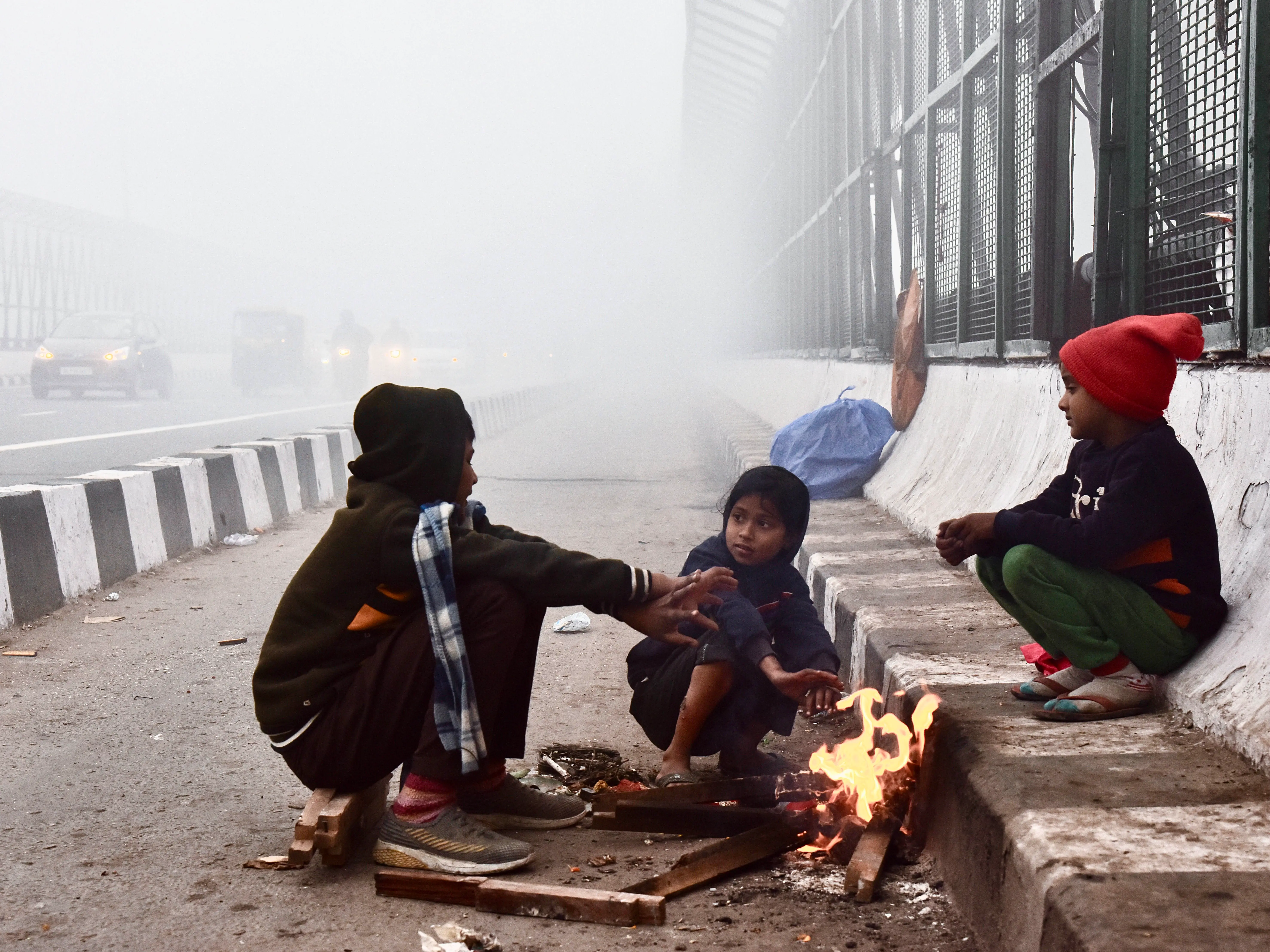
The India Meteorological Department (IMD) has predicted that parts of central and northern India will experience colder-than-usual conditions this winter, with a higher frequency of cold wave days. According to IMD forecasts, the polar vortex is expected to bring down temperatures in regions such as Haryana, Rajasthan, Delhi, and Gujarat, making for a notably chilly season.
These areas are likely to experience up to four or more cold wave days between December and February, surpassing the usual five to six cold wave days normally seen in northwest India during the winter months. A cold wave is typically declared when the minimum temperature dips below 15°C and is significantly lower than the average for three consecutive days. The IMD's projections indicate that most of central India, parts of peninsular India, and northwest India will witness normal to below-normal minimum temperatures. However, some regions are expected to experience above-normal temperatures.
Also Read: Vijay Mallya and Nirav Modi among 15 declared fugitives, who caused $3 billion loss to India: Govt

As for precipitation, December will likely see normal rainfall across the country, with the likelihood of above-average rainfall in parts of peninsular, west-central, east-central, and northeast India. Other areas are expected to receive below-normal rainfall. The polar vortex, a mass of cold air circulating around the poles, has already been influencing temperatures in India, resulting in colder conditions, particularly in Madhya Pradesh. IMD officials said that the combination of the polar vortex and La Nina will intensify the chill this winter.
La Nina refers to the cooling of sea surface temperatures in the central and eastern Pacific Ocean, often associated with harsher winters in India. November saw a 42.8% nationwide rainfall deficit, with regions like northwest India experiencing a 78.1% rainfall shortage. Meanwhile, areas in northeast and east India recorded above-average rainfall. The IMD also forecasts a La Nina phase to persist through this winter, with an anticipated transition to neutral conditions by early 2026.

