&imwidth=800&imheight=600&format=webp&quality=medium "10 years on, UP govt pushes to close Dadri lynching case against accused")
The UP government has applied to withdraw the case against the accused of the Dadri Lynching case of 2015. Initially, 15 people were charged with the lynching case. At the time of the withdrawal application, all of them were out on bail. They were accused of murder. Almost a decade has passed since the lynching of Mohd Akhlaq over the allegations of cow slaughter, his family still battle with the Kafkaesque Indian justice system.
“We filed the withdrawal application, issued by the government in connection with Akhlaq Ahmed’s case, before the competent court on October 15. The court has not yet passed any order on the application and has fixed December 12 for hearing the matter,” said Bagh Singh Bhati, ADGC, Gautam Buddha Nagar. The application is placed under Section 321 of the Code of Criminal Procedure (CrPC), which allows a prosecutor to withdraw a complaint with the court’s permission. According to Outlook, the written application is backed by the UP Governor.
Dadri Lynching

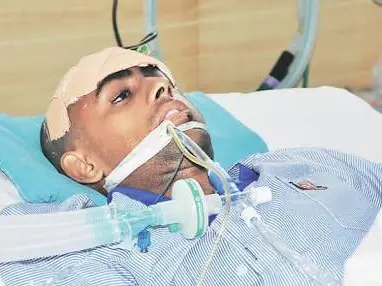
On September 18, 2015, Mohd Akhlaq was lynched to death in Bisada village, Dadri, on the accusation of storing beef in his home. His son, Danish, who intervened, was also badly injured. The meat seized from the Akhlaq's house was reportedly sent to Mathura for lab testing. The forensic reports identified the meat as “cow or its progeny”. Akhlaq's family claimed that the samples were switched. The Gautam Buddha Nagar filed a chargesheet against 15, including Vishal Rana, son of a local BJP leader, and his cousin Shivam, who are the key conspirators and led the mob to the house.
The move from the UP Government comes across as politically and legally charged to fulfil its majoritarian agenda. The government either wants to utilise the waning public interest as an opportunity or is worried that continuing the trial might have an unpleasant outcome. It marks a dark turn in contemporary India's social justice landscape, and sets a dangerous precedent for mob violence in India.