Ayodhya’s over $10 billion revamp could generate around $3bn in tax revenue for UP

Ayodhya
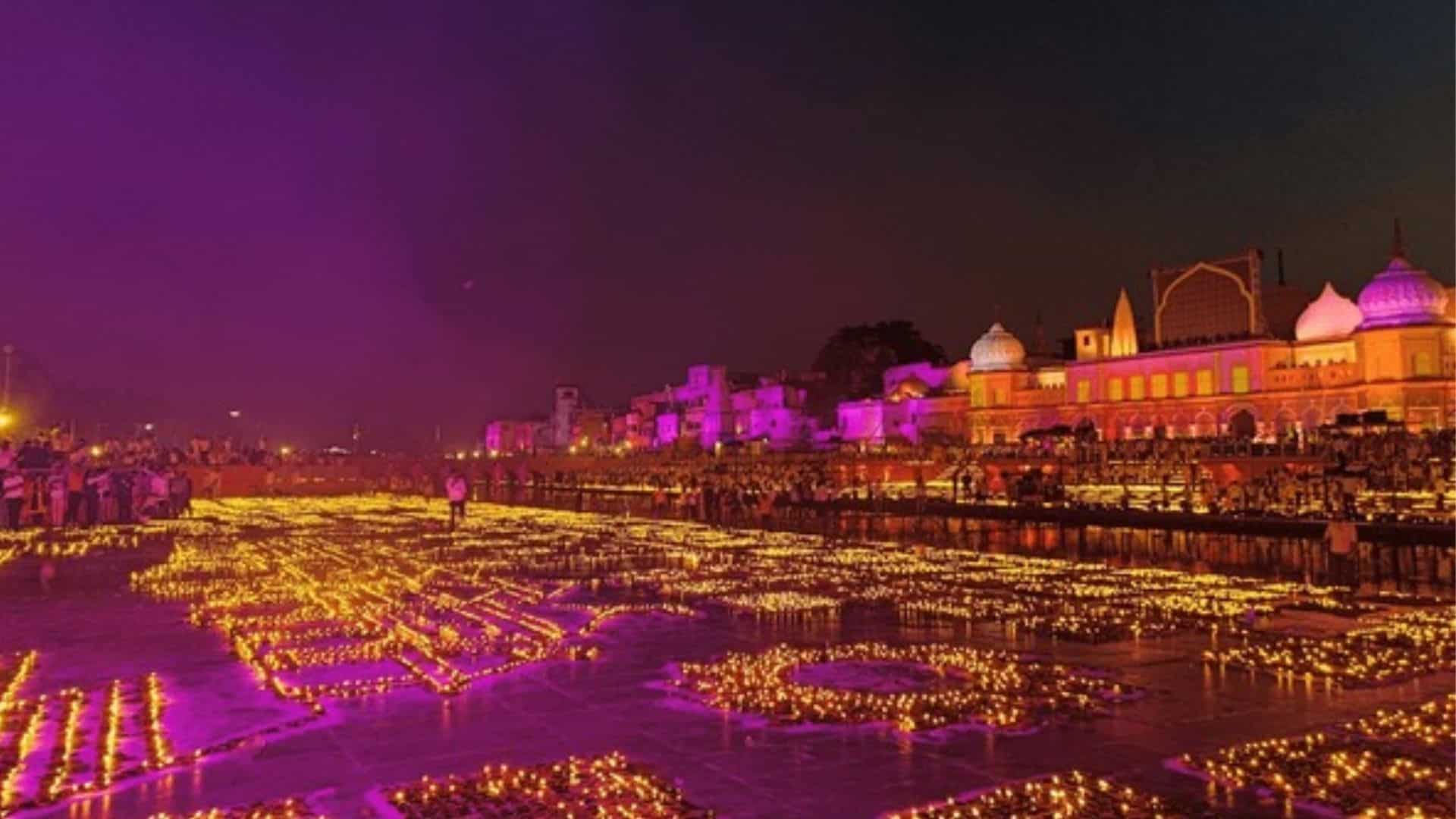
Ahead of the Ram Mandir Pran Pratishtha (consecration) that took place on Monday (Jan 22), Ayodhya underwent an extensive transformation, with a reported expenditure exceeding $10 billion. The city redevelopment initiative included a new airport, revamped railway station, township improvements, enhanced road connectivity and other facilities.
Tourism, contributes approximately seven per cent to India's economy, and lags behind other major emerging and developed economies. A recent report by brokerage firm Jefferies suggests that Ayodhya's monumental makeover could lead to tax revenue generation exceeding ₹25,000 crore ($3 billion) for the Uttar Pradesh government.
Cost analysis: The multifaceted makeover
Jefferies estimates the comprehensive Ayodhya makeover, encompassing infrastructure enhancements, to cost around ₹85,000 crore ($10 billion). The ambitious project aims to position Ayodhya as a premier tourist destination, attracting over 50 million visitors annually, rivaling global landmarks like the Golden Temple in Amritsar and the Tirupati temple in Andhra Pradesh.
To bolster tourism, Ayodhya has witnessed the operational commencement of phase 1 of its airport, capable of accommodating 1 million passengers. Plans are in place to expand this capacity to 6 million by 2025. The railway infrastructure has also been doubled to handle 60,000 passengers daily, signalling a concerted effort to improve connectivity.
Also watch |Ram Lalla Idol: What we know | Ram Mandir Inauguration
With 17 hotels boasting 590 rooms currently, Ayodhya's hospitality sector is set for a substantial boost. As many as 73 new hotels, 40 of which are already under construction, are to come up to meet the demand in view of increased tourist influx. Major players like Indian Hotels, Marriott, and Wyndham have committed to new ventures, while Oyo plans to add 1,000 hotel rooms.
The transformation of Ayodhya, propelled by the inauguration of the Ram Mandir, positions the city as a potential global tourism hub.
(With inputs from agencies)