Abhijit Gangopadhyay resigns as Calcutta High Court judge, to join BJP

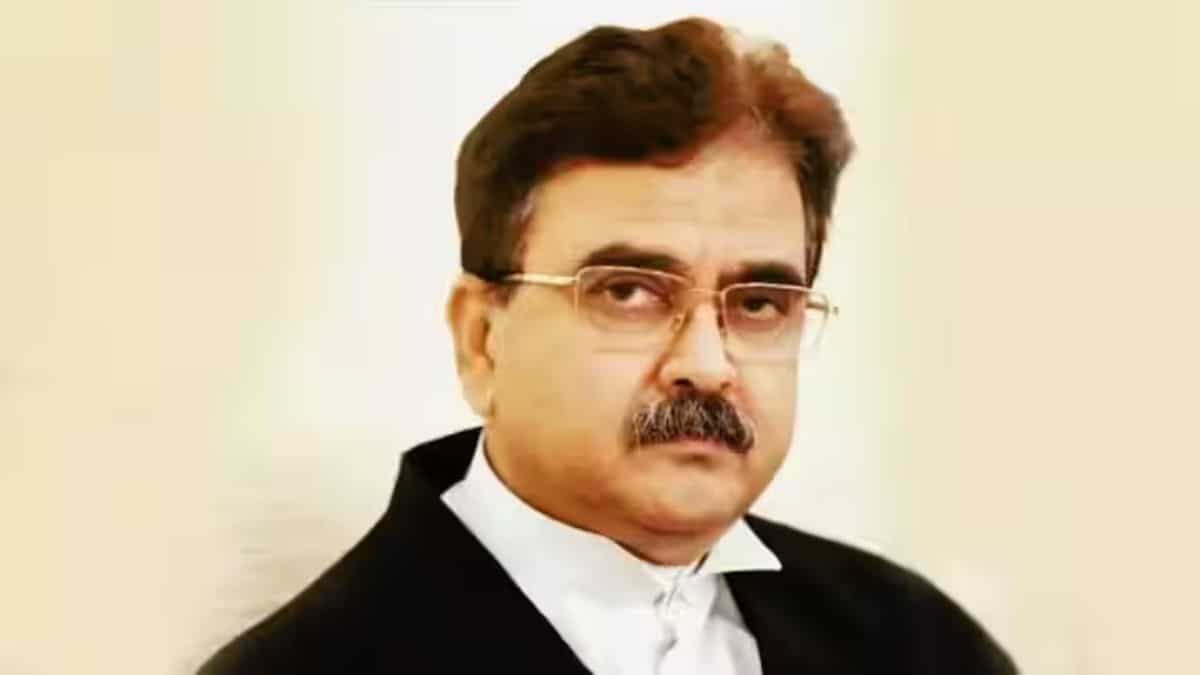
Calcutta High Court Justice Abhijit Gangopadhyay.
Calcutta High Court Judge Abhijit Gangopadhyay has officially resigned and is set to join the Bharatiya Janata Party (BJP).
Confirming his decision, Justice Gangopadhyay, speaking to reporters on Tuesday (March 5) in Kolkata, praised Prime Minister Narendra Modi as a ‘very hardworking man’ and criticised the ruling Trinamool, stating that the party's implosion indicates corruption and that he was inspired to enter politics.
“I felt that I had done enough work there (in judiciary), but some work is set to be done for people who cannot go to the court or do not have the resources to go to the court. They are very helpless, and I should help them with the little resources I have for them, and that's why I have decided to join politics. I will be joining the BJP,” Abhijit Gangopadhyay said after announcing his resignation to join politics.
The former judge plans to join the BJP on March 7, according to a tentative program.
Justice Gangopadhyay, who gained attention last year for discussing a case he was handling in an interview, is widely expected to be a BJP candidate in the upcoming general election.
Speculation suggests he may contest the Tamluk seat, traditionally held by the Trinamool Congress, where the party has maintained control since the 2009 election.
Earlier in the day, Justice Gangopadhyay confirmed his resignation and expressed his intention to meet the Chief Justice for a courtesy visit.
He disclosed that he had sent his resignation to the President of India and planned to hold a press conference, adjusting the venue to his home due to current prohibitory orders against large gatherings.
Justice Gangopadhyay, known for his controversial rulings and statements, received an invitation from Trinamool spokesperson Kunal Ghosh to join politics. Despite previous criticism from Ghosh, Justice Gangopadhyay acknowledged him as a good person.
Watch:Nirmala Sitharaman and Dr S Jaishankar to contest Lok Sabha elections
His decision to step into politics comes after a series of headline-making incidents, including an interview discussing a case, accusations against another judge of working for a political party, and an order for the arrest of a lawyer in the courtroom, leading to a bar association boycott.
(With inputs from agencies)