New research finds link between talcum powder use and ovarian cancer

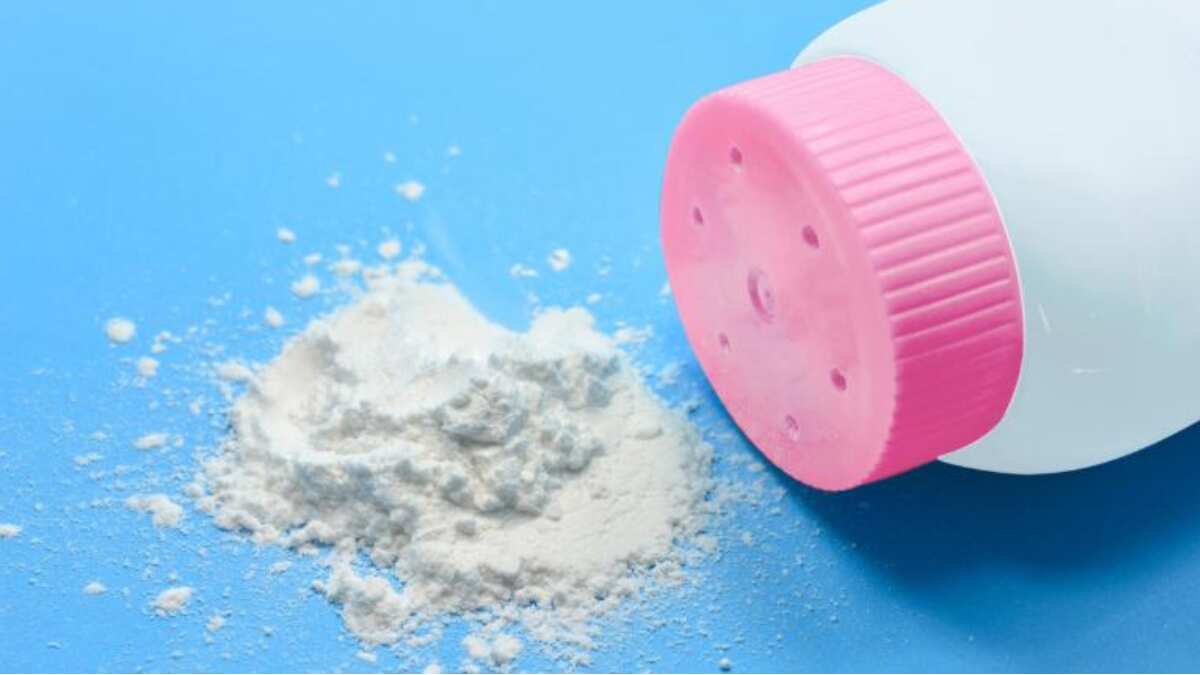
Talcum powder
A recently published research claimed to have established a link between talcum powder use and ovarian cancer. The study, published in the Journal of Clinical Oncology on Wednesday (May 15), found that usage of talcum powder in the genitals was linked to ovarian cancer, which begins in the female organs that produce eggs (ovaries).
The risk is higher for those who frequently use the powder frequently or for long periods of time.
Ovarian cancer often goes undetected until it has progressed to the pelvis and stomach. At this stage, ovarian cancer is more difficult to treat and may be fatal.
In the study, researchers from the National Institutes of Health examined the association between intimate care products and female hormone-related cancers.
The report is based on data from the Sister Study, which enrolled more than 50,884 women in the United States from 2003 to 2009.
Data on genital talc use and douching were collected at enrollment (2003-2009) and follow-up (2017-2019).
The women had participated when they were 35 to 74 years old, and each had a sister who had been diagnosed with breast cancer - a situation which put them at higher risk for breast or ovarian cancer.
The researchers found that 41%-64% of participants douched and 35%-56% used genital talc across considered scenarios.
"Frequent douching and douching during young adulthood were positively associated with ovarian cancer, but neither douching nor talc was associated with breast or uterine cancer," the study mentioned.
Watch: Singapore monitoring new Covid-19 wave as infections rise
A report by the American Cancer Society mentioned that when talking about whether "talcum powder is linked to cancer, it is important to distinguish between talc that contains asbestos and talc that is asbestos-free".
It noted that talc that has asbestos is generally accepted as being able to cause cancer if it is inhaled. The evidence about asbestos-free talc is less clear. The report was last revised on December 6, 2022.
It also stated that "many studies in women have looked at the possible link between talcum powder and ovarian cancer. Findings have been mixed, with some studies reporting a slightly increased risk and some reporting no increase".
(With inputs from agencies)