
&imwidth=800&imheight=600&format=webp&quality=medium "Top 5 countries where you can experience the midnight sun")
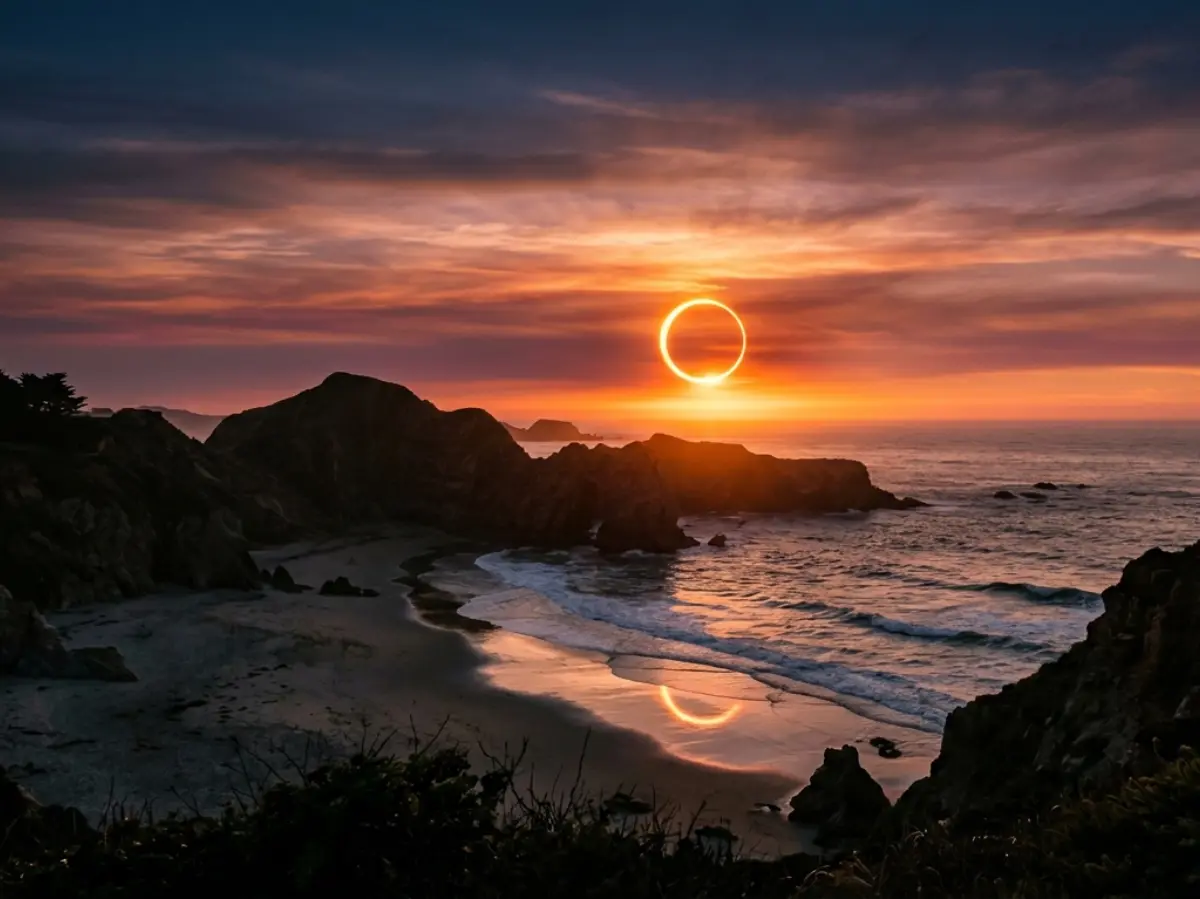
The midnight sun, also known as the polar day, is a natural phenomenon occurring in regions north of the Arctic Circle or south of the Antarctic Circle. During the summer months, the sun remains visible at local midnight, creating a period of continuous daylight. This happens because the Earth's axis is tilted towards the sun, which peaks around the summer solstice on 21 June in the Northern Hemisphere. The closer a location is to the North Pole, the brighter the midnight sun will be and the longer the duration of the phenomenon.
Norway
Norway is widely recognised as the Land of the Midnight Sun. In the Svalbard archipelago, the northernmost inhabited region of Europe, the sun does not set from approximately 19 April to 23 August. Mainland destinations located above the Arctic Circle, such as Tromsø, also experience the midnight sun from late May to mid-July. This continuous light allows residents and visitors to engage in outdoor activities like hiking and boat tours late into the night.

Finland
Nearly one-third of Finland's total landmass lies north of the Arctic Circle, making it a prime destination for polar daylight. In the country's northernmost points, such as the municipality of Utsjoki in Finnish Lapland, the sun does not set at all for an uninterrupted 72 days during the summer. This extended daylight deeply influences the local culture, encouraging late-night social gatherings and outdoor recreational activities. Further south, the midnight sun season in locations like Rovaniemi, which sits directly on the boundary of the Arctic Circle, generally runs from early June to early July.
Sweden
Trending Stories
Northern Sweden experiences nearly continuous daylight during its summer. In Swedish Lapland, destinations like Abisko and Kiruna offer views of the midnight sun from late May into mid-July. The prolonged sunlight provides social and psychological benefits for the 13 per cent of the population living in these northern regions, encouraging active living and community events.
United States
The United States experiences the midnight sun across the northernmost regions of Alaska. While towns located strictly above the Arctic Circle, such as Utqiagvik, see the true midnight sun where the sun remains continuously above the horizon, the city of Fairbanks remains the primary tourist hub for the phenomenon. Because Fairbanks sits just below the Arctic Circle, the sun does briefly dip below the horizon, but it creates a period of continuous civil twilight where the sky never actually gets dark. The city markets this prolonged daylight season from 22 April to 20 August, featuring up to 70 continuous days of functional sunlight from mid-May to late July
Russia
Russia has significant territories above the Arctic Circle. Murmansk is the largest city in the world located north of the Arctic Circle, with a population of 270,000. It experiences the midnight sun for 62 days, from 22 May to 22 July. Further east, the mining town of Norilsk also sees the sun remain visible for months, aiding productivity during the summer months despite the harsh environment.
Visiting the Arctic Circle during the summer solstice provides a rare opportunity to witness this geographical event. Travellers planning to see the midnight sun should prepare for the unique experience of navigating a landscape where the traditional boundaries between day and night disappear for weeks on end.