Marrying Art & Tech: Indian-Canadian production designer on Metaverse changing the ecosystem of entertainment


Indian-Canadian production designer Rhea Solanki and posters of some of her recent works.
Indian-Canadian production designer Rhea Solanki who is just off a film festival circuit earlier this year with her short film We Were Meant To getting its world premiere at the Sundance Film Festival 2023, is now working on production design for projects that have a social message. Speaking to WION about how marrying art and technology while retaining traditional storytelling methods will drive the future of production design in films and shows, Rhea Solanki opens up about what taking up production design as a career option can mean for those new to the field and OTT being a driver for changes in the ecosystem.
Here are the excerpts from our conversation:
WION: Production designing is increasingly becoming a lucrative career option. What’s the charm of being behind the scene?
Rhea: OTT is a large part of it – it has brought in a lot of good, diverse content to India. We’re watching shows from all over the world like Korea, Germany, Norway, Japan, and of course America. This increased access to content has helped people diversify their tastes, and watch different things that were traditionally not available in India. Just a few years ago, all we had access to, was the quintessential Hollywood blockbuster, Bollywood films, and Indian soap operas on TV. We didn’t even see films from the Southern part of the country but now there’s access to so much content, that too uncensored. It’s all been given a platform and with this access, the audience is now demanding better content from Indian creators. This has brought a larger awareness of the other fields of filmmaking other than just the roles of actors and directors. This has created an environment that is much more conducive for new talent to enter and thrive.
WION: A production designer is a person who makes a story believable for the audience. What are the challenges of being the person in charge of having an eye for detail?
Rhea: The most important skill in product design is the ability to read a story and understand how this story can be visually brought to life. Production design is not just about building four walls for the actor to be in, rather it is about connecting with the character and building a world that showcases who that person is. For example, bringing out on set if this person is a clean freak? Does she organize everything alphabetically? Or is she obsessed with Pokémon and has shelves of collectibles? No matter what the journey of the character in the story is, a product designer is responsible for showing a dynamic multi-faceted character to the audience. This builds on the empathy that we feel for the character and helps us connect far more to the story.
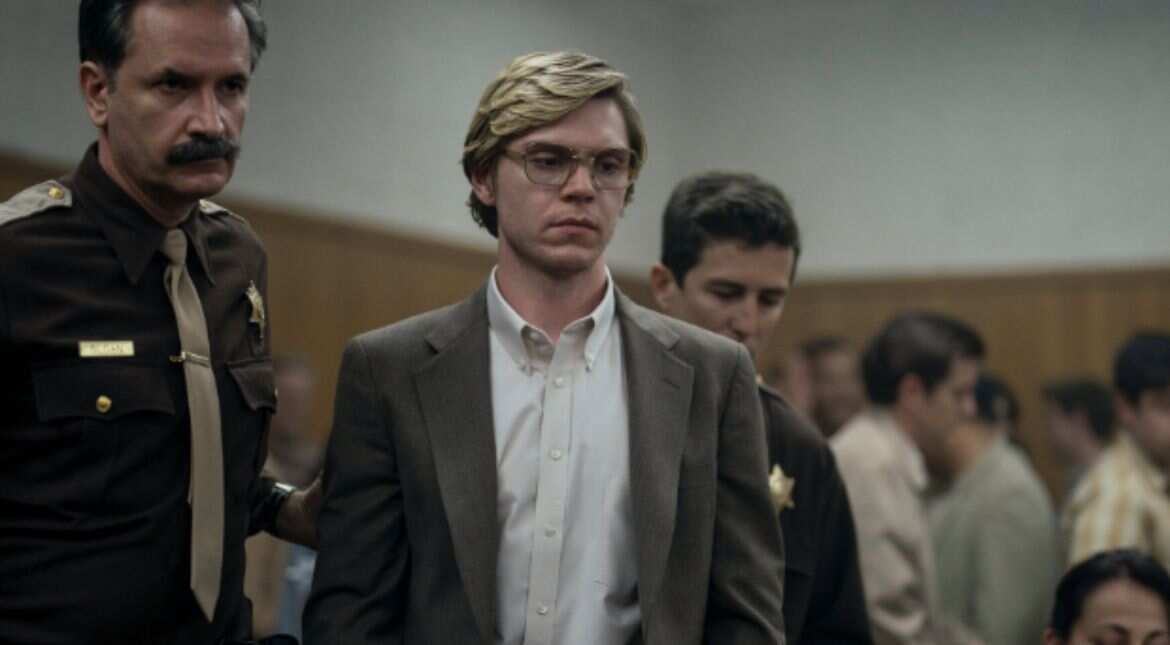
Tiny details can influence how the audience views the character and what they feel for them. One example is that of a simple thing like colour that has a set preconceived role in our minds. Depending on the shade, red is both anger and passion, while purple can be royal or sinister like death, and yellow can be sickly or exuberant. Being mindful of these tiny details can really elevate the delivery of a story. Take, for example, the story of Dahmer. You don’t feel bad for this character and you most definitely don’t want to feel empathy for him. But then you watch the story and you understand. You see how awful his childhood is, the lack of color in his life, the whole show is very bene tone, and you feel for him even though you know he’s a terrible person and has done horrific things.
WION: Most of your recent work has enjoyed worldwide success. What were the things that you considered before you went ahead with these projects?
Rhea: I am an Indian but I spent most of my childhood in Canada. This made it difficult for me to relate to my family back home in India. It was through Indian films that I found connections between these two very different cultures. That was when I realised the power of cinema and how it can connect us and build empathy. Looking at the world today, I think the need for empathy is obvious. Storytelling and filmmaking arepotent forms of empathy wherein you can get immersed in the story or life of another person and understand their journey and motives.
When one hears a script, there are stories that immediately hit you and you know that you want to work on it. At other times, you can feel the passion and connection of the person directing the film and it still clicks. I’m mindful of the stories I choose. I want to work on stories that are more minority-focused, related to the experience of coloured people in America, or have very specific messages. I love working on projects that are trying something new or offer me a challenge in designing.
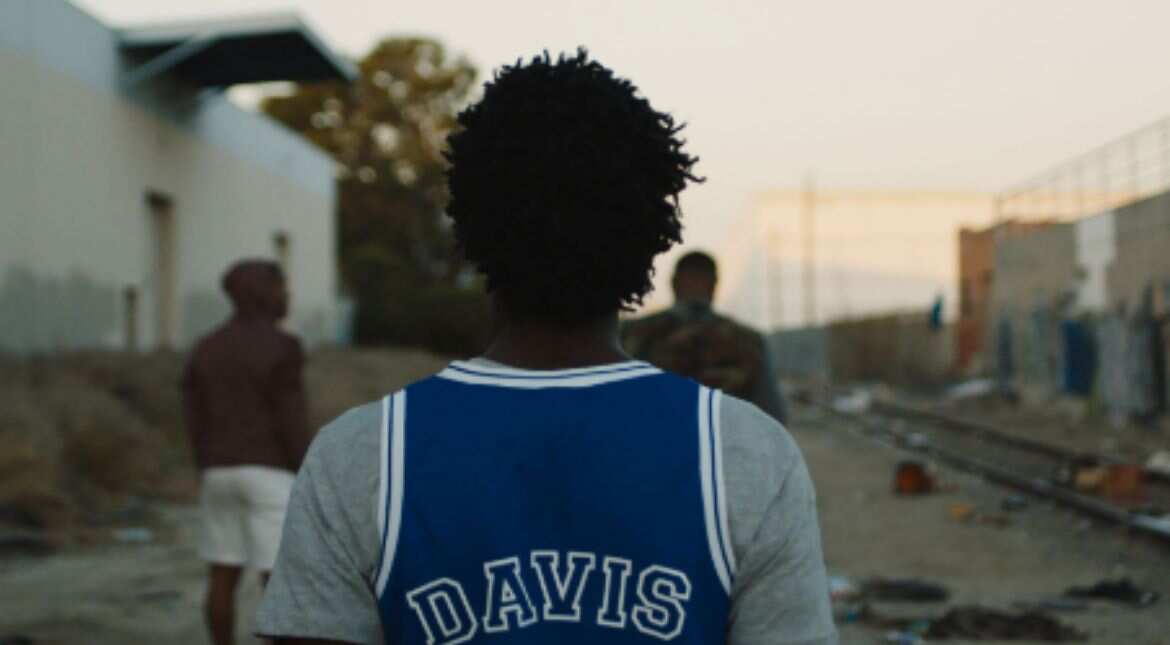
In my recent projects, if you look at my film that just went to Sundance, We Were Meant To, focuses on the message of societal oppression and the power of breaking through. It’s about being able to stand up and fly when everyone’s pushing you down. That kind of story can have an instant connection with people.
WION: What changes would you suggest at the university level to hone talent that can pursue careers in production design?
Rhea: We need to develop a larger culture of short films that are beyond just actor or director show-reel pieces. People are watching things on their phones during commutes or lunch breaks. They want shorter pieces of content but good stories. Students creating more short content will allow for experimentation, gaining experience, and a wider range of storytelling being made and can offer them an opportunity to share their work with audiences and gain insight into what works and what doesn’t.
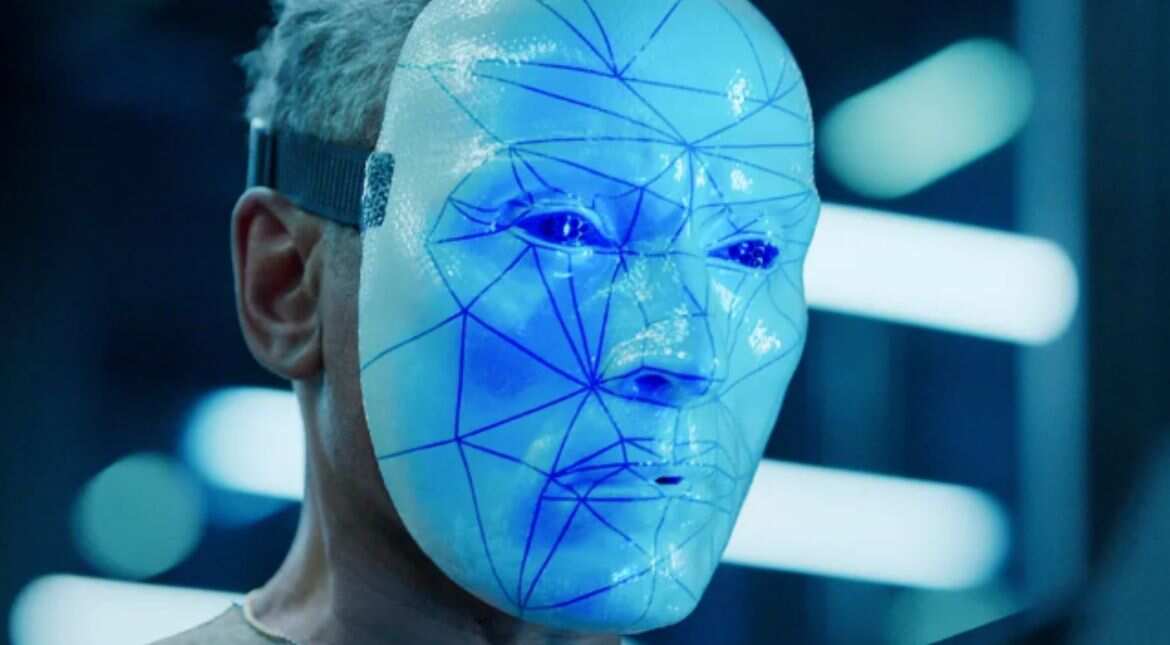
Storytelling is evolving with content like Netflix’s Kaleidoscope which is basically a ‘pick your own’ storytelling experience, to how the metaverse and blockchain are coming up and being used. India has ample skilled hands for VR/AR, VFX, AI, and other digital technologies, and hence has the potential to become leading digital content creators for a global market.
WION: What is the technological know-how that an aspirant must learn to become a good production designer? What big a role does knowing about the usage of Metaverse and AI in the design space play?
Rhea: For me, art and technology are entwined and I’ve always aimed to be at the crossroads between them. In technology, we’re always looking forward towards the next big thing and how to keep innovating for the audience. Today we have technologies like Virtual Reality (VR) and Augmented Reality (AR), and now the metaverse; which are all looking at creating immersive storytelling experiences for the audience for even more powerful storytelling.
Early on, I was fascinated with how these technologies can be used to deliver stories and how my designs can be more experience focused, working with digital mapping, AR, and VR. I’ve found myself using blockchain technologies for the more data-based side of design too. However, with all of these, I think it’s important to keep traditional storytelling techniques in mind. These are the foundations of filmmaking and they provide the cohesive storytelling necessary for technology to make a difference.
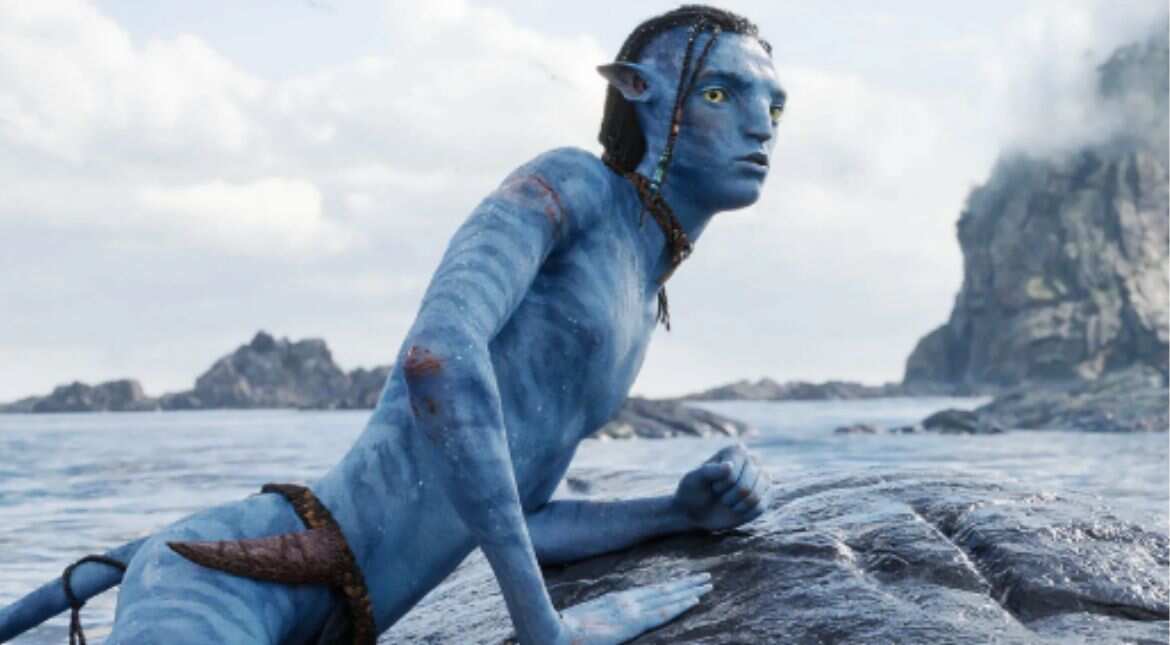
We’re seeing projects excel today that are not at the forefront of technology but have powerful storytelling. Like my projects, Dahmer and Home Economics, they follow traditional techniques but still deliver really powerful, relatable stories. But we also have new projects like Avatar: The Way of Water and you see how their experimentation and development of new technologies have really delivered and engaged audiences.
WION: What can you tell us about your ongoing and upcoming projects?
Rhea: My film We Were Meant To just premiered at the Sundance Film Festival, where it was nominated for a Grand Jury Award. We will be continuing the festival run! There’s also Unprisoned that launched on March 10. It’s a family dramedy that explores life after prison and what that puts a family through. I’m currently working on a new OTT project in India, which I’m very excited about!
Apart from Netflix’s Dahmer – Monster: The Jeffrey Dahmer Story, We Were Meant To, Rhea Solankialso worked on Amina which had its world premiere at the coveted Tribeca Film Festival.

