The PCOS puzzle: Decoding genetic and lifestyle factors

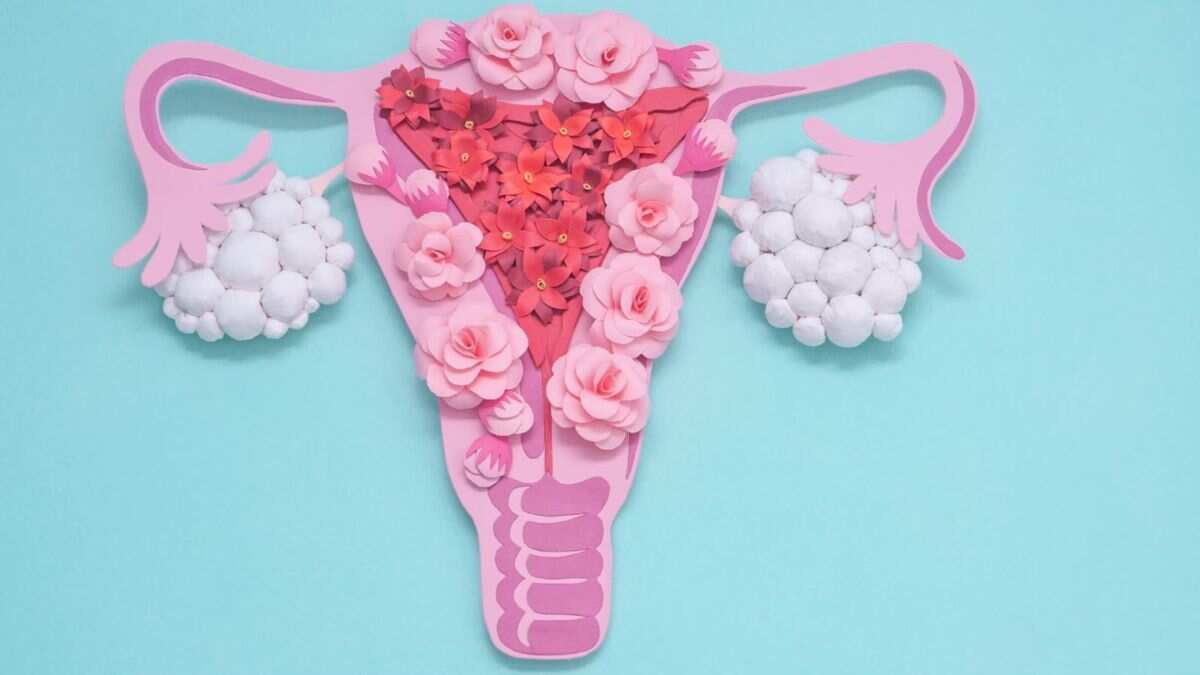
Polycystic Ovary Syndrome (PCOS) is primarily driven by hormonal imbalances, giving rise to distinctive clinical features such as weight gain, obesity, irregular menstrual cycles, and infertility. It significantly affects a substantial portion of the global female population and ranks as a leading cause of female infertility.
Among women of reproductive age, PCOS stands out as the most prevalent endocrine disorder, impacting approximately 8 per centto 13 per cent of this demographic. Its pathophysiology is intricate, involving multiple genetic factors. Consequently, a single genetic diagnostic test falls short in identifying its precise cause.
PCOS is better characterised as a polygenic disorder since it involves several genes, and its genetic susceptibility varies even among members of the same family. Genetics indeed contribute significantly, accounting for around 72 per centof PCOS cases.
However, the revelation of intrauterine programming, marked by an overwhelming surge of androgen exposure to the foetus during pregnancy and an inadequate supply of foetal nutrition, which in turn diminishes foetal insulin secretion and triggers the methylation of specific genes, all have surfaced as pivotal genetic factors amplifying the prevalence of PCOS in women.
Genetic factors, thus, undeniably play a pivotal role in the occurrence of PCOS. In these circumstances, it is imperative to bring about modifications in lifestyle in order to effectively manage the condition.
Managing PCOS through Lifestyle Changes
To effectively manage PCOS, transitioning to lifestyle modifications is fundamental.
Making Dietary Adjustments: Managing PCOS can be difficult. However, to deal with the hormone imbalance in one's body, it is recommended to increase the daily fibre intake to about 21-25 grams. This is because foods rich in fibre help the body slow down digestion and reduce the effect of sugar on the blood to combat insulin resistance. Therefore, incorporating fibre-rich foods in yourdiet like beans, lentils, vegetables, and chia seeds is a good choice.
Incorporating Anti-Inflammatory Foods: PCOS is an endocrine disorder that is closely associated with inflammation. The inclusion of tomatoes, green vegetables, fatty fish, and fruits like oranges, cherries, blueberries, and strawberries in the diet can help reduce insulin levels and maintain them.
Moderating Dairy Intake: Excess consumption of dairy products often leads to an increased risk of ovarian infertility and acne, both of which are by-products of PCOS. Hence, moderating their consumption is recommended.
Exercising Regularly: Those suffering from or at high riskofPCOS are more susceptible to depression, due to hormone imbalance issues. Hence, it is recommended to engage in at least 60 minutes of exercise five days a week. These exercises can include gym workouts and/or yoga sessions. Theyhelp in the release of endorphins, which help in reducing stress and improving one's mood.
(With inputs fromDr Minal Bhadrige, Consultant, Obstetrics and Gynecology, Surya Mother and Child Super Speciality Hospital Pune)
WATCH WION LIVE HERE
You can now write for wionews.com and be a part of the community. Share your stories and opinions with us here.