Tanzanian writer Abdulrazak Gurnah conferred Nobel Prize for Literature 2021

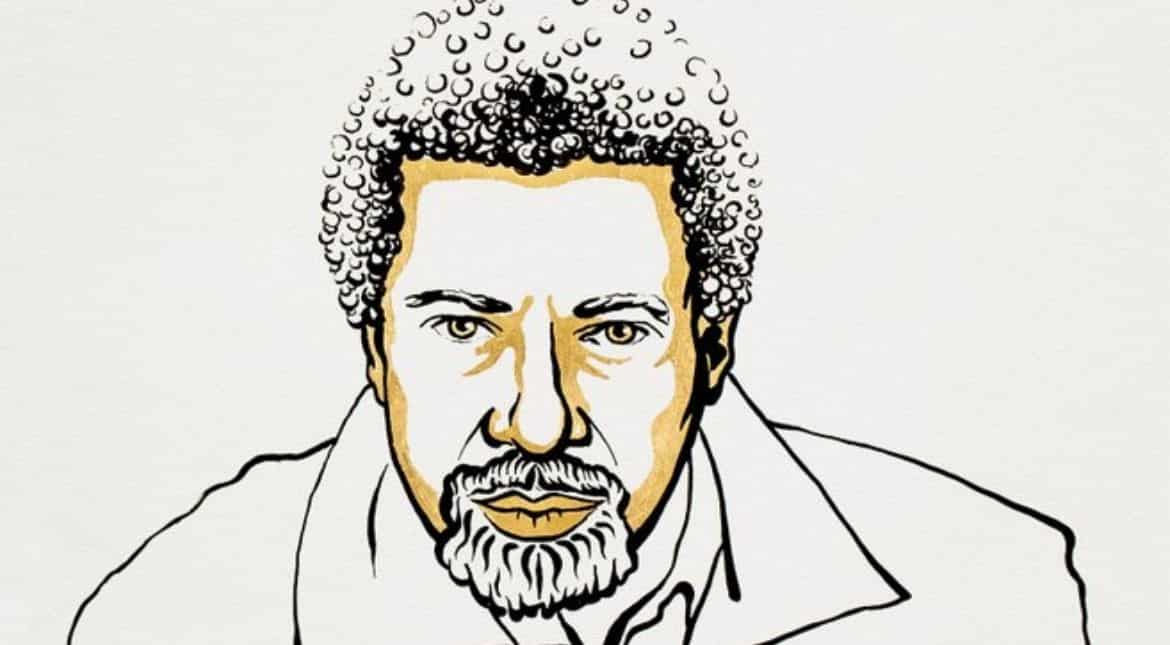
Tanzanian writer Abdulrazak Gurnah
Born in Tanzania and based in UK, author Abdulrazak Gurnah was conferred the Nobel Prize in Literature for 2021 on Thursday. His writings mainly deal with the physical and mental disruptions faced by refugees.
Announcing the award - the first to a non-European writer since Japan-born Kazuo Ishiguro in 2017 - the Swedish Academy cited his "uncompromising and compassionate penetration of the effects of colonialism and the fate of the refugee in the gulf between cultures and continents".
Born in 1948 in Zanzibar, Gurnah reached the UK as a refugee at the end of the 1960s. After his PhD in 1982, he began his academic career with teaching at a Nigerian university and is currently a Professor and Director of Graduate studies at the UK`s University of Kent.
Also read:US scientists David Julius, Ardem Patapoutian win Nobel prize in medicine for research about temperature and touch
His focus is on postcolonial writing and in colonial discourse, especiallyon Africa, the Caribbean and India.
Beginning with 'Memory of Departure' (1987), his 10 novels include the Booker and Whitbread-nominated 'Paradise' (1994), with the most recent being 'Afterlives' (2020).
He has also a collection of short-stories titled 'My Mother Lived on a Farm in Africa' (2006) to his credit.
The prize is awarded by the Swedish Academy and is worth 10 million Swedish crowns ($1.14 million).
The prizes, for achievements in science, literature and peace, were created through a bequest in the will of Swedish dynamite inventor and wealthy businessman Alfred Nobel. They have been awarded since 1901, with the final prize in the line-up - economics - a later addition.

Read:Syukuro Manabe, Klaus Hasselmann and Giorgio Parisi win 2021 Nobel Prize in Physics
Past literature winners have primarily been novelists such as Ernest Hemingway, Gabriel Garcia Marquez and Toni Morrison, poets such as Pablo Neruda, Joseph Brodsky and Rabindranath Tagore, or playwrights such as Harold Pinter and Eugene O`Neill.

